

What is eucalyptus in skincare?
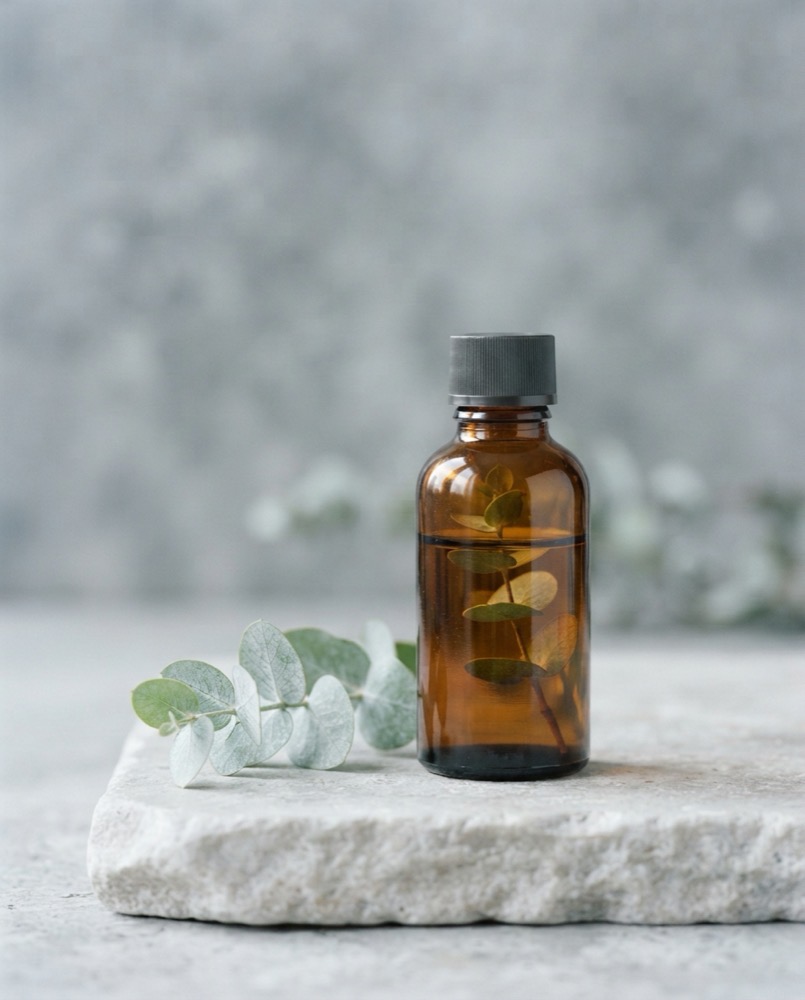
Eucalyptus oil is distilled from the leaves of eucalyptus trees, most commonly Eucalyptus globulus. Its dominant constituent is 1,8-cineole, also called eucalyptol, which produces both its sharp camphoraceous scent and its antimicrobial effect.
It is far better known in respiratory products than in skincare, and where it does appear in topicals it is usually at low concentrations for scent and a cooling sensation. Its antimicrobial and anti-inflammatory activity is documented but it is a potent essential oil.
What skin concerns does eucalyptus treat?
Its antiseptic properties make it useful in products for minor cuts, grazes and insect bites, and it appears in some formulations for cold sores, athlete’s foot and body acne.
For facial skincare the picture is less favourable. Eucalyptus is highly volatile and a recognised sensitiser, it can trigger rosacea flares, and near the eyes it causes stinging and irritation. It should never be used undiluted or ingested.
What ingredients are best paired with eucalyptus?
If used, dilute it heavily in a carrier oil such as olive, jojoba or sweet almond, and keep it to body applications rather than the face.
For the facial concerns eucalyptus is sometimes reached for – congestion, acne, inflammation – salicylic acid, niacinamide, azelaic acid and tea tree oil are better supported and far less likely to irritate. Patch test before any use. Take our Skin Quiz.
What are wrinkles?
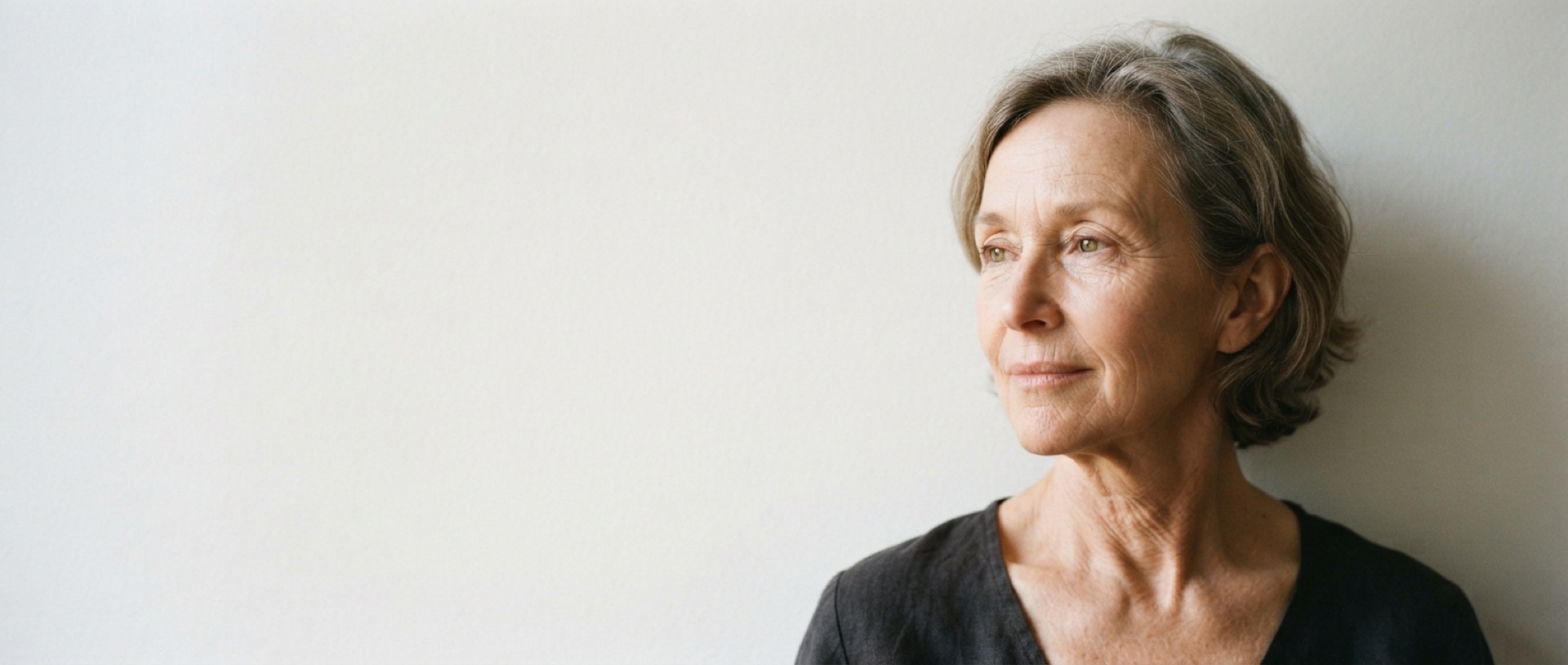
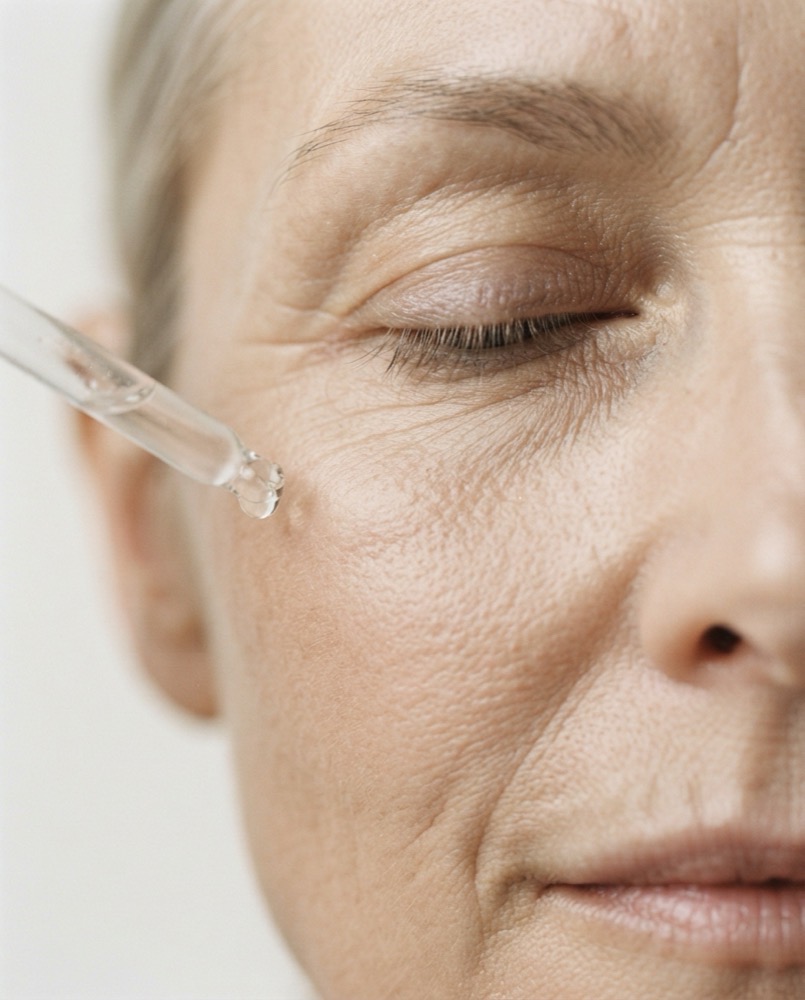
Wrinkles are permanent folds and creases in the skin. They begin as dynamic lines that appear only with expression, then set into static lines visible at rest once the underlying support structure can no longer push them back out.
They form first where skin is thin and movement is constant: crow’s feet, forehead lines, frown lines between the brows, and nasolabial folds. Deeper folds also reflect loss of fat and bone volume, not just skin change.
What causes wrinkles?
Internally, collagen and elastin production declines steadily from the mid-twenties and the dermal matrix thins, so skin loses the scaffolding that keeps it smooth.
Externally, ultraviolet radiation does most of the damage – it activates enzymes that break down collagen and degrades elastic fibres. Smoking, pollution, sugar-driven glycation, poor sleep, sleeping position and repeated facial movement all accelerate the process.
What ingredients are best for wrinkles?
Retinoids have the deepest evidence base for stimulating collagen and measurably reducing wrinkle depth over six to twelve months. Vitamin C supports synthesis while neutralising the free radicals that break it down, and peptides signal repair.
Round it out with hyaluronic acid and ceramides for hydration and barrier strength, niacinamide for elasticity and tone, and AHAs for surface renewal. Daily broad-spectrum SPF is the most effective anti-wrinkle product there is. Take our Skin Quiz.