

What is eucalyptus in skincare?
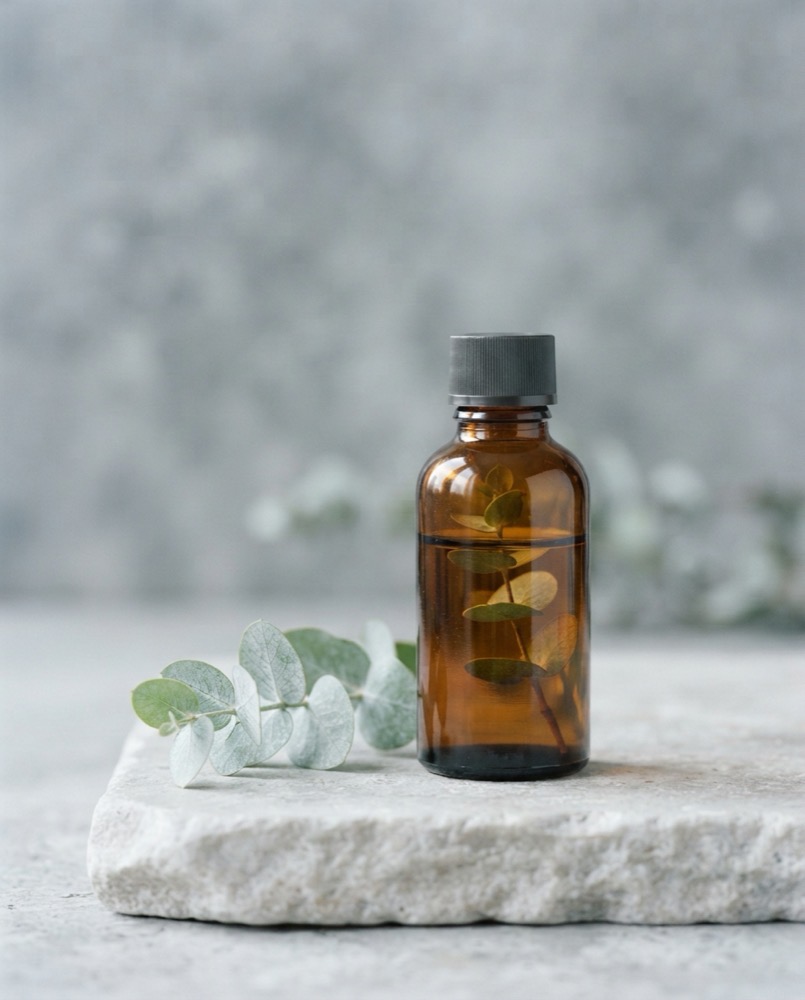
Eucalyptus oil is distilled from the leaves of eucalyptus trees, most commonly Eucalyptus globulus. Its dominant constituent is 1,8-cineole, also called eucalyptol, which produces both its sharp camphoraceous scent and its antimicrobial effect.
It is far better known in respiratory products than in skincare, and where it does appear in topicals it is usually at low concentrations for scent and a cooling sensation. Its antimicrobial and anti-inflammatory activity is documented but it is a potent essential oil.
What skin concerns does eucalyptus treat?
Its antiseptic properties make it useful in products for minor cuts, grazes and insect bites, and it appears in some formulations for cold sores, athlete’s foot and body acne.
For facial skincare the picture is less favourable. Eucalyptus is highly volatile and a recognised sensitiser, it can trigger rosacea flares, and near the eyes it causes stinging and irritation. It should never be used undiluted or ingested.
What ingredients are best paired with eucalyptus?
If used, dilute it heavily in a carrier oil such as olive, jojoba or sweet almond, and keep it to body applications rather than the face.
For the facial concerns eucalyptus is sometimes reached for – congestion, acne, inflammation – salicylic acid, niacinamide, azelaic acid and tea tree oil are better supported and far less likely to irritate. Patch test before any use. Take our Skin Quiz.
What are dark spots?
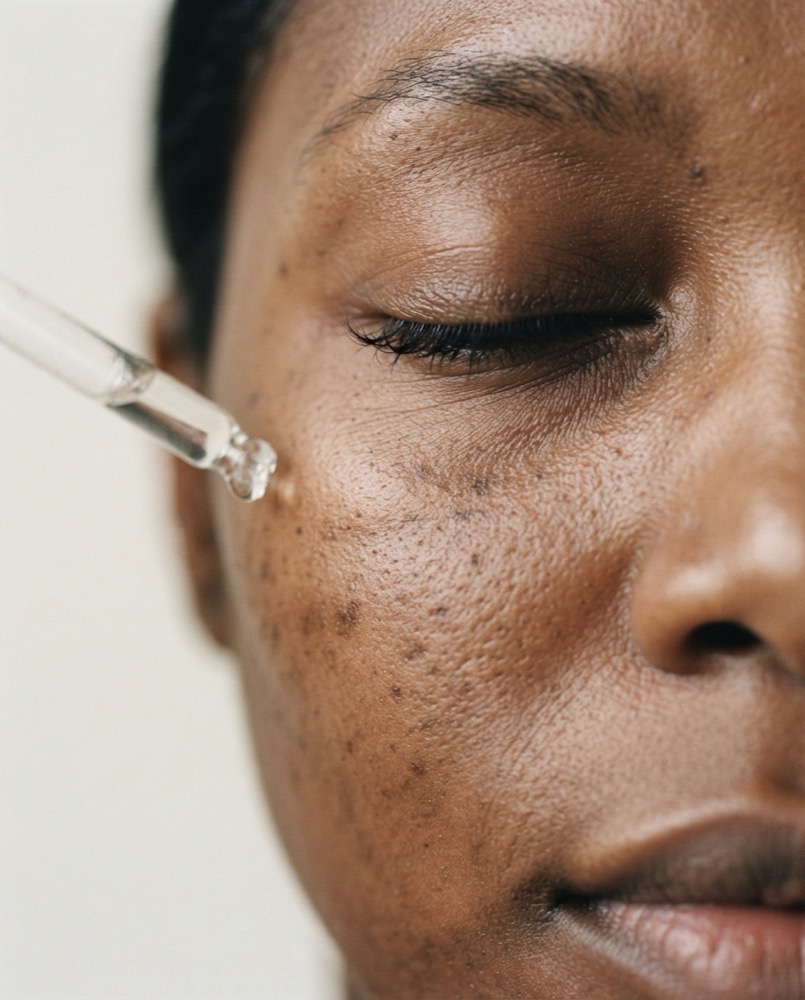
Dark spots are localised patches where the skin has produced more melanin than the surrounding area. The umbrella term covers sun spots, post-acne marks, melasma patches and freckles – different causes, same visible result.
They are flat rather than raised, vary from light tan to deep brown, and are most noticeable on the face, hands and chest. In deeper skin tones they tend to be darker and to last considerably longer.
What causes dark spots?
Two mechanisms dominate. Ultraviolet exposure triggers protective melanin production, and inflammation – from acne, ingrown hairs, eczema, friction, burns or harsh treatments – leaves post-inflammatory hyperpigmentation behind as it heals.
Hormonal change, some medications and heat add to it. Picking at spots is one of the most avoidable causes: the extra inflammation reliably makes the mark darker and longer-lived than the original blemish.
What ingredients are best for dark spots?
Vitamin C, niacinamide and azelaic acid are the everyday workhorses. For stubborn pigment, alpha arbutin, tranexamic acid, kojic acid and liquorice root extract interrupt melanin production directly.
Retinoids and gentle AHAs clear pigmented cells faster from the surface. Give any routine twelve weeks before judging it, and wear broad-spectrum SPF daily or the spots will simply redarken. Take our Skin Quiz.