What is elastin in skincare?
Elastin is the dermal protein that lets skin stretch and snap back. It makes up a small fraction of dermal protein compared with collagen, but it does all the recoil – collagen provides strength, elastin provides spring.
The body essentially stops producing meaningful new elastin after adolescence, and existing fibres are progressively broken down by UV exposure in the process known as solar elastosis. That is why lost elasticity is harder to reverse than lost collagen.
What skin concerns does elastin treat?
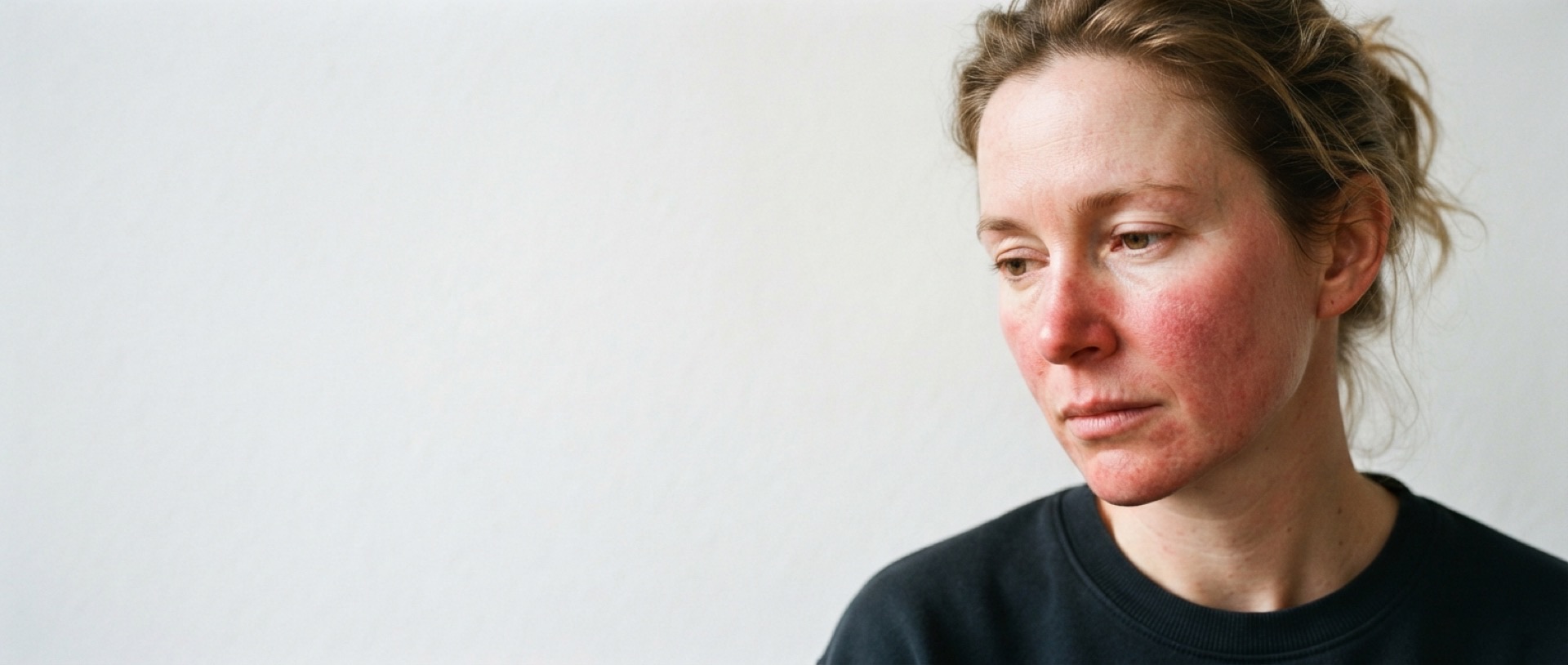
Loss of elastin shows up as sagging, crepiness, skin that stays tented when pinched, and the loose texture around the jaw, neck and under-eyes.
Topical elastin cannot replace what has degraded – the molecule is far too large to reach the dermis – so in creams it acts as a humectant and film-former that smooths the surface. Oral elastin peptides have more support: a randomised placebo-controlled trial of fish-derived elastin peptide found improvements in biophysical properties of ageing skin.
What ingredients are best paired with elastin?
The practical route to elasticity is protecting and stimulating your own fibres. Retinoids and peptides signal fibroblasts to rebuild, vitamin C protects existing fibres from enzymatic breakdown, and daily broad-spectrum SPF prevents further elastosis.
Alongside those, hyaluronic acid, ceramides and squalane keep the skin hydrated and supple, which improves how elastic it looks day to day. Take our Skin Quiz.
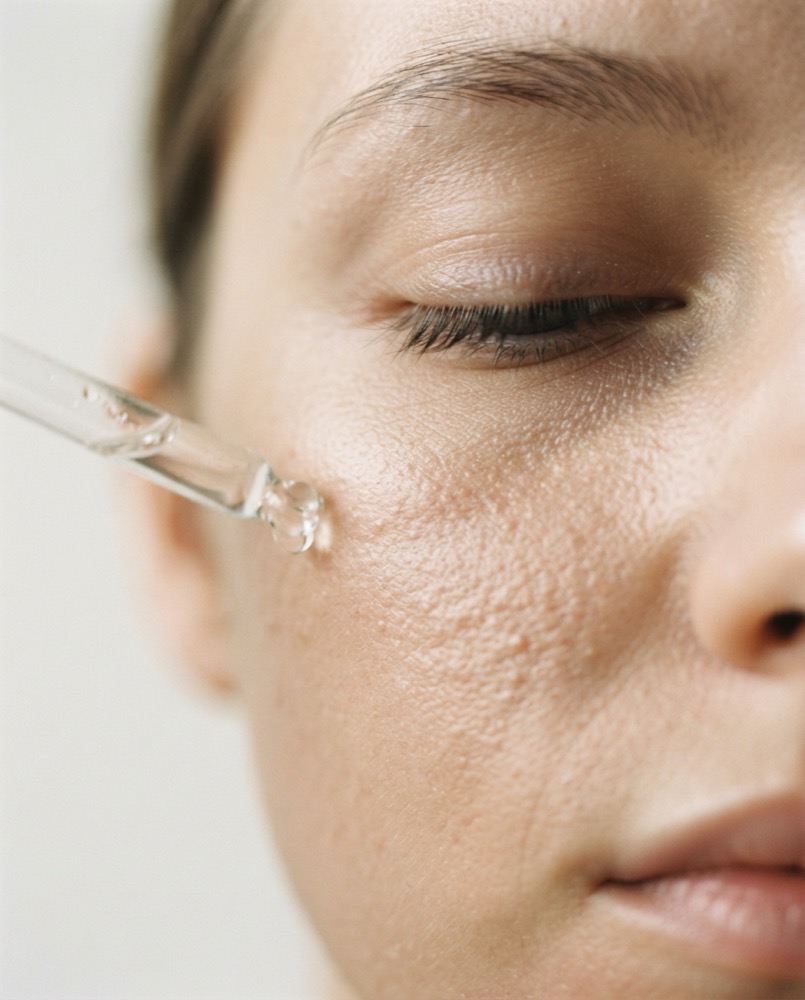
What is bumpy skin?
Bumpy skin is a texture problem rather than a single condition. It covers the rough, uneven surface you can feel more than see – most often keratosis pilaris (small hard bumps on the upper arms, thighs and cheeks), closed comedones, milia, or simple build-up of dead cells on the surface.
Keratosis pilaris in particular affects a large share of the population and is harmless, but it makes skin feel like sandpaper and can be stubborn to smooth out.
What causes bumpy skin?
Most bumpy texture comes from keratin plugging the follicle. When dead cells fail to shed cleanly, they collect at the pore opening and form a firm bump – a process closely linked to a weakened permeability barrier and low skin hydration.
Genetics, dry skin, cold weather, eczema and a history of over-scrubbing all make it worse. Aggressive physical exfoliation tends to backfire, inflaming the follicle and thickening the plug.
What ingredients are best for bumpy skin?
Chemical exfoliation works far better than scrubbing. Salicylic acid clears inside the follicle, lactic and glycolic acid loosen surface build-up, and urea both exfoliates and hydrates.
Retinoids normalise how skin sheds over time, while ceramides, niacinamide and hyaluronic acid keep the barrier strong so the plugs stop reforming. Consistency matters more than strength here. Take our Skin Quiz to work out which exfoliant your skin can tolerate.