

What is coffee in skincare?
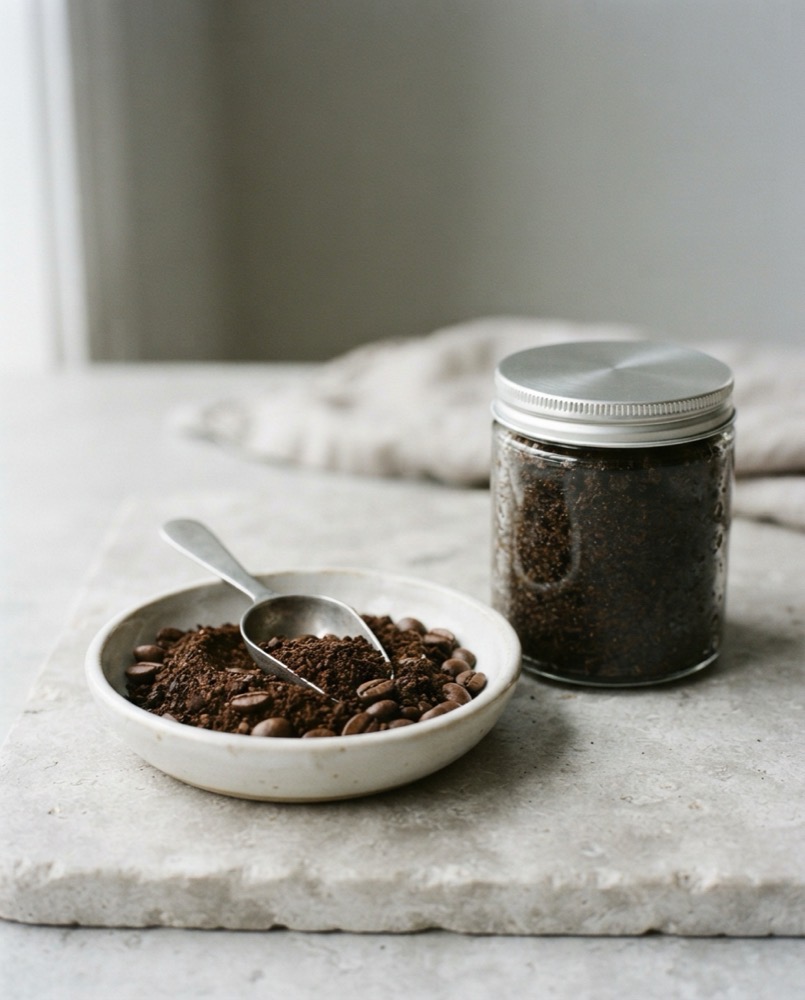
Coffee reaches skincare in two forms: ground coffee beans used as a physical exfoliant, and caffeine or green coffee extract used as an active. The two work quite differently.
The grounds provide abrasion; the active fraction provides antioxidant and vasoconstrictive effects. Coffee is also rich in chlorogenic acid, a polyphenol with anti-inflammatory and free-radical scavenging activity.
What skin concerns does coffee treat?
As an active, caffeine reduces puffiness and the appearance of under-eye darkness by constricting small blood vessels, and it is used in body products to temporarily smooth cellulite. Its antioxidants help defend against photo-damage.
As a scrub, ground coffee lifts dead cells and improves texture on the body. On the face the particles are too coarse and irregular for most people – they create micro-tears that inflame skin and worsen the texture they were meant to fix.
What ingredients are best paired with coffee?
For the eye area, pair caffeine with peptides, niacinamide and hyaluronic acid – dehydrated under-eyes look darker no matter what the circulation is doing.
For body scrubs, coffee grounds are usually blended with sugar and an oil such as coconut or almond to soften the abrasion. On the face, use a chemical exfoliant – lactic or salicylic acid – instead. Take our Skin Quiz.
What are wrinkles?
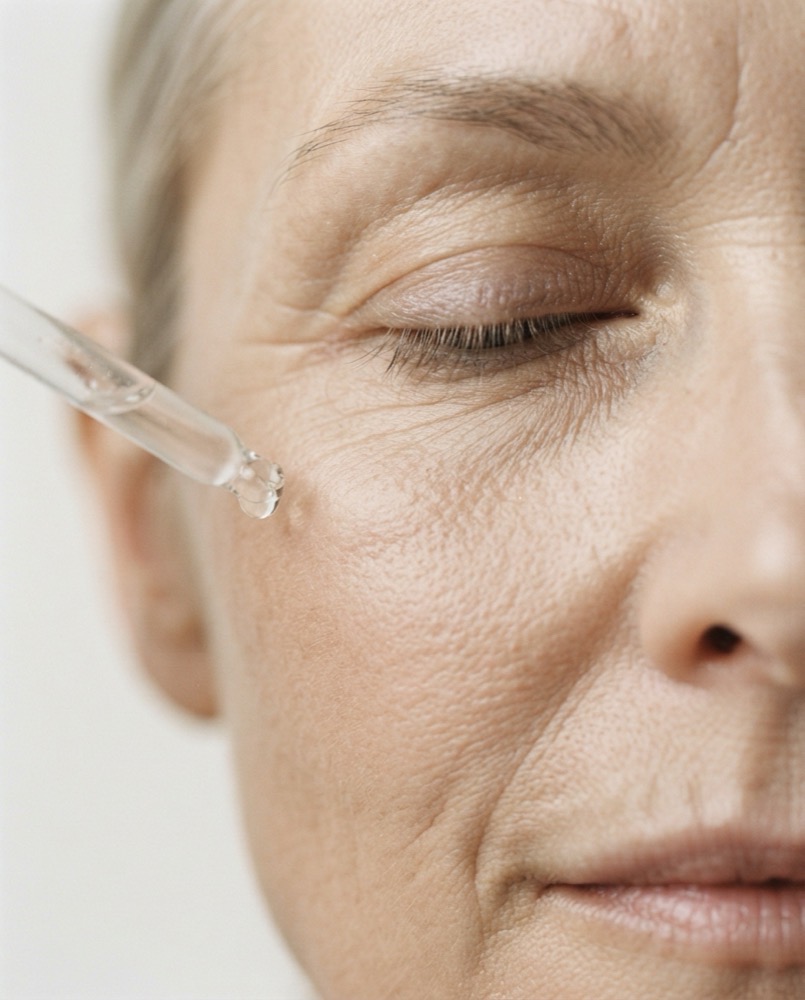
Wrinkles are permanent folds and creases in the skin. They begin as dynamic lines that appear only with expression, then set into static lines visible at rest once the underlying support structure can no longer push them back out.
They form first where skin is thin and movement is constant: crow’s feet, forehead lines, frown lines between the brows, and nasolabial folds. Deeper folds also reflect loss of fat and bone volume, not just skin change.
What causes wrinkles?
Internally, collagen and elastin production declines steadily from the mid-twenties and the dermal matrix thins, so skin loses the scaffolding that keeps it smooth.
Externally, ultraviolet radiation does most of the damage – it activates enzymes that break down collagen and degrades elastic fibres. Smoking, pollution, sugar-driven glycation, poor sleep, sleeping position and repeated facial movement all accelerate the process.
What ingredients are best for wrinkles?
Retinoids have the deepest evidence base for stimulating collagen and measurably reducing wrinkle depth over six to twelve months. Vitamin C supports synthesis while neutralising the free radicals that break it down, and peptides signal repair.
Round it out with hyaluronic acid and ceramides for hydration and barrier strength, niacinamide for elasticity and tone, and AHAs for surface renewal. Daily broad-spectrum SPF is the most effective anti-wrinkle product there is. Take our Skin Quiz.