What is coffee in skincare?
Coffee reaches skincare in two forms: ground coffee beans used as a physical exfoliant, and caffeine or green coffee extract used as an active. The two work quite differently.
The grounds provide abrasion; the active fraction provides antioxidant and vasoconstrictive effects. Coffee is also rich in chlorogenic acid, a polyphenol with anti-inflammatory and free-radical scavenging activity.
What skin concerns does coffee treat?
As an active, caffeine reduces puffiness and the appearance of under-eye darkness by constricting small blood vessels, and it is used in body products to temporarily smooth cellulite. Its antioxidants help defend against photo-damage.
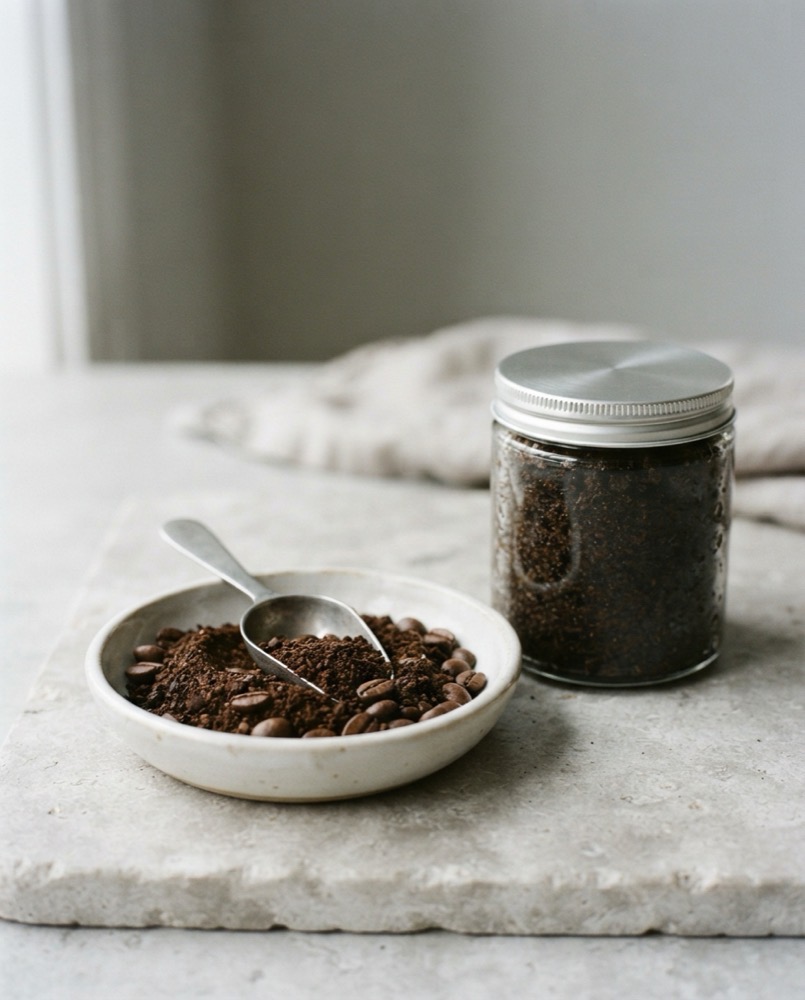
As a scrub, ground coffee lifts dead cells and improves texture on the body. On the face the particles are too coarse and irregular for most people – they create micro-tears that inflame skin and worsen the texture they were meant to fix.
What ingredients are best paired with coffee?
For the eye area, pair caffeine with peptides, niacinamide and hyaluronic acid – dehydrated under-eyes look darker no matter what the circulation is doing.
For body scrubs, coffee grounds are usually blended with sugar and an oil such as coconut or almond to soften the abrasion. On the face, use a chemical exfoliant – lactic or salicylic acid – instead. Take our Skin Quiz.
What is bumpy skin?
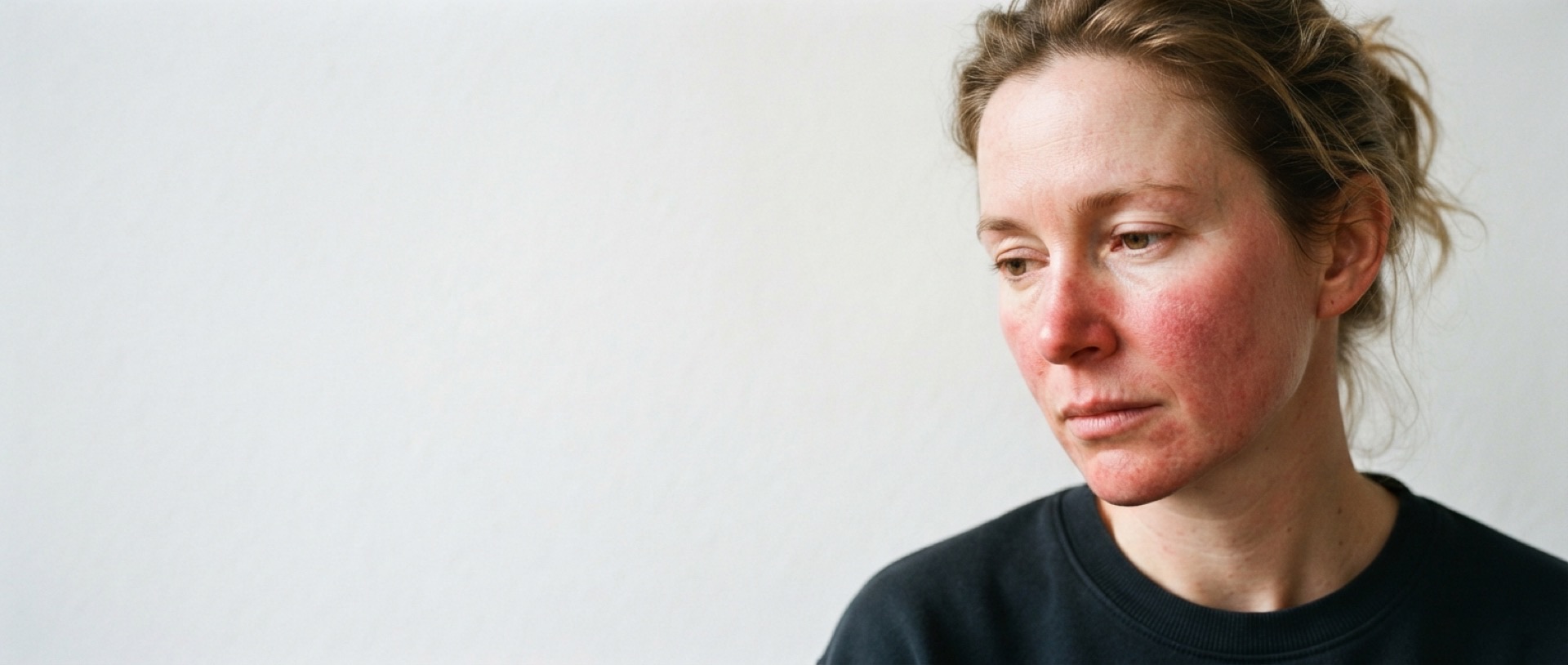
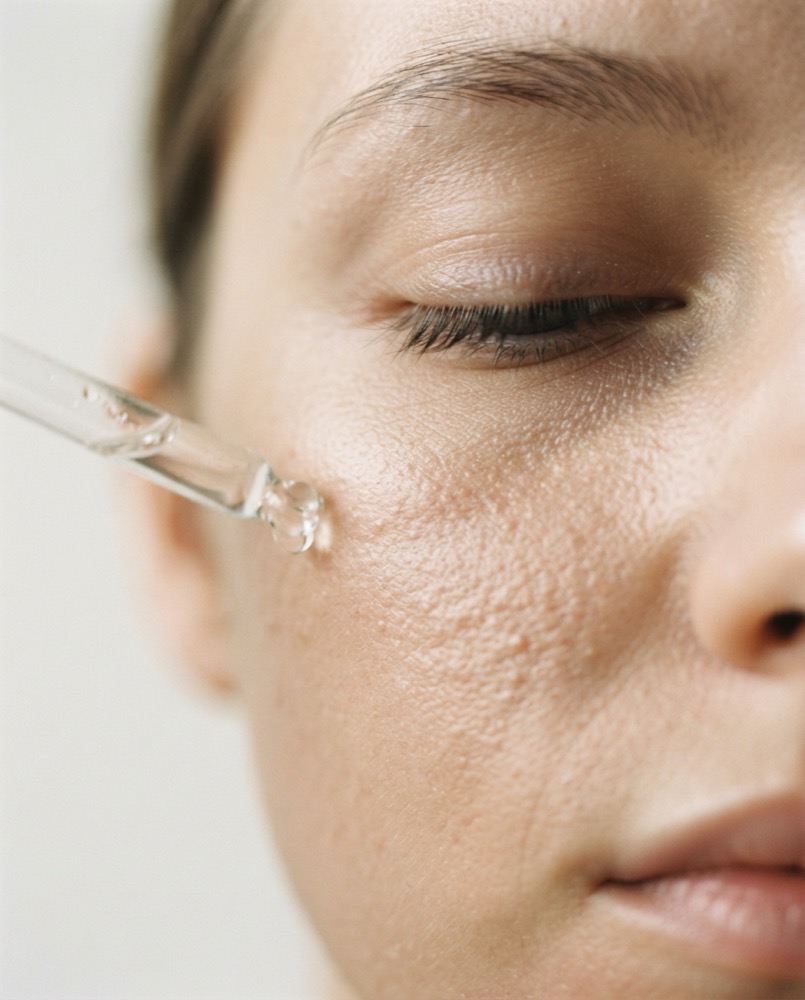
Bumpy skin is a texture problem rather than a single condition. It covers the rough, uneven surface you can feel more than see – most often keratosis pilaris (small hard bumps on the upper arms, thighs and cheeks), closed comedones, milia, or simple build-up of dead cells on the surface.
Keratosis pilaris in particular affects a large share of the population and is harmless, but it makes skin feel like sandpaper and can be stubborn to smooth out.
What causes bumpy skin?
Most bumpy texture comes from keratin plugging the follicle. When dead cells fail to shed cleanly, they collect at the pore opening and form a firm bump – a process closely linked to a weakened permeability barrier and low skin hydration.
Genetics, dry skin, cold weather, eczema and a history of over-scrubbing all make it worse. Aggressive physical exfoliation tends to backfire, inflaming the follicle and thickening the plug.
What ingredients are best for bumpy skin?
Chemical exfoliation works far better than scrubbing. Salicylic acid clears inside the follicle, lactic and glycolic acid loosen surface build-up, and urea both exfoliates and hydrates.
Retinoids normalise how skin sheds over time, while ceramides, niacinamide and hyaluronic acid keep the barrier strong so the plugs stop reforming. Consistency matters more than strength here. Take our Skin Quiz to work out which exfoliant your skin can tolerate.