

What is coconut oil in skincare?
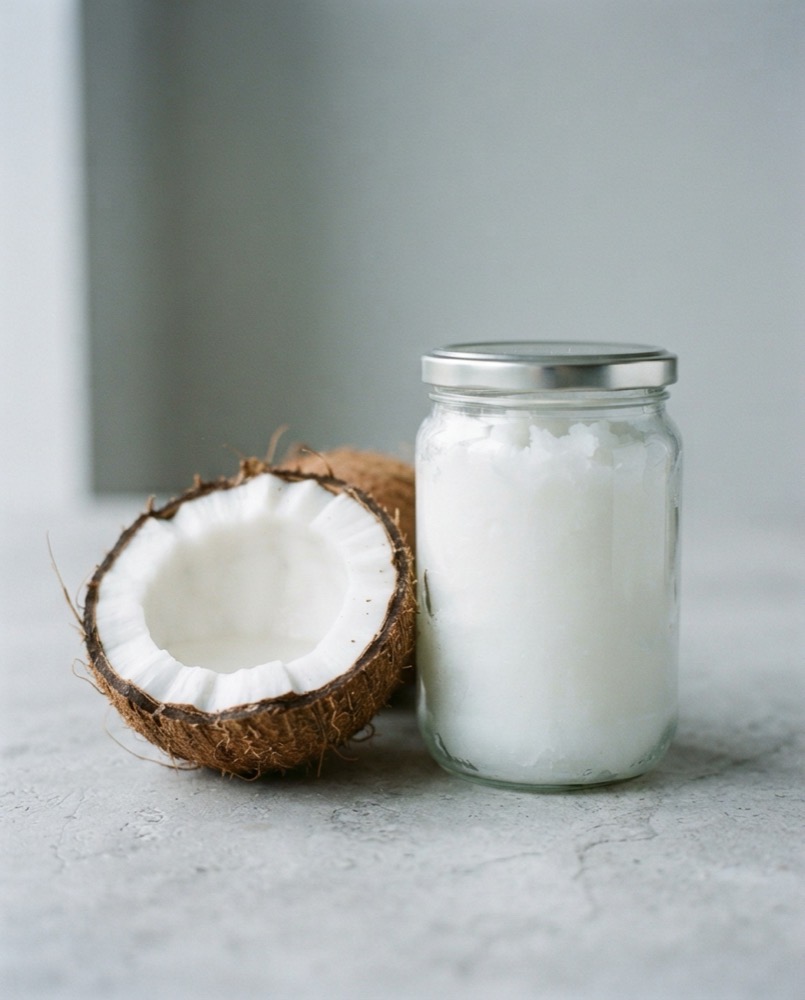
Coconut oil is extracted from the dried flesh of the coconut. It is unusual among plant oils in being mostly saturated fat – around half of it is lauric acid, a medium-chain fatty acid with strong antimicrobial activity.
Virgin coconut oil retains more of its polyphenols than refined. It is solid at room temperature, melts on contact with skin, and is highly occlusive, which is both its main strength and its main problem.
What skin concerns does coconut oil treat?
On dry body skin, hands, feet and cuticles it is an effective occlusive that reduces water loss, and research on plant oils credits it with anti-inflammatory and antibacterial effects, including activity relevant to atopic dermatitis.
On the face it is a different story: coconut oil rates high on the comedogenic scale and reliably causes congestion and breakouts in oily and acne-prone skin. Its lauric acid does inhibit acne bacteria, but the pore-clogging usually outweighs that.
What ingredients are best paired with coconut oil?
Treat it as a body occlusive. Apply it over a humectant such as glycerin or hyaluronic acid on damp skin, or over a ceramide lotion, so it seals rather than sits.
For the face, choose non-comedogenic alternatives: squalane, jojoba, rosehip or grapeseed oil give emollience without the congestion. It is also a good pre-shampoo hair treatment. Take our Skin Quiz.

What is rosacea?
Rosacea is a chronic inflammatory skin condition that affects the central face – cheeks, nose, chin and forehead. It presents as persistent redness, visible broken capillaries, flushing that comes and goes, and in some subtypes acne-like papules and pustules.
Unlike acne, rosacea involves no comedones. It is driven by a combination of vascular hyper-reactivity, neurogenic inflammation and an overactive innate immune response, often with an impaired skin barrier alongside.
What causes rosacea?
There is no single cause. Genetic predisposition, an exaggerated immune response involving cathelicidin, overgrowth of Demodex mites, and dysfunction of the facial blood vessels all appear to contribute.
Flares are triggered by heat, sun exposure, alcohol, spicy food, hot drinks, exercise, stress, wind and cold, and by harsh skincare. Identifying and avoiding your own trigger set does as much as any product.
What ingredients are best for rosacea?
Azelaic acid and niacinamide are the standout actives – both reduce redness and inflammation without provoking the barrier. Sulphur, green tea extract, liquorice root and centella asiatica also calm reactive skin.
Build everything else around barrier repair: ceramides, glycerin, squalane and panthenol, with a gentle non-foaming cleanser and a mineral SPF every day. Avoid alcohol-heavy toners, fragrance, menthol, physical scrubs and high-strength acids. Take our Skin Quiz to build a routine your skin will tolerate.