

What is coconut oil in skincare?
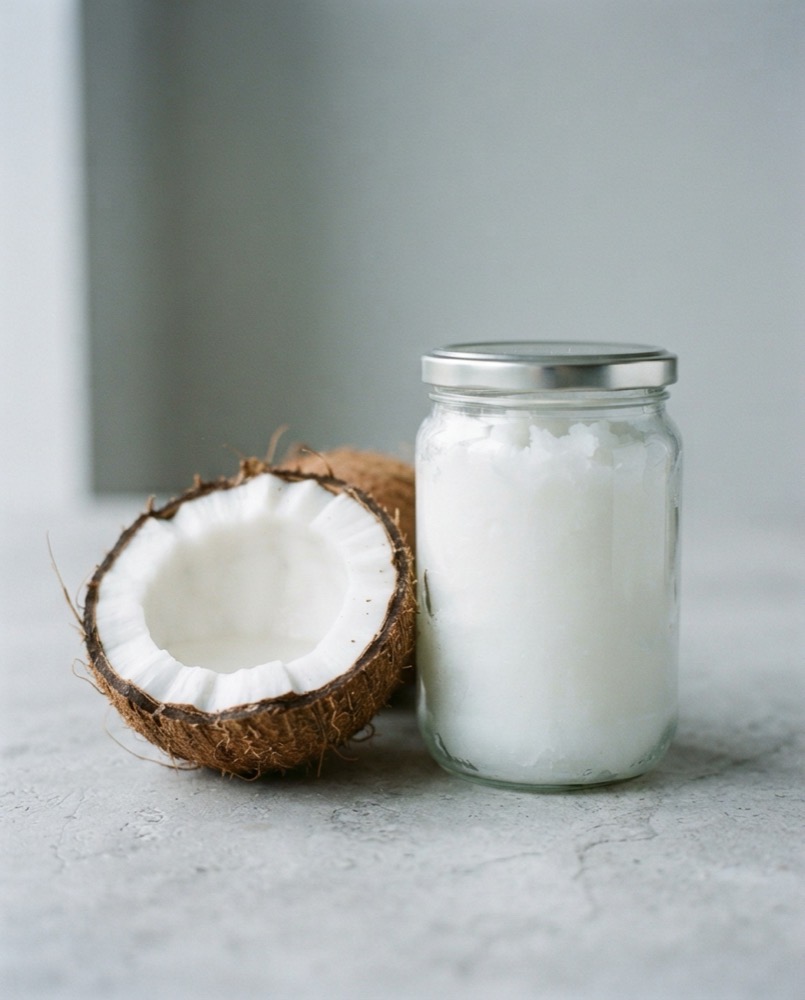
Coconut oil is extracted from the dried flesh of the coconut. It is unusual among plant oils in being mostly saturated fat – around half of it is lauric acid, a medium-chain fatty acid with strong antimicrobial activity.
Virgin coconut oil retains more of its polyphenols than refined. It is solid at room temperature, melts on contact with skin, and is highly occlusive, which is both its main strength and its main problem.
What skin concerns does coconut oil treat?
On dry body skin, hands, feet and cuticles it is an effective occlusive that reduces water loss, and research on plant oils credits it with anti-inflammatory and antibacterial effects, including activity relevant to atopic dermatitis.
On the face it is a different story: coconut oil rates high on the comedogenic scale and reliably causes congestion and breakouts in oily and acne-prone skin. Its lauric acid does inhibit acne bacteria, but the pore-clogging usually outweighs that.
What ingredients are best paired with coconut oil?
Treat it as a body occlusive. Apply it over a humectant such as glycerin or hyaluronic acid on damp skin, or over a ceramide lotion, so it seals rather than sits.
For the face, choose non-comedogenic alternatives: squalane, jojoba, rosehip or grapeseed oil give emollience without the congestion. It is also a good pre-shampoo hair treatment. Take our Skin Quiz.
What is pigmentation?
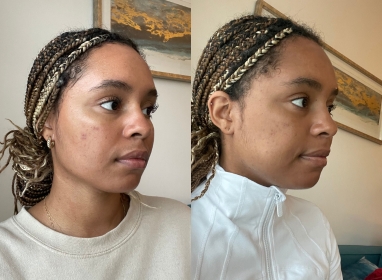
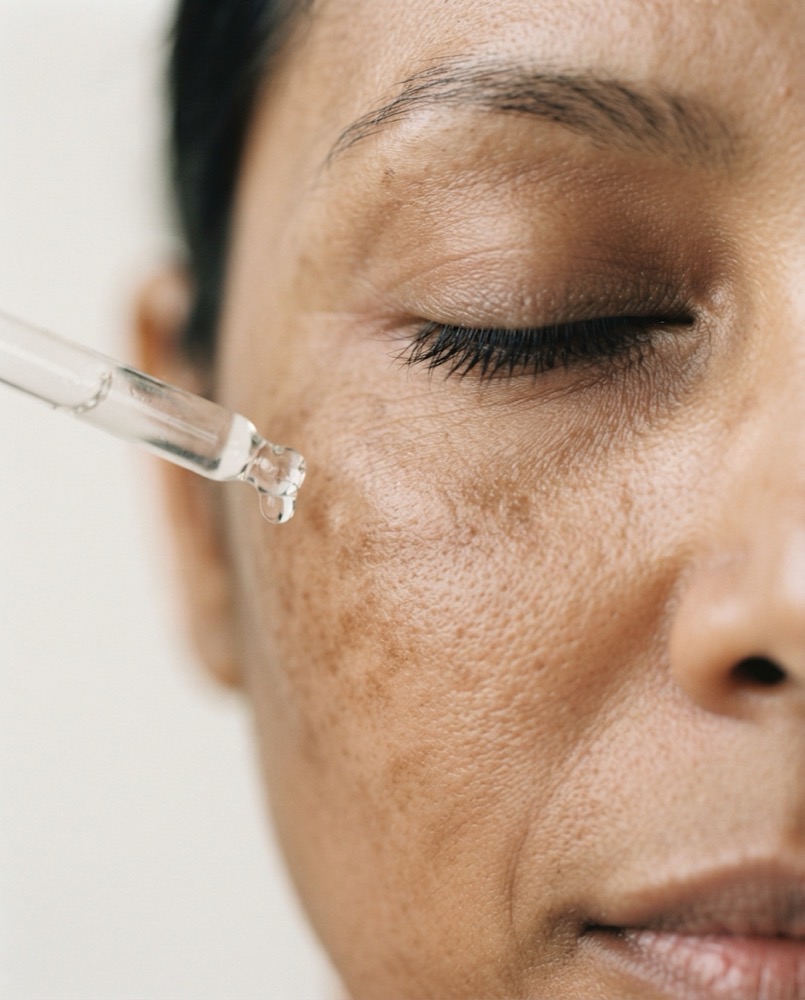
Pigmentation refers to any change in the colour of the skin caused by melanin. Hyperpigmentation – the common form – means patches darker than your natural tone, including sun spots, melasma, freckles and the marks left behind after acne or injury.
Melanin is produced by melanocytes in the lower epidermis and handed to surrounding skin cells. When that process is over-stimulated or unevenly distributed, the result is a visible patch rather than an even tone.
What causes pigmentation?
Ultraviolet exposure is the single largest trigger, because UV directly activates melanin production as a protective response. Inflammation is the second: acne, eczema, friction, waxing, burns or harsh procedures can all leave post-inflammatory hyperpigmentation, which is more common and longer-lasting in deeper skin tones.
Hormonal change, certain medications, heat and genetics complete the picture. Without daily sun protection, treated pigment reliably returns.
What ingredients are best for pigmentation?
The most effective topicals work at different points of melanin production: vitamin C and niacinamide, azelaic acid, tranexamic acid, alpha arbutin, kojic acid and liquorice root extract.
Retinoids and gentle AHAs speed up turnover so pigmented cells clear faster. But broad-spectrum SPF worn daily is the ingredient that decides whether any of it holds – without it, results reverse within weeks. Take our Skin Quiz.