What is coconut oil in skincare?
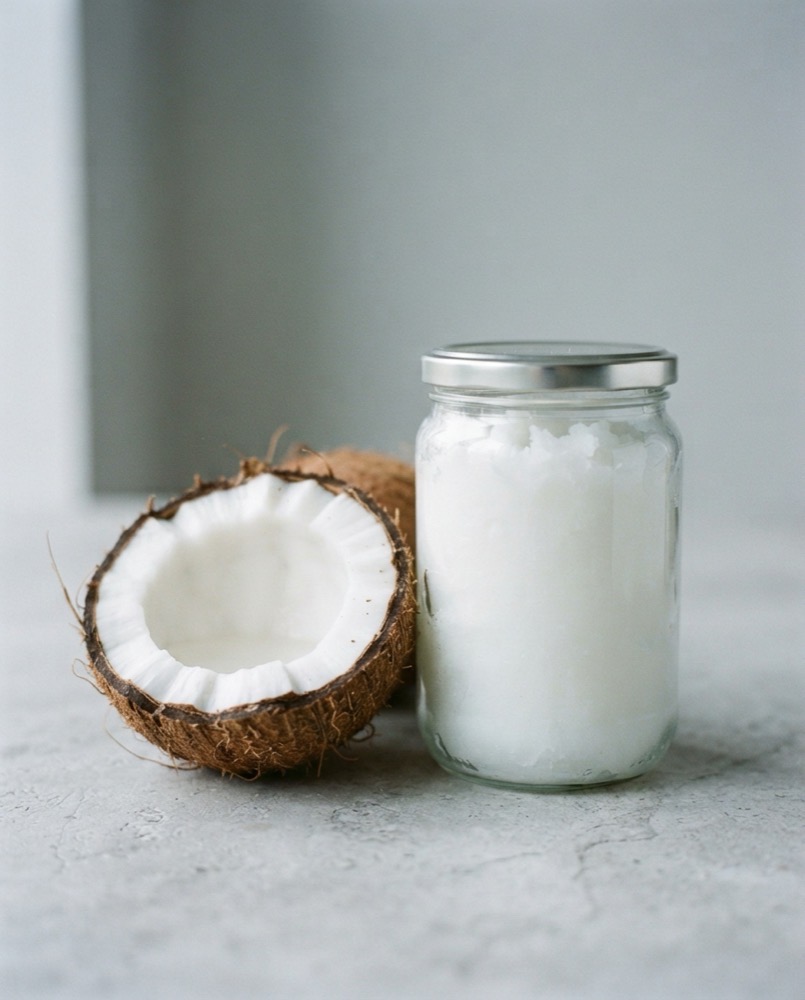
Coconut oil is extracted from the dried flesh of the coconut. It is unusual among plant oils in being mostly saturated fat – around half of it is lauric acid, a medium-chain fatty acid with strong antimicrobial activity.
Virgin coconut oil retains more of its polyphenols than refined. It is solid at room temperature, melts on contact with skin, and is highly occlusive, which is both its main strength and its main problem.
What skin concerns does coconut oil treat?
On dry body skin, hands, feet and cuticles it is an effective occlusive that reduces water loss, and research on plant oils credits it with anti-inflammatory and antibacterial effects, including activity relevant to atopic dermatitis.
On the face it is a different story: coconut oil rates high on the comedogenic scale and reliably causes congestion and breakouts in oily and acne-prone skin. Its lauric acid does inhibit acne bacteria, but the pore-clogging usually outweighs that.
What ingredients are best paired with coconut oil?
Treat it as a body occlusive. Apply it over a humectant such as glycerin or hyaluronic acid on damp skin, or over a ceramide lotion, so it seals rather than sits.
For the face, choose non-comedogenic alternatives: squalane, jojoba, rosehip or grapeseed oil give emollience without the congestion. It is also a good pre-shampoo hair treatment. Take our Skin Quiz.
What is bumpy skin?
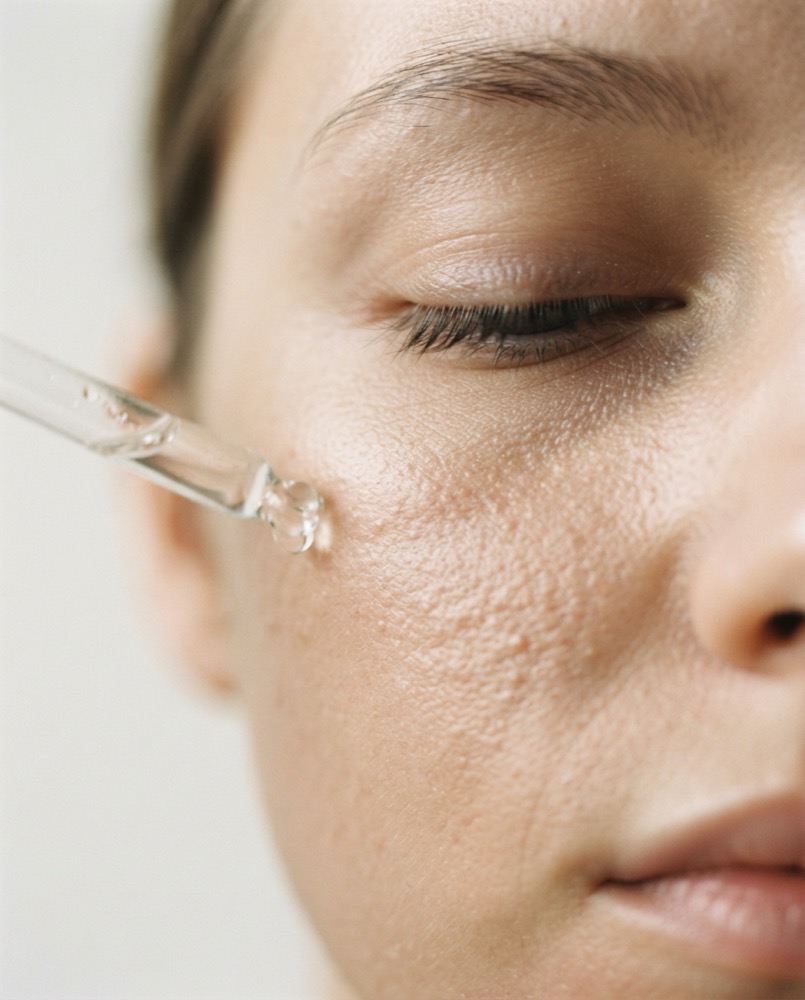
Bumpy skin is a texture problem rather than a single condition. It covers the rough, uneven surface you can feel more than see – most often keratosis pilaris (small hard bumps on the upper arms, thighs and cheeks), closed comedones, milia, or simple build-up of dead cells on the surface.
Keratosis pilaris in particular affects a large share of the population and is harmless, but it makes skin feel like sandpaper and can be stubborn to smooth out.
What causes bumpy skin?
Most bumpy texture comes from keratin plugging the follicle. When dead cells fail to shed cleanly, they collect at the pore opening and form a firm bump – a process closely linked to a weakened permeability barrier and low skin hydration.
Genetics, dry skin, cold weather, eczema and a history of over-scrubbing all make it worse. Aggressive physical exfoliation tends to backfire, inflaming the follicle and thickening the plug.
What ingredients are best for bumpy skin?
Chemical exfoliation works far better than scrubbing. Salicylic acid clears inside the follicle, lactic and glycolic acid loosen surface build-up, and urea both exfoliates and hydrates.
Retinoids normalise how skin sheds over time, while ceramides, niacinamide and hyaluronic acid keep the barrier strong so the plugs stop reforming. Consistency matters more than strength here. Take our Skin Quiz to work out which exfoliant your skin can tolerate.