What is clay in skincare?
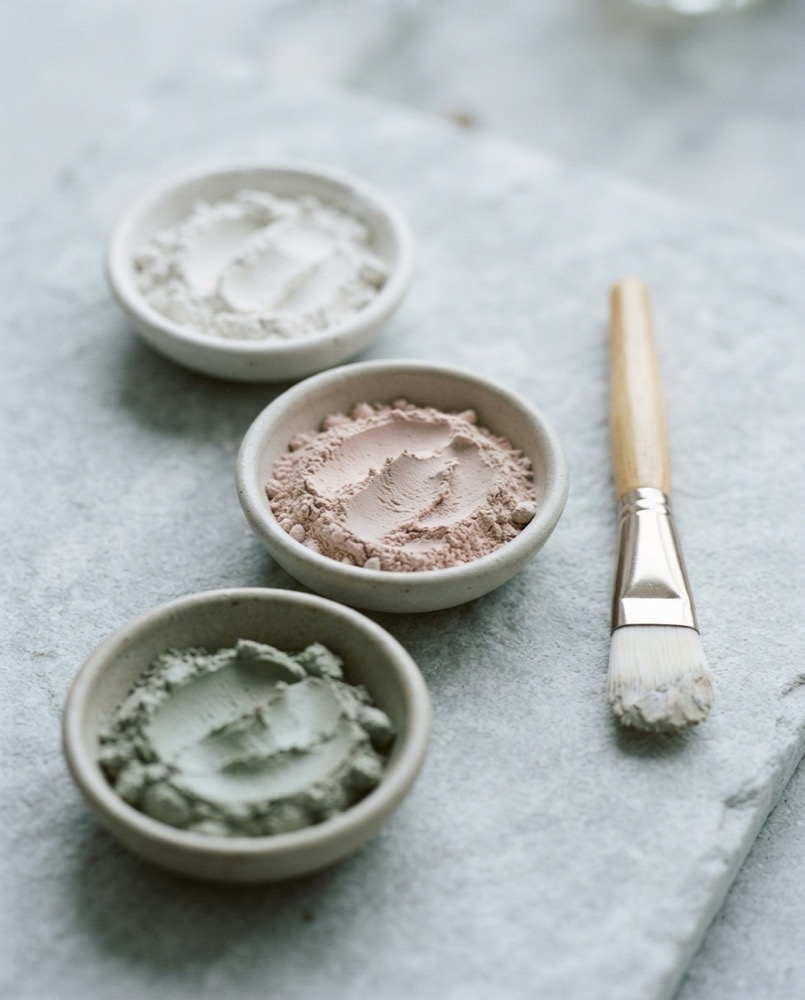
Clay in skincare means fine-grained mineral powders formed from weathered rock – kaolin, bentonite, montmorillonite, French green clay, rhassoul and fuller’s earth are the common ones. Each has a different mineral content and a different appetite for oil.
They work through adsorption and ion exchange: the charged mineral platelets bind sebum, dirt and bacteria on the skin surface. Reviews of clay minerals in dermocosmetics cover their absorbent, cleansing and mildly antibacterial properties.
What skin concerns does clay treat?
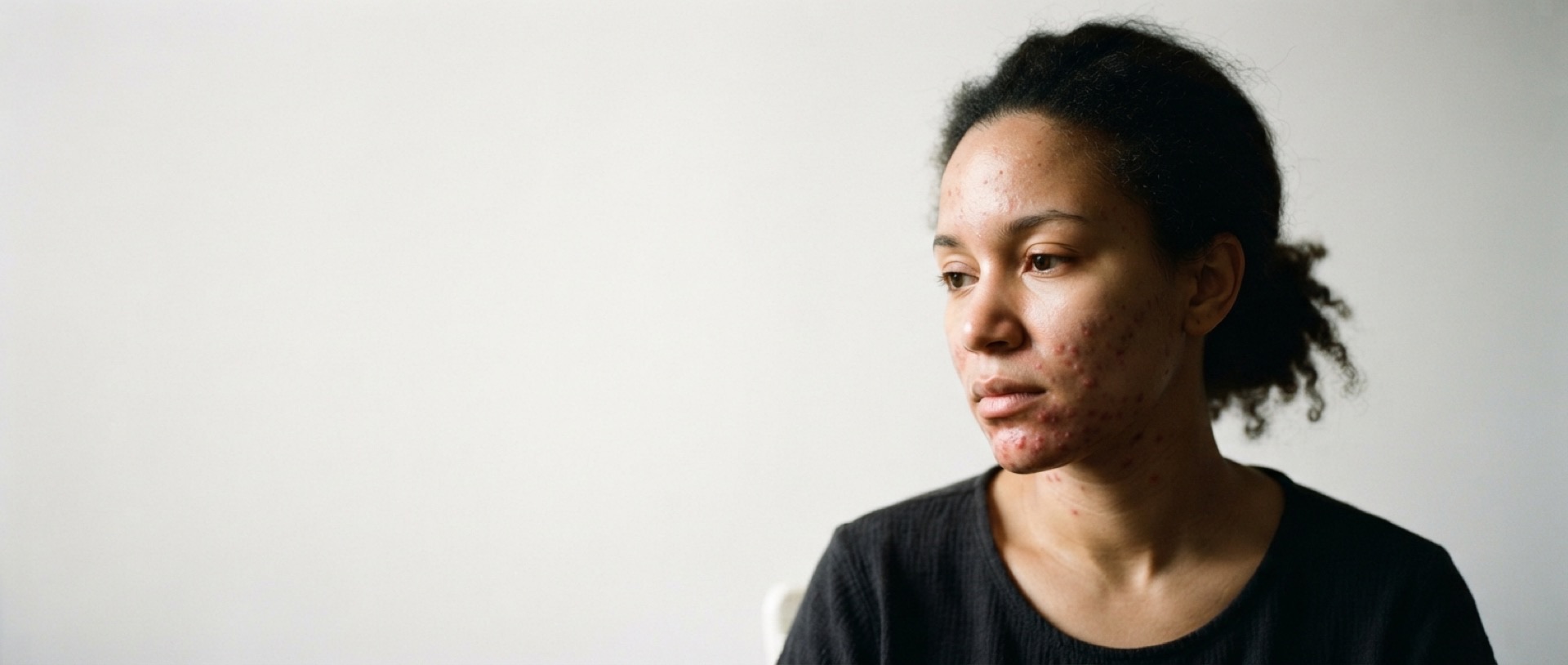
Clay masks suit oily, combination and congested skin. A clinical assessment of a clay mask in oily and acne-prone skin found measurable reductions in sebum and improvements in the look of pores.
They also help body breakouts and scalp oiliness. The limitation is duration: the effect is temporary, and over-use dehydrates the skin, which prompts it to produce more oil. Once or twice a week is the sensible ceiling.
What ingredients are best paired with clay?
Match the clay to the skin: kaolin is the mildest and suits sensitive or drier skin, bentonite and fuller’s earth are the most absorbent and suit oily skin.
Blend or follow with soothing, hydrating ingredients – glycerin, hyaluronic acid, aloe, colloidal oatmeal, niacinamide. Rinse the mask before it cracks; a fully dried clay mask pulls moisture out of the skin as well as oil. Take our Skin Quiz.
What are sun spots?
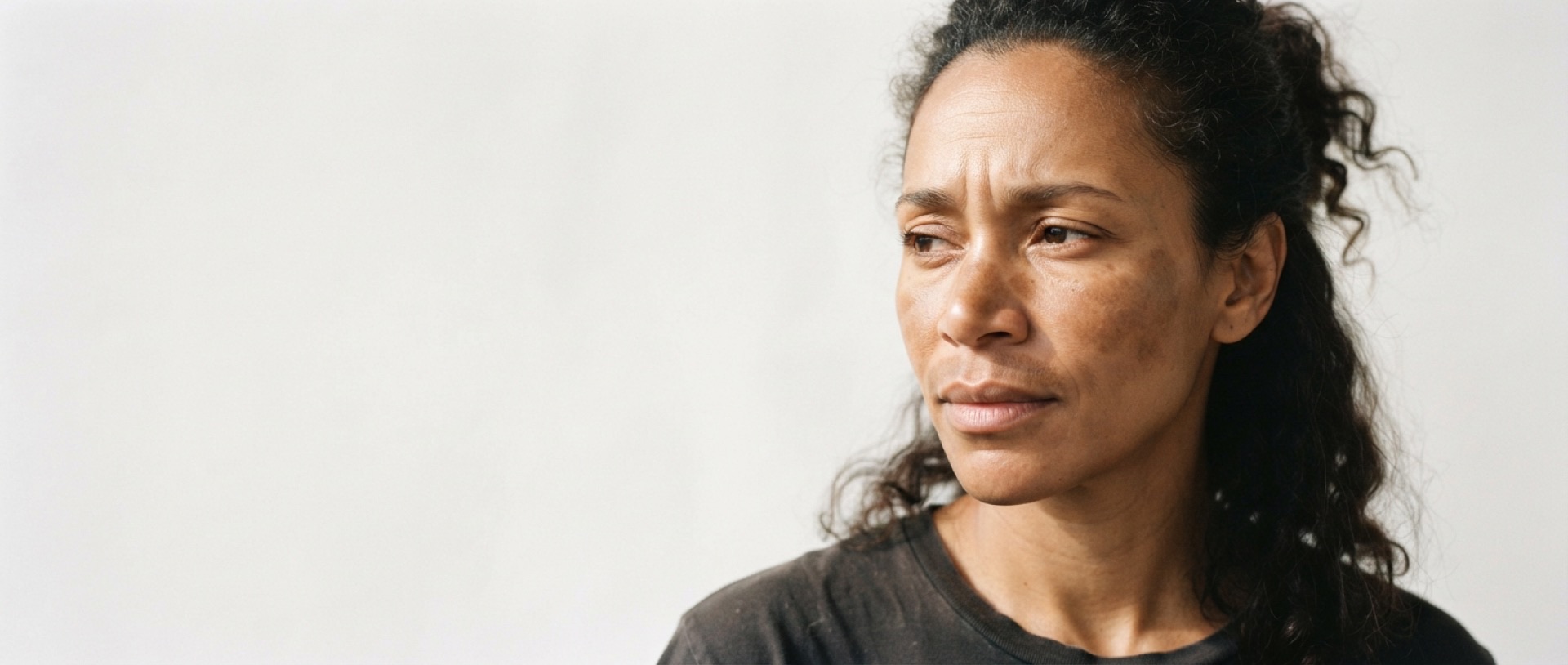
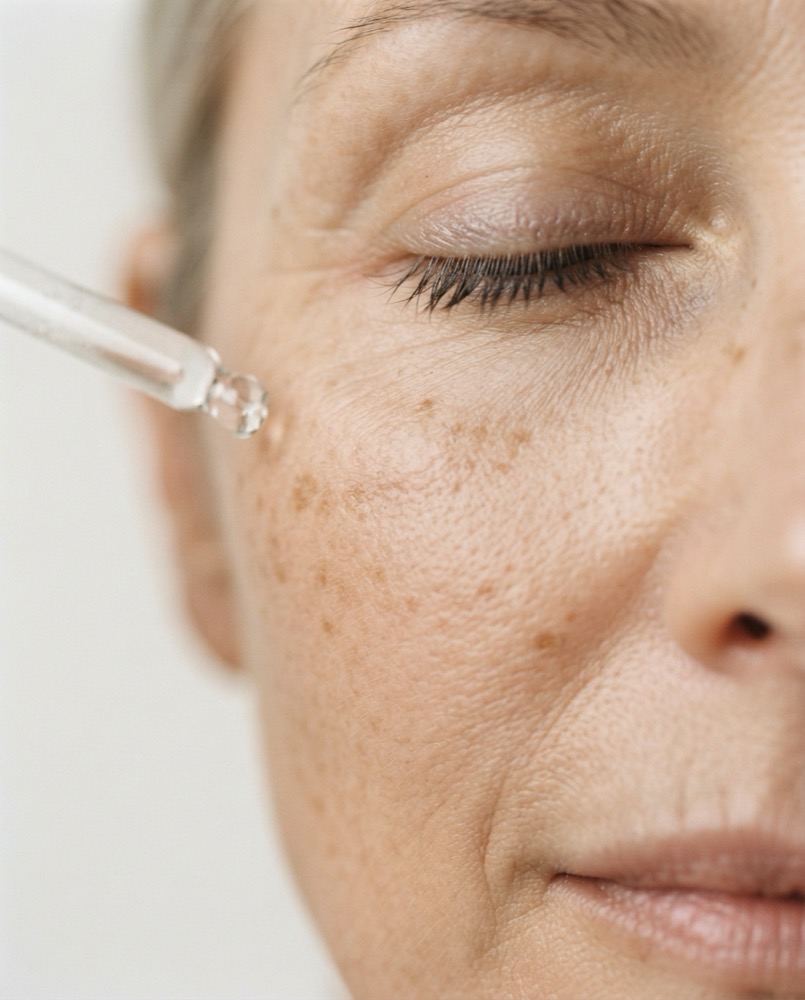
Sun spots are flat patches of concentrated pigment that form where skin has taken the most ultraviolet exposure – cheeks, nose, forehead, hands, shoulders and chest. Dermatologists call them solar lentigines; they are the same thing as age spots.
They are harmless, but they are a visible marker of accumulated photodamage, and they usually arrive alongside other signs of it: fine lines, loss of firmness and an uneven overall tone.
What causes sun spots?
UV radiation prompts melanocytes to produce extra melanin as a defence. With repeated exposure that response becomes localised and fixed, leaving discrete patches instead of an even tan that fades.
Tanning beds, sunburns in childhood, fair skin and outdoor time without protection all increase the count. Incidental exposure – driving, walking, sitting near a window – adds up more than most people expect.
What ingredients are best for sun spots?
Retinoids to accelerate turnover, vitamin C to protect and brighten, and pigment inhibitors such as alpha arbutin, kojic acid, azelaic acid, tranexamic acid and liquorice root are the core toolkit.
Gentle AHAs help shift surface pigment, and niacinamide slows the transfer of melanin into skin cells. None of it holds without daily broad-spectrum SPF and reapplication. Take our Skin Quiz.