What is clay in skincare?
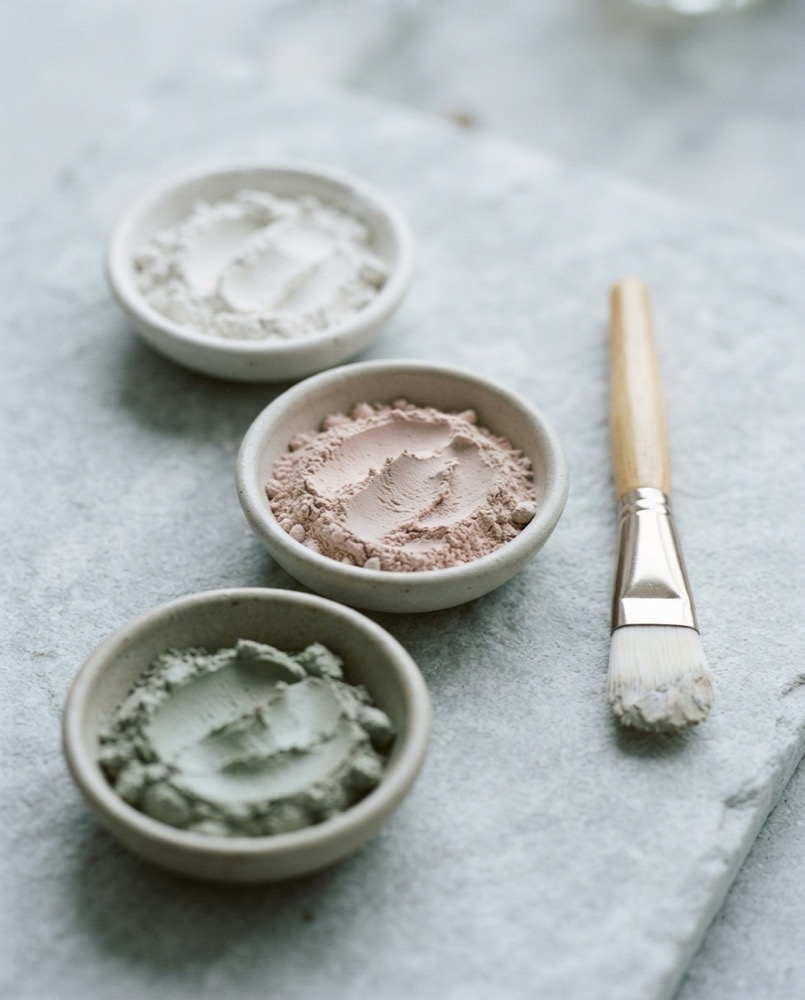
Clay in skincare means fine-grained mineral powders formed from weathered rock – kaolin, bentonite, montmorillonite, French green clay, rhassoul and fuller’s earth are the common ones. Each has a different mineral content and a different appetite for oil.
They work through adsorption and ion exchange: the charged mineral platelets bind sebum, dirt and bacteria on the skin surface. Reviews of clay minerals in dermocosmetics cover their absorbent, cleansing and mildly antibacterial properties.
What skin concerns does clay treat?
Clay masks suit oily, combination and congested skin. A clinical assessment of a clay mask in oily and acne-prone skin found measurable reductions in sebum and improvements in the look of pores.
They also help body breakouts and scalp oiliness. The limitation is duration: the effect is temporary, and over-use dehydrates the skin, which prompts it to produce more oil. Once or twice a week is the sensible ceiling.
What ingredients are best paired with clay?
Match the clay to the skin: kaolin is the mildest and suits sensitive or drier skin, bentonite and fuller’s earth are the most absorbent and suit oily skin.
Blend or follow with soothing, hydrating ingredients – glycerin, hyaluronic acid, aloe, colloidal oatmeal, niacinamide. Rinse the mask before it cracks; a fully dried clay mask pulls moisture out of the skin as well as oil. Take our Skin Quiz.
What is melasma?
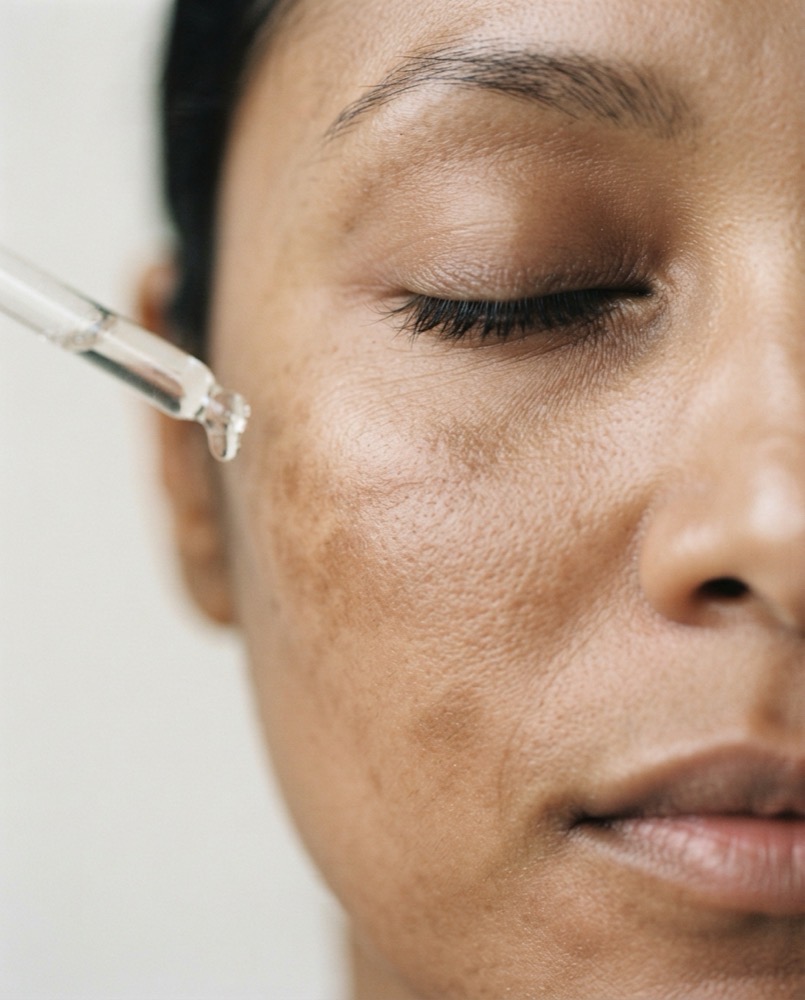
Melasma is a common form of acquired hyperpigmentation that appears as symmetrical brown or greyish-brown patches, most often across the cheeks, forehead, upper lip and jawline. It develops when melanocytes – the pigment-producing cells in the skin – become overactive and deposit excess melanin into the epidermis, the dermis, or both.
It is far more common in women and in medium to deeper skin tones, and it behaves as a chronic, relapsing condition rather than a one-off mark – which is why management matters as much as treatment.
What causes melasma?
Three triggers dominate: ultraviolet and visible light exposure, hormonal change (pregnancy, oral contraceptives and hormone therapy – hence its nickname, the mask of pregnancy), and genetic predisposition.
Heat, visible light from sunlight and screens, inflammation from harsh products or aggressive procedures, and certain medications all make existing patches worse. Because the triggers are ongoing, melasma typically fades and returns rather than clearing permanently.
What ingredients are best for melasma?
Daily broad-spectrum sunscreen is non-negotiable, and a tinted mineral SPF containing iron oxides is best because it also screens the visible light that drives pigment production.
On top of that, the most evidence-backed actives are tranexamic acid, azelaic acid, niacinamide, vitamin C, alpha arbutin, kojic acid, liquorice root extract, retinoids and gentle alpha-hydroxy acids. Avoid harsh scrubs and strong heat, both of which can rebound the pigment. Take our Skin Quiz to build a routine around your skin tone and triggers.