What is clay in skincare?
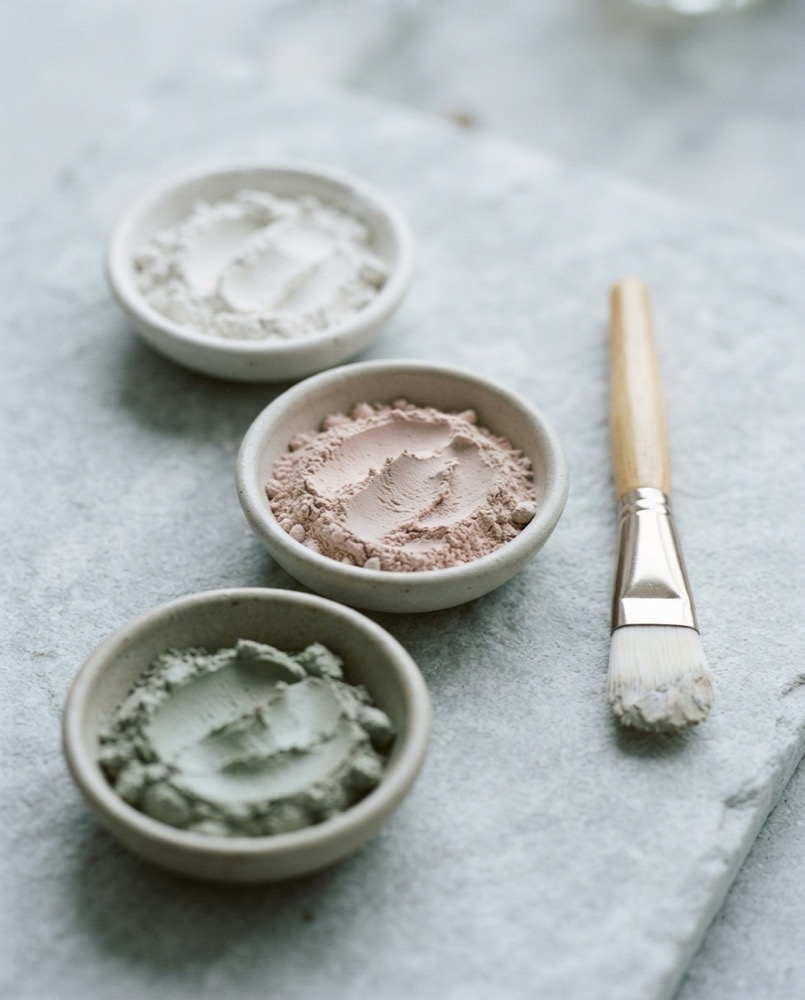
Clay in skincare means fine-grained mineral powders formed from weathered rock – kaolin, bentonite, montmorillonite, French green clay, rhassoul and fuller’s earth are the common ones. Each has a different mineral content and a different appetite for oil.
They work through adsorption and ion exchange: the charged mineral platelets bind sebum, dirt and bacteria on the skin surface. Reviews of clay minerals in dermocosmetics cover their absorbent, cleansing and mildly antibacterial properties.
What skin concerns does clay treat?
Clay masks suit oily, combination and congested skin. A clinical assessment of a clay mask in oily and acne-prone skin found measurable reductions in sebum and improvements in the look of pores.
They also help body breakouts and scalp oiliness. The limitation is duration: the effect is temporary, and over-use dehydrates the skin, which prompts it to produce more oil. Once or twice a week is the sensible ceiling.
What ingredients are best paired with clay?
Match the clay to the skin: kaolin is the mildest and suits sensitive or drier skin, bentonite and fuller’s earth are the most absorbent and suit oily skin.
Blend or follow with soothing, hydrating ingredients – glycerin, hyaluronic acid, aloe, colloidal oatmeal, niacinamide. Rinse the mask before it cracks; a fully dried clay mask pulls moisture out of the skin as well as oil. Take our Skin Quiz.
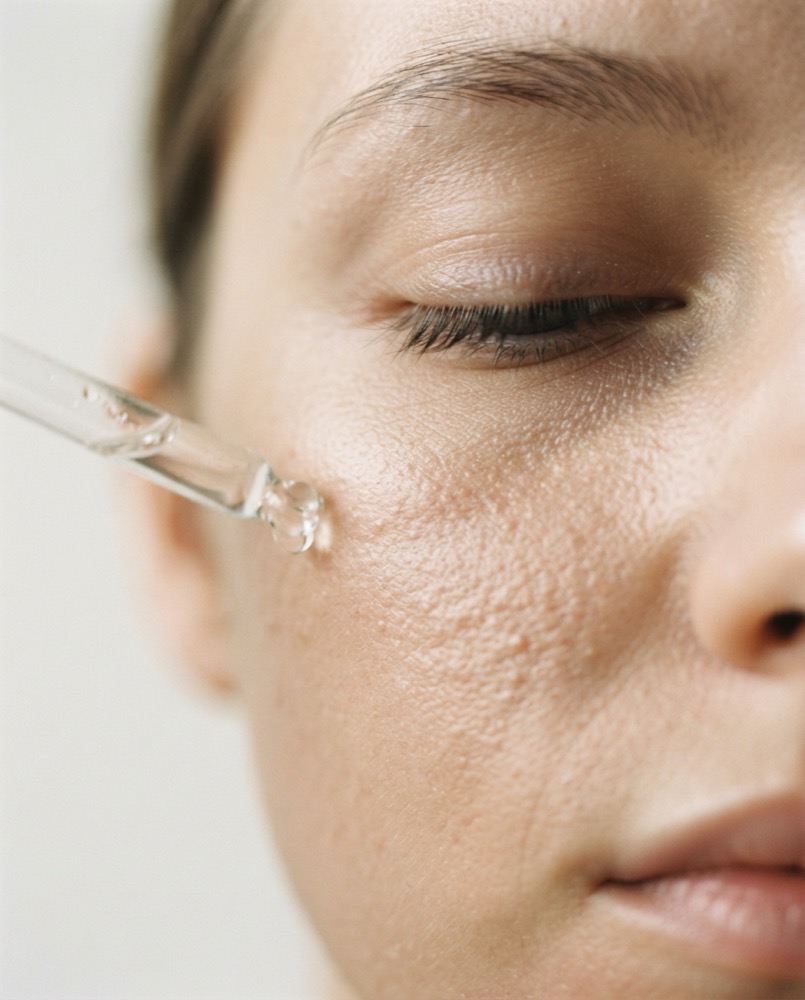
What is bumpy skin?
Bumpy skin is a texture problem rather than a single condition. It covers the rough, uneven surface you can feel more than see – most often keratosis pilaris (small hard bumps on the upper arms, thighs and cheeks), closed comedones, milia, or simple build-up of dead cells on the surface.
Keratosis pilaris in particular affects a large share of the population and is harmless, but it makes skin feel like sandpaper and can be stubborn to smooth out.
What causes bumpy skin?
Most bumpy texture comes from keratin plugging the follicle. When dead cells fail to shed cleanly, they collect at the pore opening and form a firm bump – a process closely linked to a weakened permeability barrier and low skin hydration.
Genetics, dry skin, cold weather, eczema and a history of over-scrubbing all make it worse. Aggressive physical exfoliation tends to backfire, inflaming the follicle and thickening the plug.
What ingredients are best for bumpy skin?
Chemical exfoliation works far better than scrubbing. Salicylic acid clears inside the follicle, lactic and glycolic acid loosen surface build-up, and urea both exfoliates and hydrates.
Retinoids normalise how skin sheds over time, while ceramides, niacinamide and hyaluronic acid keep the barrier strong so the plugs stop reforming. Consistency matters more than strength here. Take our Skin Quiz to work out which exfoliant your skin can tolerate.