

What is cetearyl alcohol in skincare?
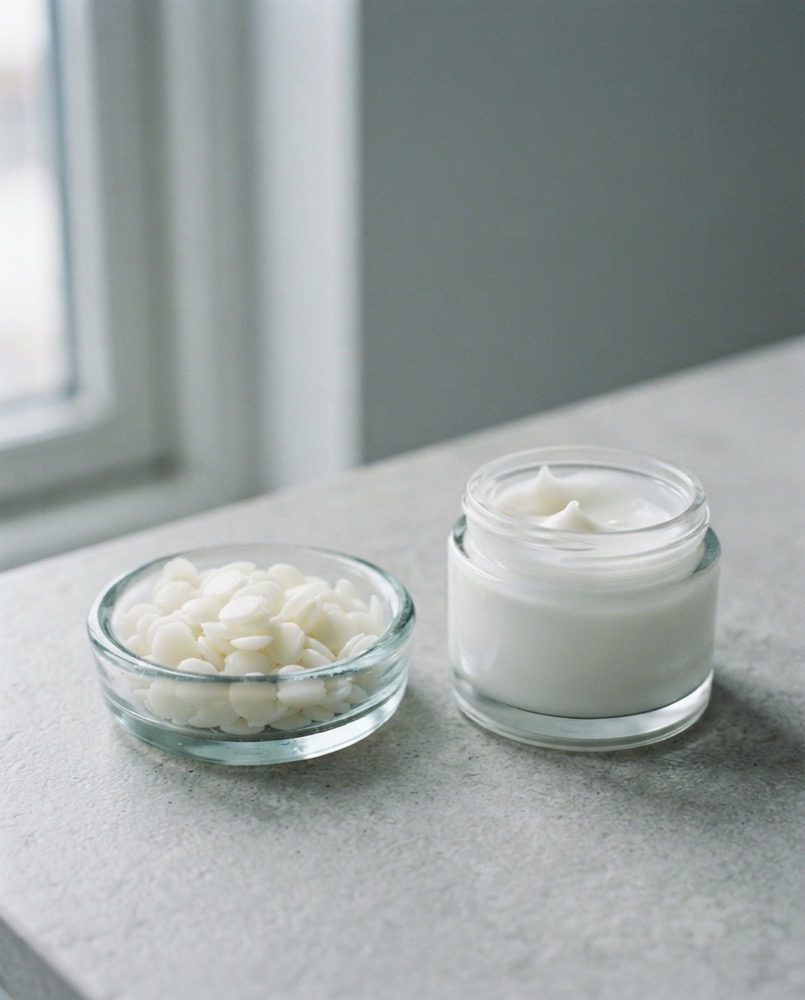
Cetearyl alcohol is a blend of cetyl and stearyl alcohol, both fatty alcohols derived from plant oils such as coconut or palm. Despite the name it has nothing in common with drying alcohols like ethanol or isopropyl alcohol – it is a waxy solid, not a volatile solvent.
It works as an emollient, a thickener and an emulsifier, holding oil and water together so a cream stays a cream. It is one of the most common ingredients in moisturisers, conditioners and cleansing balms.
What skin concerns does cetearyl alcohol treat?
It softens and smooths the skin and helps reduce water loss, contributing to the barrier-supporting effect of the moisturiser it sits in. It gives rich creams their cushioned texture without a greasy finish.
It is generally very well tolerated, and safe for dry and sensitive skin. The two caveats: it is mildly comedogenic, so very acne-prone skin may find heavy creams built on it congesting, and contact dermatitis from cetostearyl alcohol is a recognised, if uncommon, reaction.
What ingredients are best paired with cetearyl alcohol?
It is a structural ingredient, so it appears alongside almost everything – glycerin and hyaluronic acid for hydration, ceramides and shea butter for barrier repair, and actives it helps deliver evenly.
If you have persistent unexplained reactions to moisturisers, fatty alcohols are worth raising with a dermatologist for patch testing. For most people, it is simply what makes a good cream feel good. Take our Skin Quiz.
What is cystic acne?
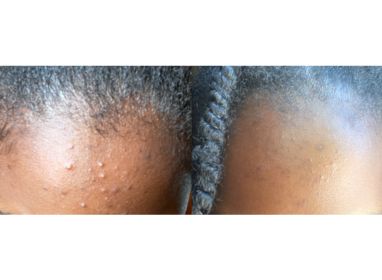
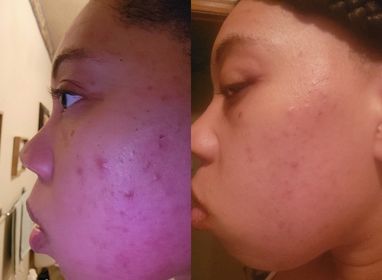
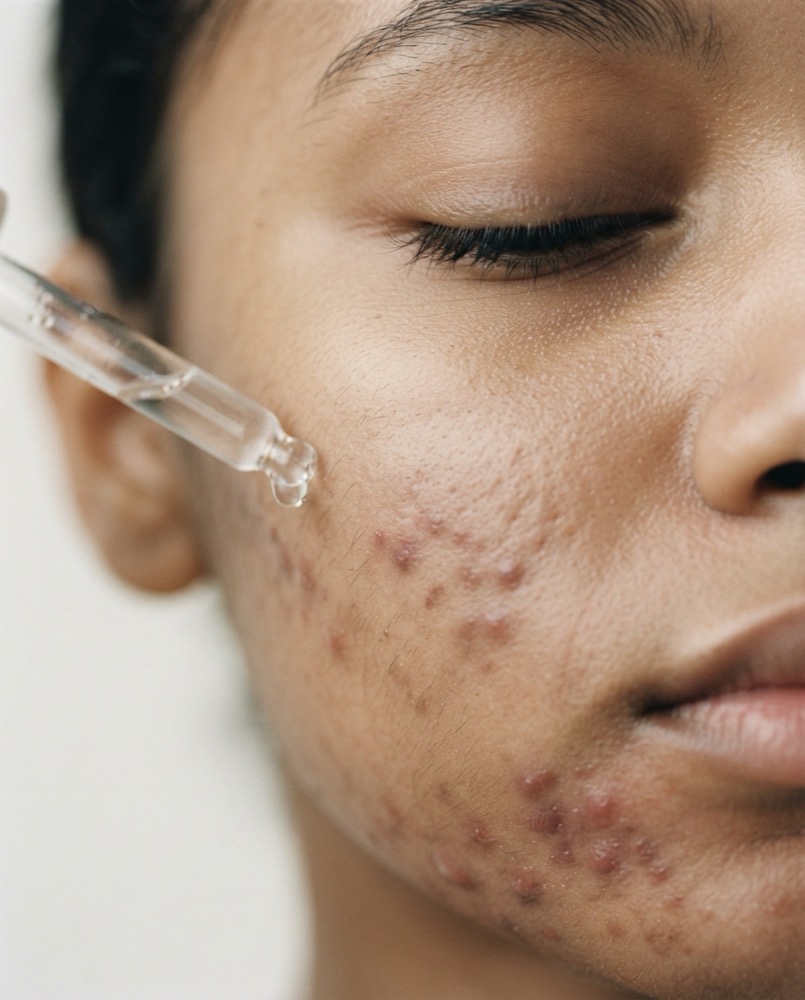
Cystic acne is the most severe form of inflammatory acne. Instead of surface pimples, it produces deep, tender nodules and fluid-filled cysts that sit under the skin, often without ever coming to a head.
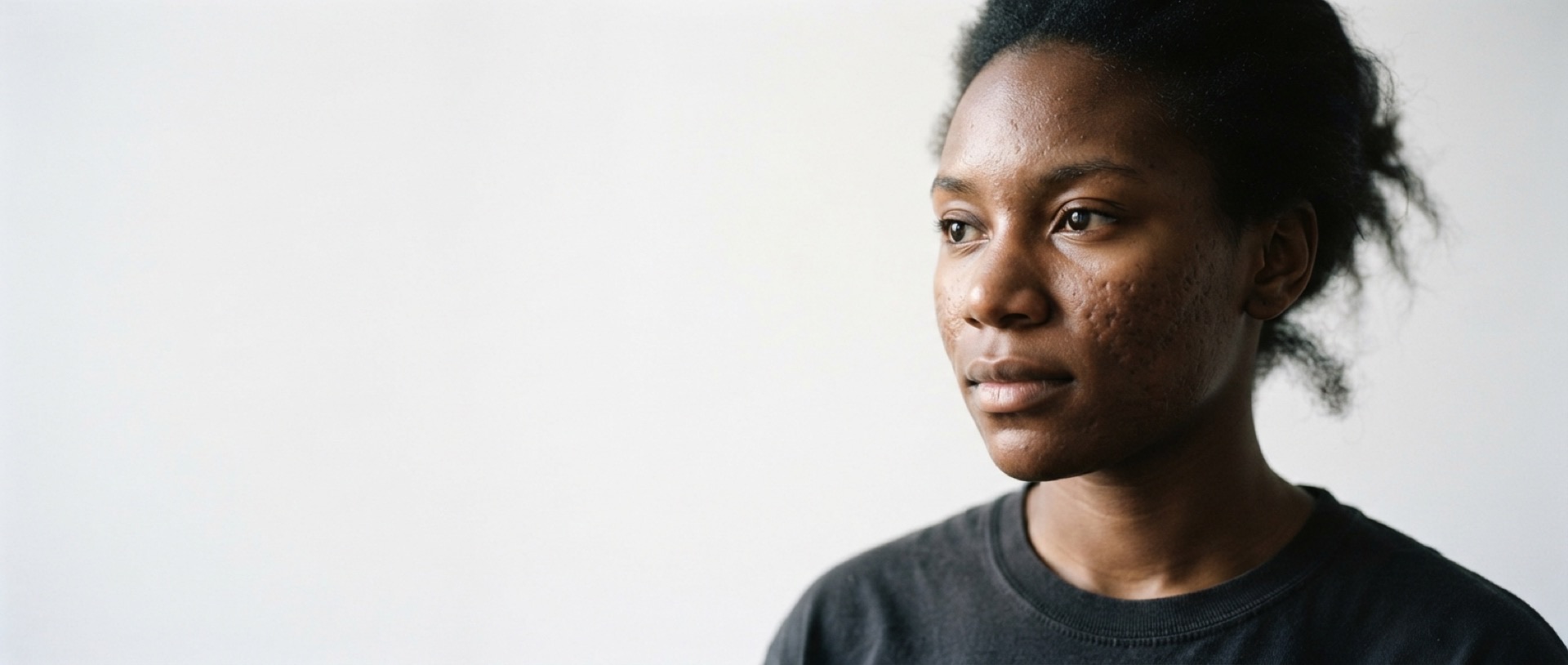
It happens when a blocked follicle ruptures deep in the dermis and spills sebum, keratin and bacteria into surrounding tissue, triggering a strong immune inflammatory response. Because the damage is deep, cystic acne is the type most likely to scar.
What causes cystic acne?
The same four factors behind all acne, amplified: excess sebum, abnormal shedding inside the follicle, overgrowth of Cutibacterium acnes, and inflammation. Androgens drive sebum production, which is why cystic acne often tracks with hormonal cycles, PCOS or puberty.
Genetics strongly influence severity, and stress, high-glycaemic diets, occlusive products and picking at lesions all make it worse. Squeezing a cyst pushes the contents deeper and reliably increases scarring.
What ingredients are best for cystic acne?
Cystic acne genuinely warrants a dermatologist – oral treatment is often needed. Alongside that, topical retinoids are the most useful over-the-counter active, because they work on the plug before it ruptures.
Benzoyl peroxide reduces bacterial load, azelaic acid calms inflammation and post-acne marks, and niacinamide helps redness without irritation. Keep the rest of the routine gentle and barrier-focused – harsh scrubs and drying alcohol make deep lesions angrier. Take our Skin Quiz.