

What is cetearyl alcohol in skincare?
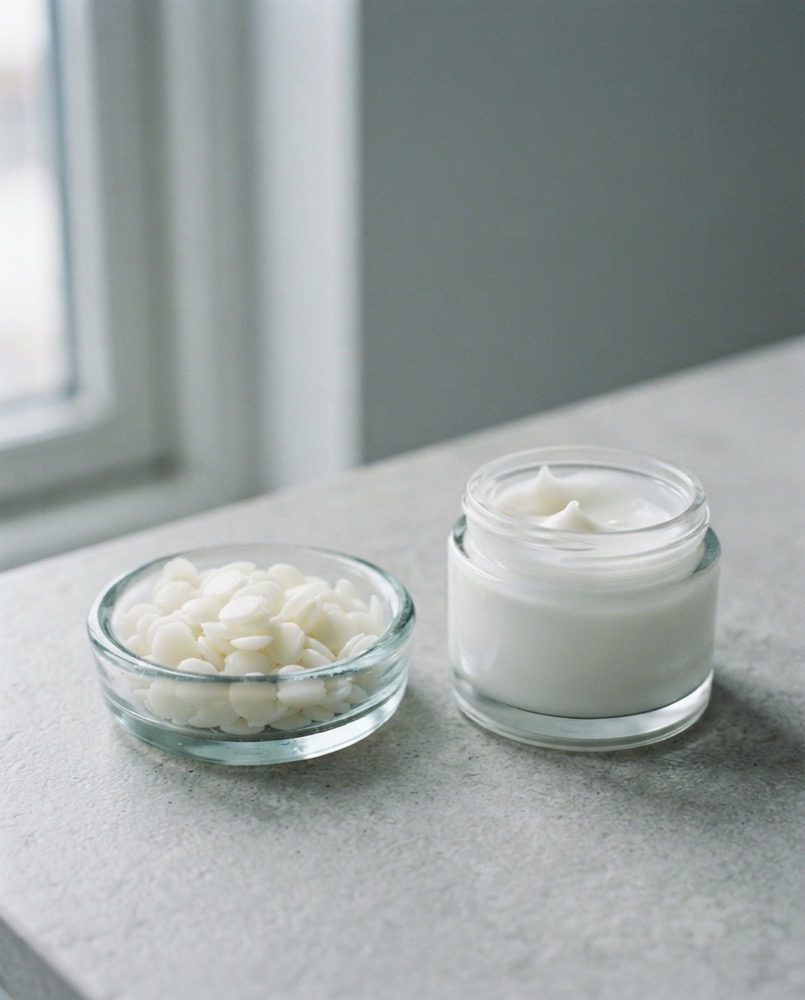
Cetearyl alcohol is a blend of cetyl and stearyl alcohol, both fatty alcohols derived from plant oils such as coconut or palm. Despite the name it has nothing in common with drying alcohols like ethanol or isopropyl alcohol – it is a waxy solid, not a volatile solvent.
It works as an emollient, a thickener and an emulsifier, holding oil and water together so a cream stays a cream. It is one of the most common ingredients in moisturisers, conditioners and cleansing balms.
What skin concerns does cetearyl alcohol treat?
It softens and smooths the skin and helps reduce water loss, contributing to the barrier-supporting effect of the moisturiser it sits in. It gives rich creams their cushioned texture without a greasy finish.
It is generally very well tolerated, and safe for dry and sensitive skin. The two caveats: it is mildly comedogenic, so very acne-prone skin may find heavy creams built on it congesting, and contact dermatitis from cetostearyl alcohol is a recognised, if uncommon, reaction.
What ingredients are best paired with cetearyl alcohol?
It is a structural ingredient, so it appears alongside almost everything – glycerin and hyaluronic acid for hydration, ceramides and shea butter for barrier repair, and actives it helps deliver evenly.
If you have persistent unexplained reactions to moisturisers, fatty alcohols are worth raising with a dermatologist for patch testing. For most people, it is simply what makes a good cream feel good. Take our Skin Quiz.
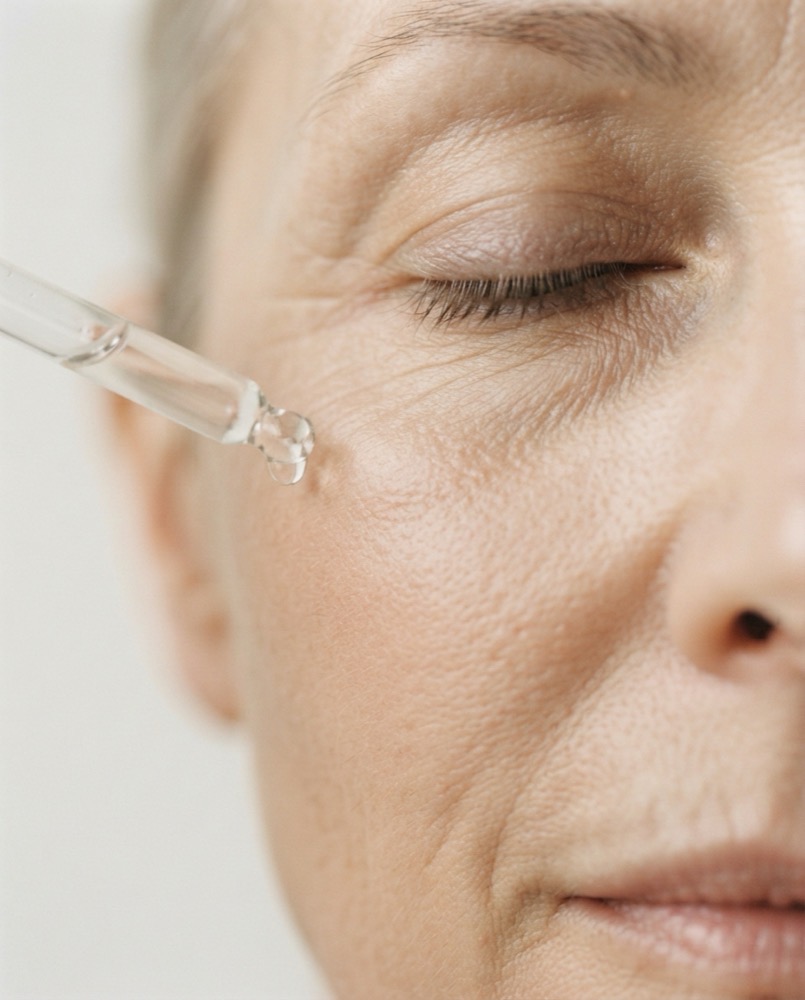
What is crepey skin?
Crepey skin is skin that has become thin, loose and finely wrinkled, with the papery texture of crepe paper. It differs from ordinary wrinkles in that it affects a broad area rather than forming distinct lines, and it appears most on the under-eyes, neck, décolletage, upper arms and inner thighs.
The hallmark is loss of elasticity: pinched skin takes longer to snap back, and the surface looks crinkled even at rest.
What causes crepey skin?
The main driver is degradation of the elastin network in the dermis. Cumulative ultraviolet exposure breaks down elastic fibres and replaces them with disorganised material – the process called solar elastosis – while collagen production falls at the same time.
Age, chronic dehydration, significant weight loss, smoking, and the natural drop in oestrogen around menopause all accelerate it. Body areas get less skincare attention than the face, which is why crepiness often shows there first.
What ingredients are best for crepey skin?
Retinoids remain the best-evidenced option for rebuilding collagen and thickening the dermis over months of use. Peptides support elastin and collagen signalling, and vitamin C protects existing fibres while aiding synthesis.
Layer those over rich hydration – hyaluronic acid, glycerin, ceramides, squalane and shea butter – which visibly improves the crinkled look even before structural change happens. Daily SPF on neck, chest and hands prevents further breakdown. Take our Skin Quiz.