

What is cetearyl alcohol in skincare?
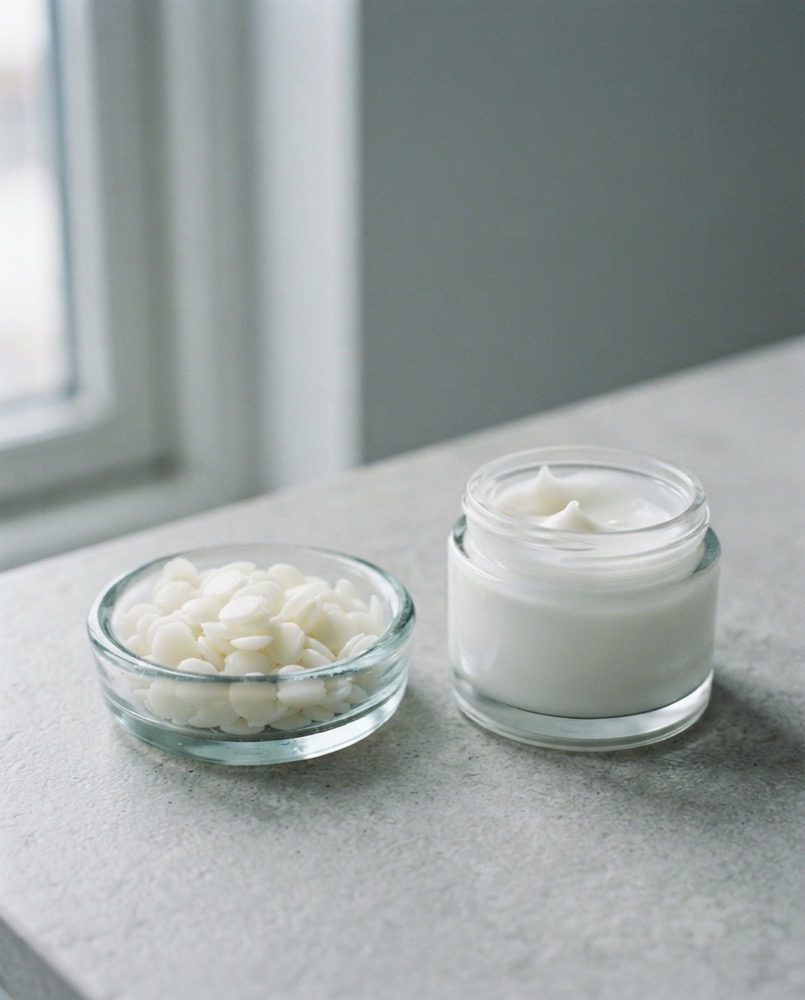
Cetearyl alcohol is a blend of cetyl and stearyl alcohol, both fatty alcohols derived from plant oils such as coconut or palm. Despite the name it has nothing in common with drying alcohols like ethanol or isopropyl alcohol – it is a waxy solid, not a volatile solvent.
It works as an emollient, a thickener and an emulsifier, holding oil and water together so a cream stays a cream. It is one of the most common ingredients in moisturisers, conditioners and cleansing balms.
What skin concerns does cetearyl alcohol treat?
It softens and smooths the skin and helps reduce water loss, contributing to the barrier-supporting effect of the moisturiser it sits in. It gives rich creams their cushioned texture without a greasy finish.
It is generally very well tolerated, and safe for dry and sensitive skin. The two caveats: it is mildly comedogenic, so very acne-prone skin may find heavy creams built on it congesting, and contact dermatitis from cetostearyl alcohol is a recognised, if uncommon, reaction.
What ingredients are best paired with cetearyl alcohol?
It is a structural ingredient, so it appears alongside almost everything – glycerin and hyaluronic acid for hydration, ceramides and shea butter for barrier repair, and actives it helps deliver evenly.
If you have persistent unexplained reactions to moisturisers, fatty alcohols are worth raising with a dermatologist for patch testing. For most people, it is simply what makes a good cream feel good. Take our Skin Quiz.
What are clogged pores?
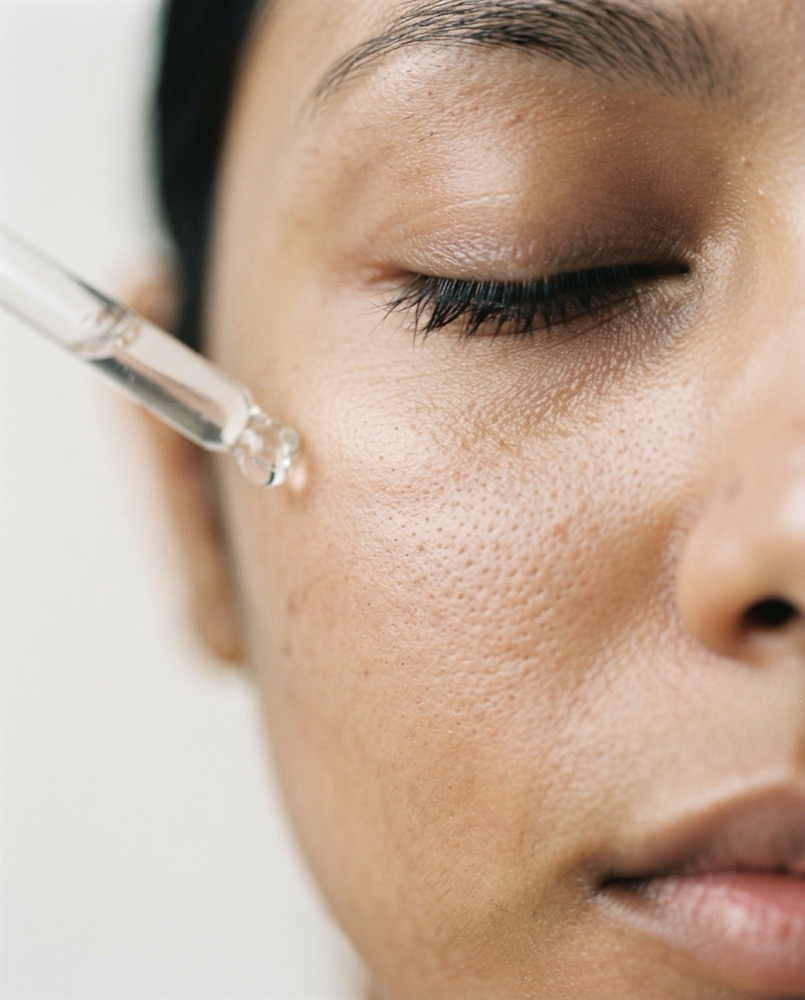
A clogged pore is a hair follicle blocked by a mix of sebum, dead skin cells and debris. Left open to the air the plug oxidises and darkens into a blackhead; sealed over by skin it becomes a whitehead or closed comedone.
Clogged pores are the starting point of nearly all acne – the microcomedone forms first, and inflammation follows only if bacteria and immune response get involved.
What causes clogged pores?
Excess sebum and abnormal keratinisation are the two mechanics. When the follicle lining sheds cells faster than they can clear, they bind with oil and form a plug.
Comedogenic products (heavy oils, some silicones and waxes), thick makeup worn for long stretches, humidity, sweat left on the skin, hormonal shifts and insufficient cleansing all contribute. So does over-cleansing, which damages the barrier and drives oil production up.
What ingredients are best for clogged pores?
Salicylic acid is the first choice because it is oil-soluble and works inside the pore rather than just on the surface. Glycolic and lactic acid clear the surface layer, and clay masks absorb excess oil weekly.
Retinoids are the most effective long-term fix, because they change how the follicle sheds in the first place. Add niacinamide to regulate sebum and keep the barrier intact, and switch to non-comedogenic, lightweight hydrators. Take our Skin Quiz to find products that will not re-clog you.