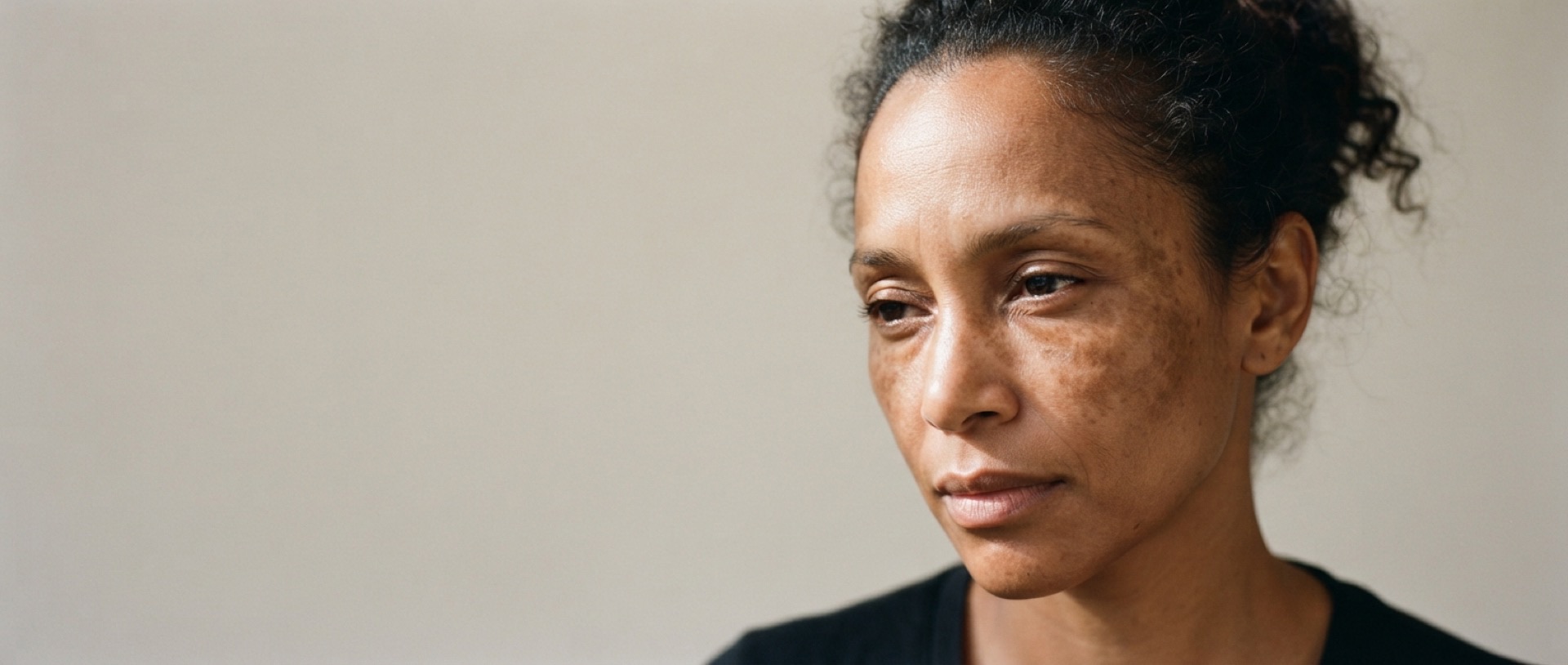
What are ceramides in skincare?
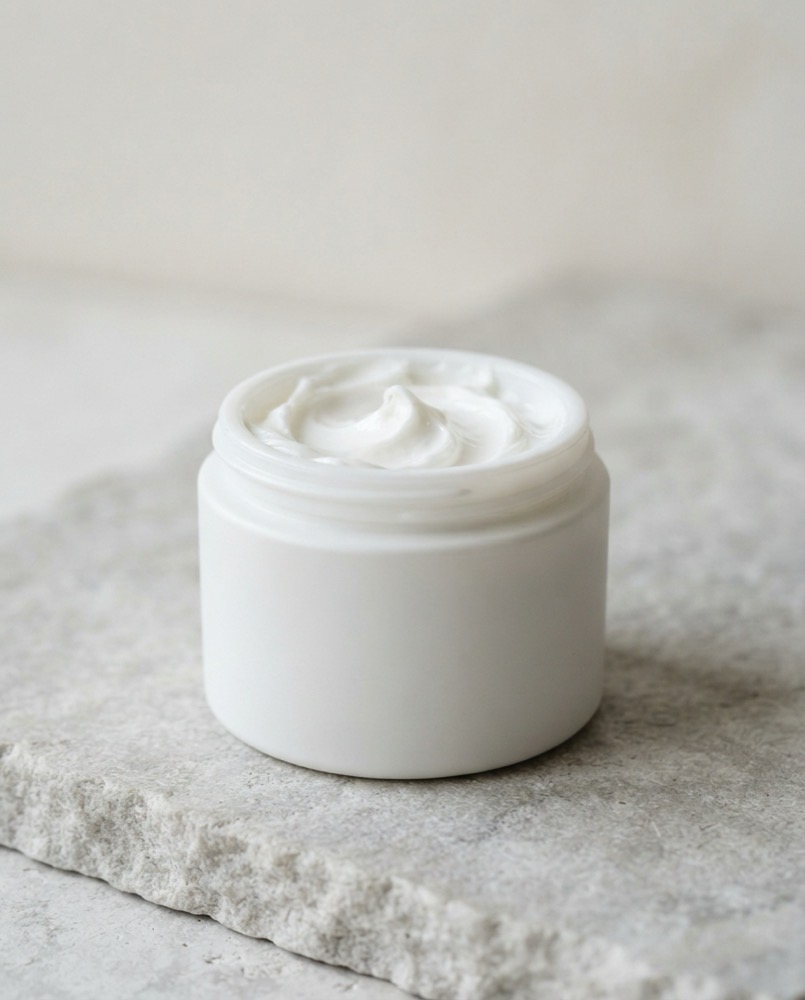
Ceramides are waxy lipid molecules that make up roughly half of the material binding skin cells together in the outermost layer. Along with cholesterol and free fatty acids they form the mortar in the brick-and-mortar structure of the skin barrier.
Skin produces its own, but levels fall with age, cold weather, over-cleansing and conditions such as eczema. Topical ceramides replace what is missing rather than simply sitting on top.
What skin concerns do ceramides treat?
They are the core fix for dryness, tightness, flaking, sensitivity and a compromised barrier. Clinical work shows ceramide-containing moisturisers outperform many standard creams for water retention and barrier recovery.
They also matter for acne-prone skin on active treatment: restoring ceramides alongside retinoids or benzoyl peroxide reduces the dryness and irritation that make people abandon a routine.
What ingredients are best paired with ceramides?
The strongest combination is ceramides with cholesterol and fatty acids in a physiological ratio, since the barrier needs all three. Add hyaluronic acid or glycerin underneath to draw water in, and squalane or shea butter on top to seal it.
Niacinamide is a natural partner because it stimulates the skin to produce more ceramides of its own. They pair safely with every active, and are the best way to make retinoids and acids tolerable. Take our Skin Quiz.
What is cystic acne?
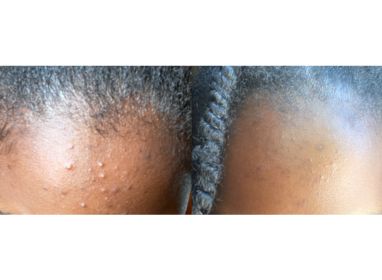
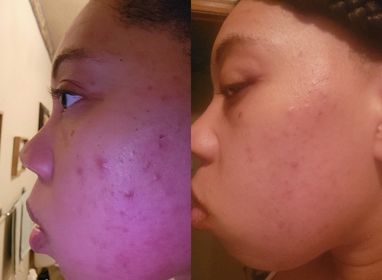
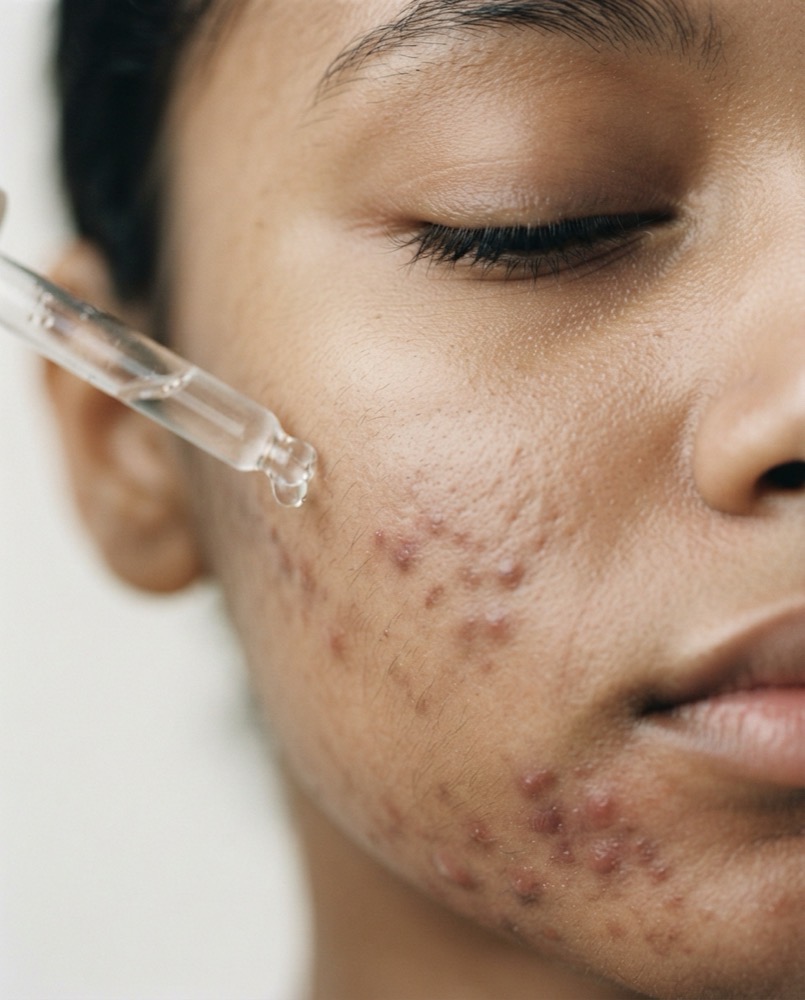
Cystic acne is the most severe form of inflammatory acne. Instead of surface pimples, it produces deep, tender nodules and fluid-filled cysts that sit under the skin, often without ever coming to a head.
It happens when a blocked follicle ruptures deep in the dermis and spills sebum, keratin and bacteria into surrounding tissue, triggering a strong immune inflammatory response. Because the damage is deep, cystic acne is the type most likely to scar.
What causes cystic acne?
The same four factors behind all acne, amplified: excess sebum, abnormal shedding inside the follicle, overgrowth of Cutibacterium acnes, and inflammation. Androgens drive sebum production, which is why cystic acne often tracks with hormonal cycles, PCOS or puberty.
Genetics strongly influence severity, and stress, high-glycaemic diets, occlusive products and picking at lesions all make it worse. Squeezing a cyst pushes the contents deeper and reliably increases scarring.
What ingredients are best for cystic acne?
Cystic acne genuinely warrants a dermatologist – oral treatment is often needed. Alongside that, topical retinoids are the most useful over-the-counter active, because they work on the plug before it ruptures.
Benzoyl peroxide reduces bacterial load, azelaic acid calms inflammation and post-acne marks, and niacinamide helps redness without irritation. Keep the rest of the routine gentle and barrier-focused – harsh scrubs and drying alcohol make deep lesions angrier. Take our Skin Quiz.