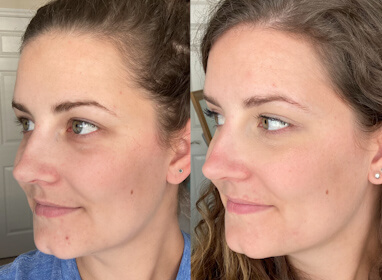
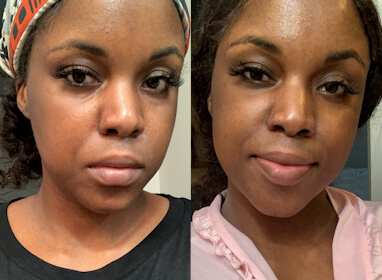
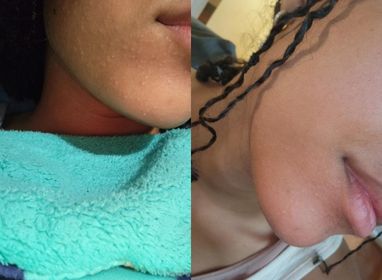
What is castor oil in skincare?
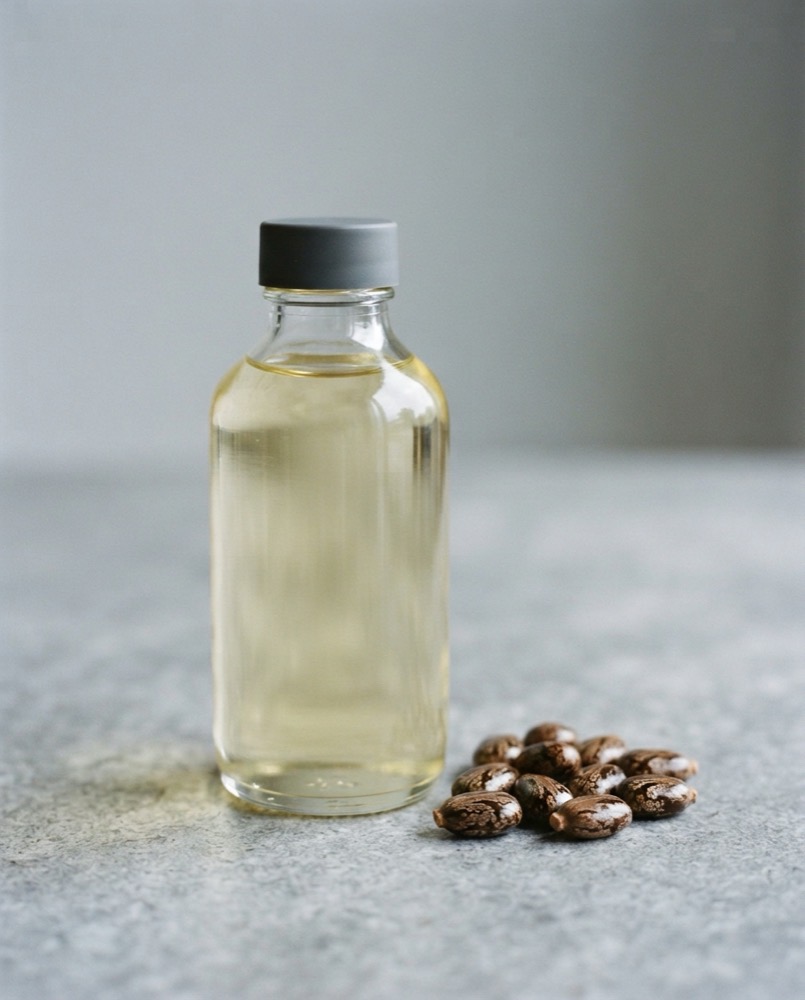
Castor oil is pressed from the seeds of Ricinus communis. It is chemically unlike any other common plant oil: around 90% of it is ricinoleic acid, an unusual hydroxylated fatty acid that gives castor oil its extreme thickness and its distinctive properties.
That hydroxyl group makes it both an occlusive and a humectant – it seals the surface while also attracting water – and gives it genuine anti-inflammatory and antimicrobial activity.
What skin concerns does castor oil treat?
It excels on very dry, cracked or chapped skin, lips, cuticles and heels, where a thick occlusive is exactly what is needed. Its anti-inflammatory action also helps irritated patches.
It is a component of many oil cleansers because it dissolves sebum and makeup effectively. On its own it is far too heavy and sticky for facial moisturising, and it can congest pores if left on oily skin.
What ingredients are best paired with castor oil?
In cleansing balms it is diluted with lighter oils – sunflower, jojoba or sweet almond – usually at 10 to 30%, since undiluted castor oil is drying on the face despite being an oil.
For dry patches, apply it over a hydrating layer so it seals moisture rather than sealing dryness in. Pair with shea butter or ceramides for hands, feet and lips. Take our Skin Quiz.
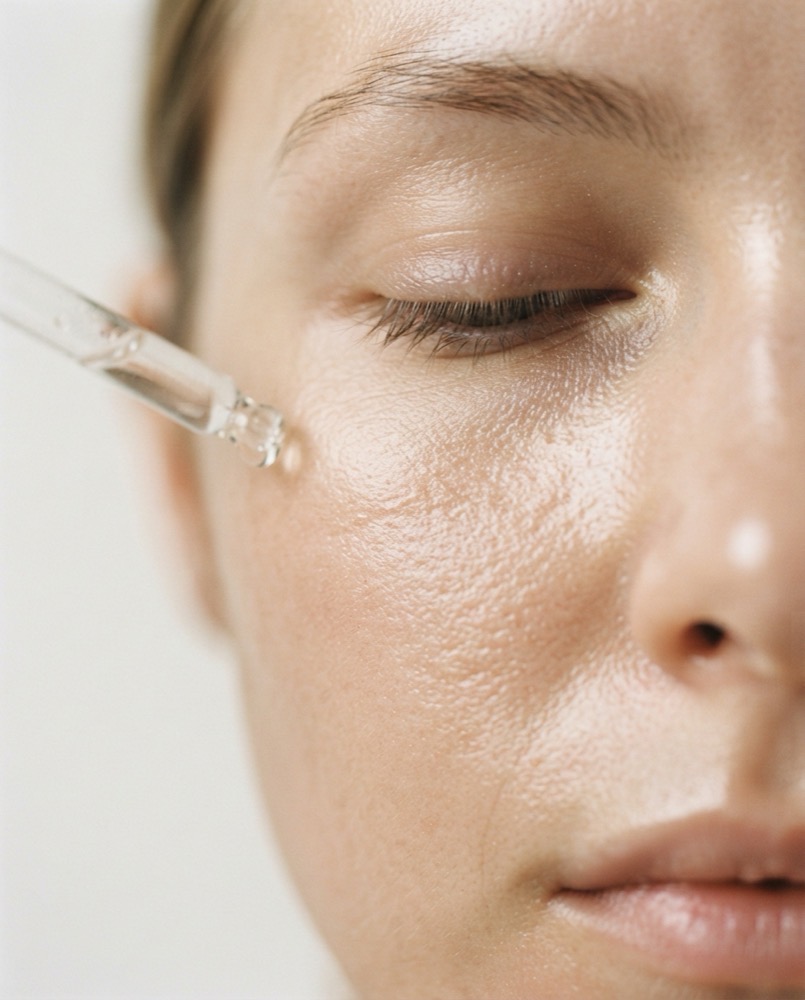
What is oily skin?
Oily skin is a skin type in which the sebaceous glands produce more sebum than the skin needs. It shows up as shine through the T-zone within hours of cleansing, visibly enlarged pores, makeup that slides or separates, and a tendency towards blackheads and congestion.
Sebum itself is not the enemy – it carries vitamin E to the surface, keeps the barrier supple and helps oily skin hold its structure, which is why it often shows fine lines later than dry skin does.
What causes oily skin?
Genetics and androgen activity are the primary drivers of how much sebum your glands produce. Heat and humidity increase output measurably, and hormonal fluctuations across the monthly cycle, pregnancy or puberty shift it again.
Stress, a diet heavy in refined carbohydrates, and – counter-intuitively – over-cleansing with stripping foams or alcohol-based toners all push oil production up, because skin compensates for a damaged barrier by making more.
What ingredients are best for oily skin?
Look for salicylic acid (a BHA that is oil-soluble, so it clears inside the pore), niacinamide and zinc to regulate sebum, clay such as bentonite or kaolin for weekly absorption, and retinoids or azelaic acid to normalise how pores shed.
Do not skip hydration: lightweight humectants like hyaluronic acid and glycerin, plus non-comedogenic squalane or jojoba oil, keep the barrier intact so the skin stops over-compensating. Skip heavy occlusive balms and high-alcohol toners. Take our Skin Quiz to get the balance right for your skin.