

What is castor oil in skincare?
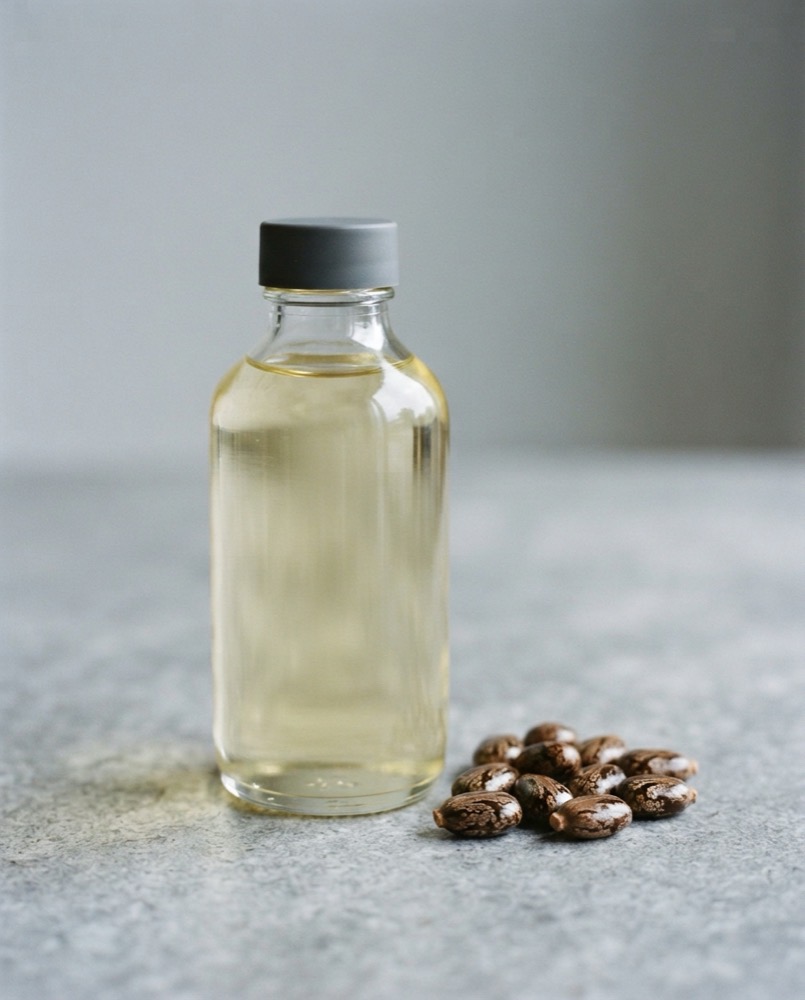
Castor oil is pressed from the seeds of Ricinus communis. It is chemically unlike any other common plant oil: around 90% of it is ricinoleic acid, an unusual hydroxylated fatty acid that gives castor oil its extreme thickness and its distinctive properties.
That hydroxyl group makes it both an occlusive and a humectant – it seals the surface while also attracting water – and gives it genuine anti-inflammatory and antimicrobial activity.
What skin concerns does castor oil treat?
It excels on very dry, cracked or chapped skin, lips, cuticles and heels, where a thick occlusive is exactly what is needed. Its anti-inflammatory action also helps irritated patches.
It is a component of many oil cleansers because it dissolves sebum and makeup effectively. On its own it is far too heavy and sticky for facial moisturising, and it can congest pores if left on oily skin.
What ingredients are best paired with castor oil?
In cleansing balms it is diluted with lighter oils – sunflower, jojoba or sweet almond – usually at 10 to 30%, since undiluted castor oil is drying on the face despite being an oil.
For dry patches, apply it over a hydrating layer so it seals moisture rather than sealing dryness in. Pair with shea butter or ceramides for hands, feet and lips. Take our Skin Quiz.
What are dark spots?
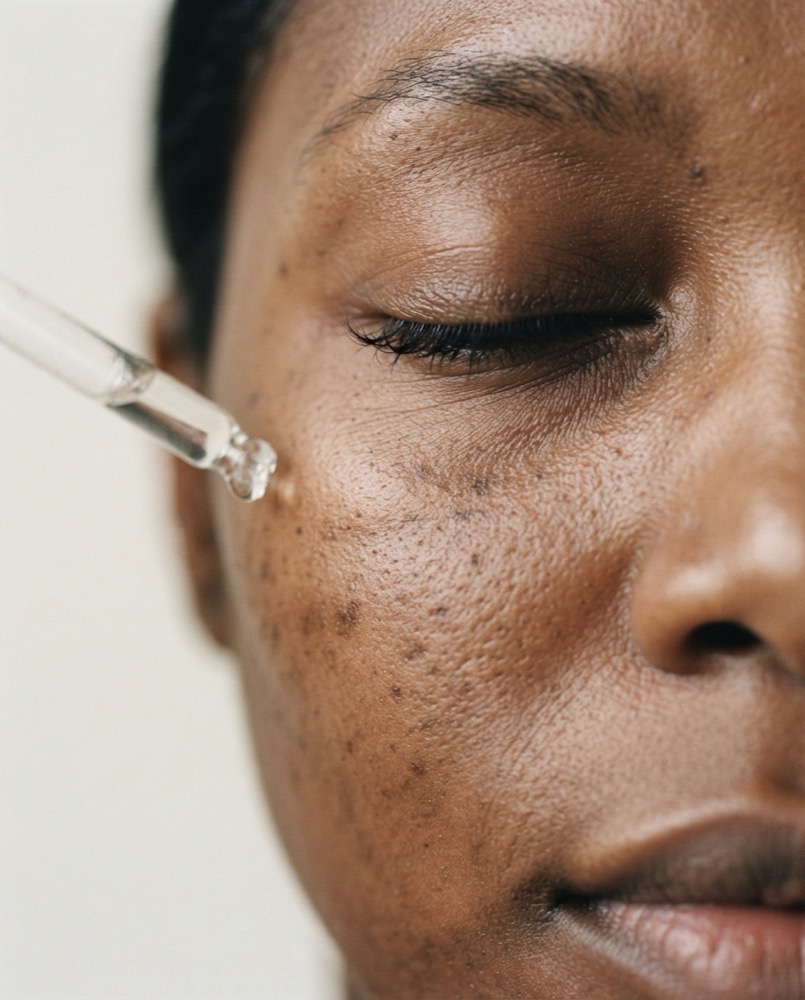
Dark spots are localised patches where the skin has produced more melanin than the surrounding area. The umbrella term covers sun spots, post-acne marks, melasma patches and freckles – different causes, same visible result.
They are flat rather than raised, vary from light tan to deep brown, and are most noticeable on the face, hands and chest. In deeper skin tones they tend to be darker and to last considerably longer.
What causes dark spots?
Two mechanisms dominate. Ultraviolet exposure triggers protective melanin production, and inflammation – from acne, ingrown hairs, eczema, friction, burns or harsh treatments – leaves post-inflammatory hyperpigmentation behind as it heals.
Hormonal change, some medications and heat add to it. Picking at spots is one of the most avoidable causes: the extra inflammation reliably makes the mark darker and longer-lived than the original blemish.
What ingredients are best for dark spots?
Vitamin C, niacinamide and azelaic acid are the everyday workhorses. For stubborn pigment, alpha arbutin, tranexamic acid, kojic acid and liquorice root extract interrupt melanin production directly.
Retinoids and gentle AHAs clear pigmented cells faster from the surface. Give any routine twelve weeks before judging it, and wear broad-spectrum SPF daily or the spots will simply redarken. Take our Skin Quiz.