

What is castile soap in skincare?
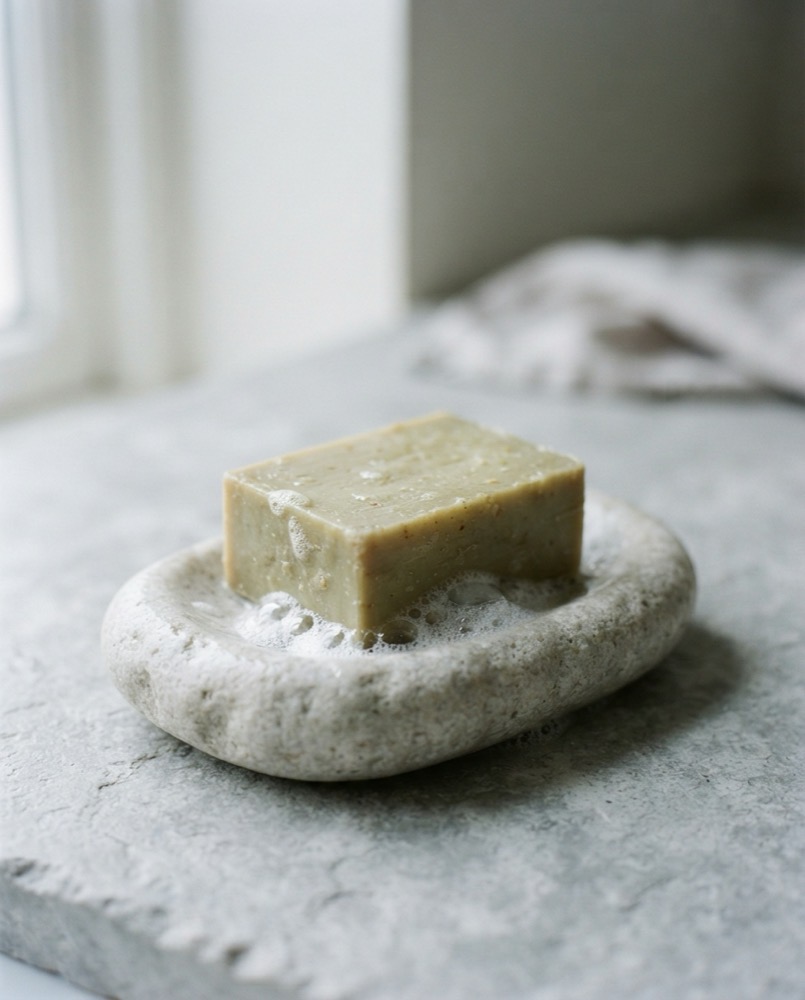
Castile soap is a true soap made by saponifying vegetable oils – traditionally olive oil, now often a blend with coconut and hemp – with an alkali. It contains no synthetic detergents, which is the basis of its natural reputation.
That chemistry has an unavoidable consequence: real soap is alkaline, typically pH 9 to 10. Healthy skin sits at roughly pH 4.7 to 5.75, the acid mantle that keeps enzymes working and pathogens out.
What skin concerns does castile soap treat?
It cleans very effectively, is biodegradable and free of synthetic surfactants, and is a reasonable choice for household cleaning, hands and some body use.
On the face it is a poor fit. Comparisons of soaps and syndets consistently show true soaps raise skin pH and disrupt the barrier more than pH-balanced synthetic cleansers. The tight, squeaky feeling afterwards is stripped lipids, and skin often responds by producing more oil.
What ingredients are best paired with castile soap?
If you use it on the body, follow immediately with a moisturiser containing ceramides, glycerin or shea butter, and keep it off the face, eye area and any eczema-prone skin.
For facial cleansing, a pH-balanced gel, cream or oil cleanser is a better choice for every skin type – gentler on the barrier and just as clean. Never use castile soap with an acidic product in the same step; the reaction leaves a curdled residue. Take our Skin Quiz.
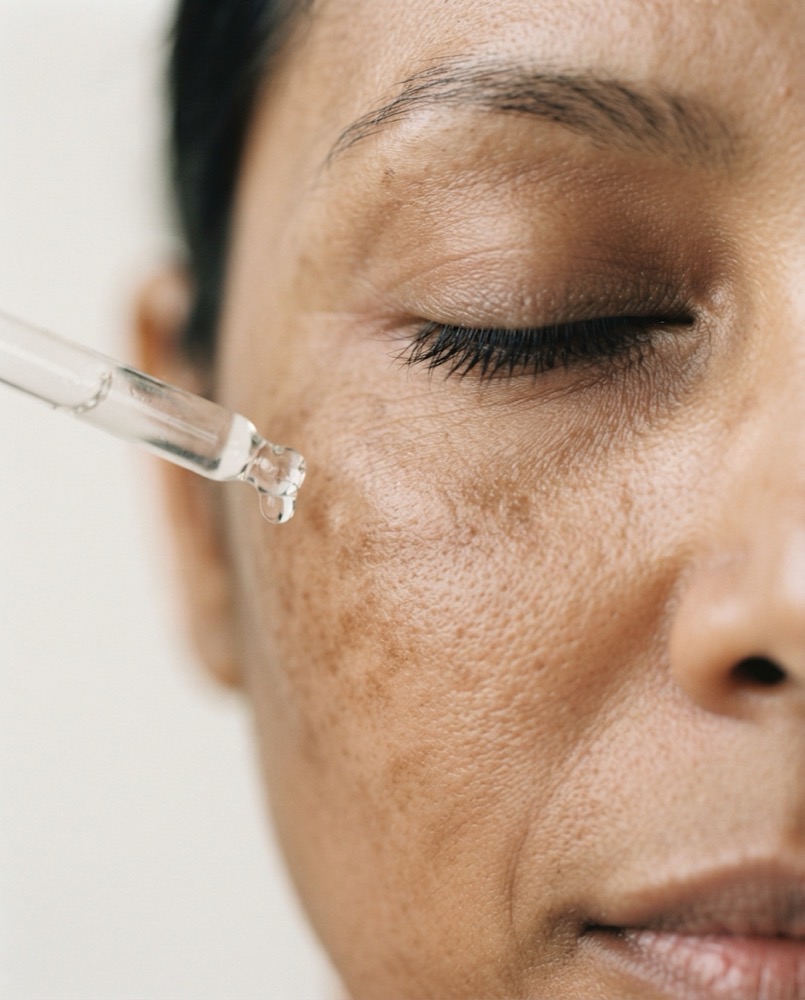
What is pigmentation?
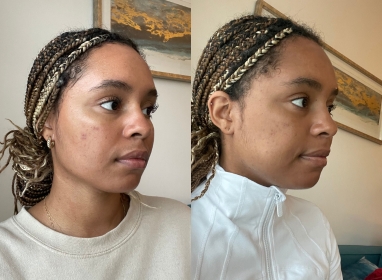
Pigmentation refers to any change in the colour of the skin caused by melanin. Hyperpigmentation – the common form – means patches darker than your natural tone, including sun spots, melasma, freckles and the marks left behind after acne or injury.
Melanin is produced by melanocytes in the lower epidermis and handed to surrounding skin cells. When that process is over-stimulated or unevenly distributed, the result is a visible patch rather than an even tone.
What causes pigmentation?
Ultraviolet exposure is the single largest trigger, because UV directly activates melanin production as a protective response. Inflammation is the second: acne, eczema, friction, waxing, burns or harsh procedures can all leave post-inflammatory hyperpigmentation, which is more common and longer-lasting in deeper skin tones.
Hormonal change, certain medications, heat and genetics complete the picture. Without daily sun protection, treated pigment reliably returns.
What ingredients are best for pigmentation?
The most effective topicals work at different points of melanin production: vitamin C and niacinamide, azelaic acid, tranexamic acid, alpha arbutin, kojic acid and liquorice root extract.
Retinoids and gentle AHAs speed up turnover so pigmented cells clear faster. But broad-spectrum SPF worn daily is the ingredient that decides whether any of it holds – without it, results reverse within weeks. Take our Skin Quiz.