What is castile soap in skincare?
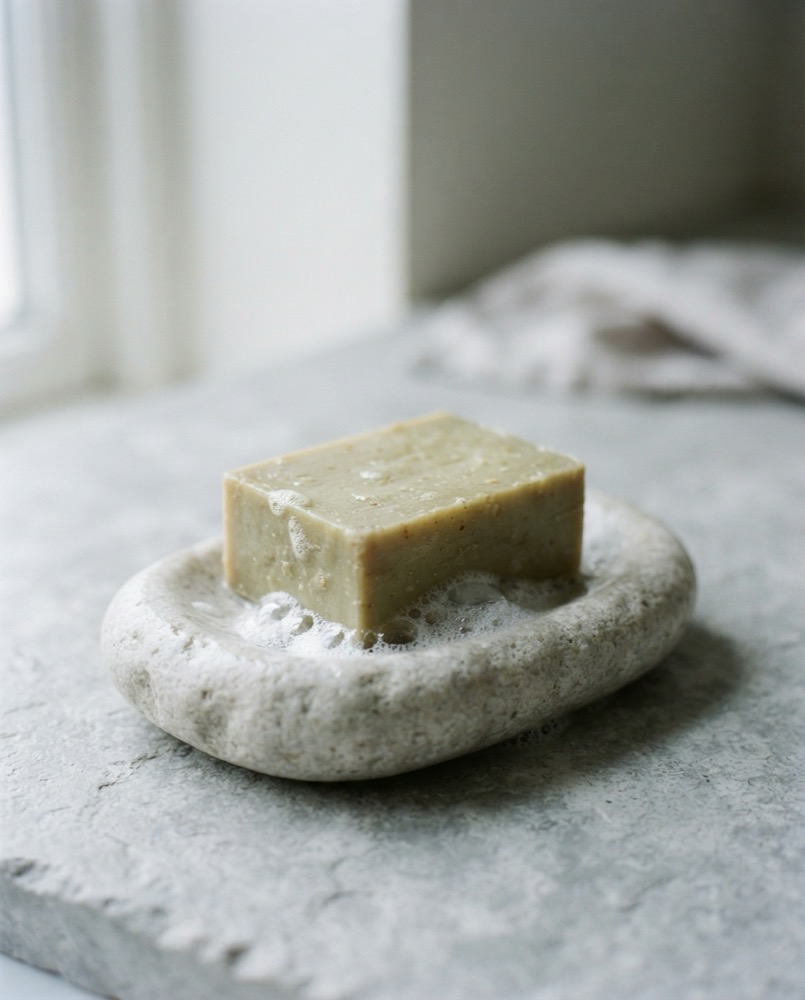
Castile soap is a true soap made by saponifying vegetable oils – traditionally olive oil, now often a blend with coconut and hemp – with an alkali. It contains no synthetic detergents, which is the basis of its natural reputation.
That chemistry has an unavoidable consequence: real soap is alkaline, typically pH 9 to 10. Healthy skin sits at roughly pH 4.7 to 5.75, the acid mantle that keeps enzymes working and pathogens out.
What skin concerns does castile soap treat?
It cleans very effectively, is biodegradable and free of synthetic surfactants, and is a reasonable choice for household cleaning, hands and some body use.
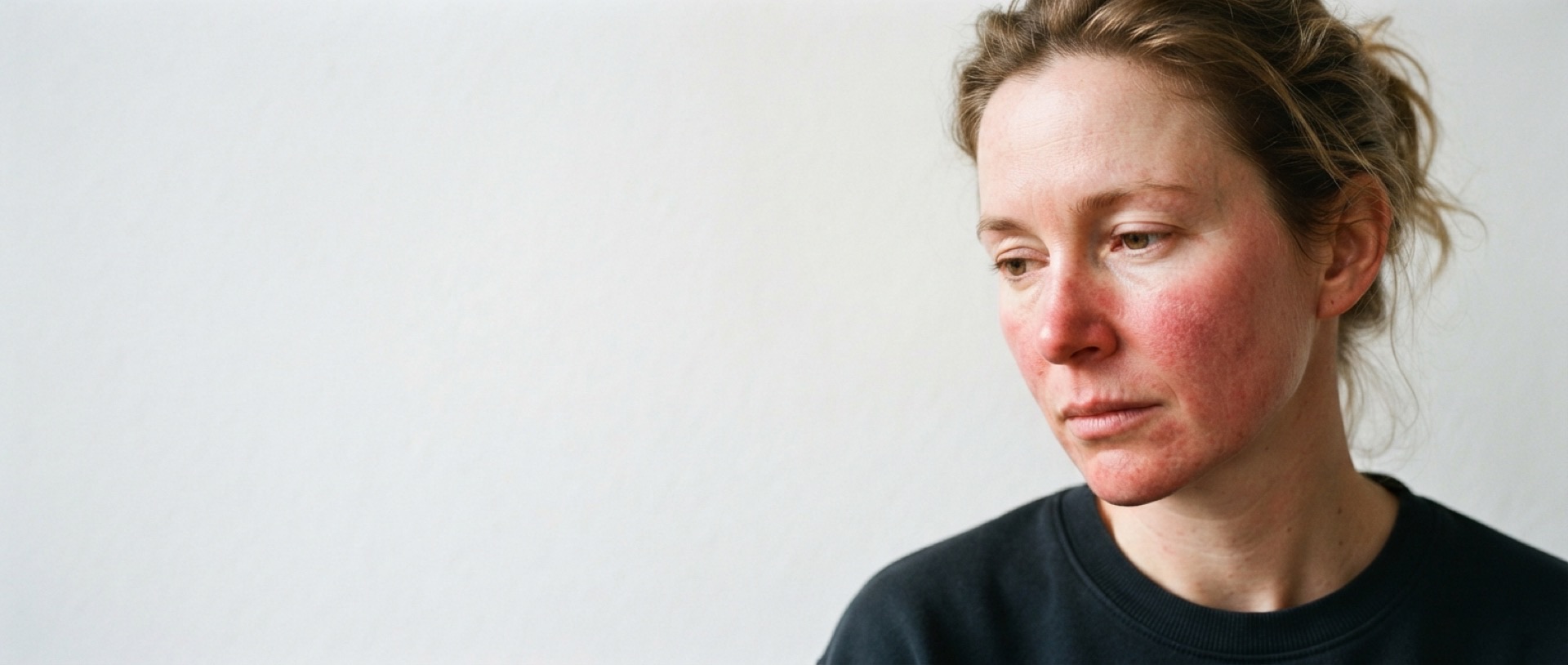
On the face it is a poor fit. Comparisons of soaps and syndets consistently show true soaps raise skin pH and disrupt the barrier more than pH-balanced synthetic cleansers. The tight, squeaky feeling afterwards is stripped lipids, and skin often responds by producing more oil.
What ingredients are best paired with castile soap?
If you use it on the body, follow immediately with a moisturiser containing ceramides, glycerin or shea butter, and keep it off the face, eye area and any eczema-prone skin.
For facial cleansing, a pH-balanced gel, cream or oil cleanser is a better choice for every skin type – gentler on the barrier and just as clean. Never use castile soap with an acidic product in the same step; the reaction leaves a curdled residue. Take our Skin Quiz.
What is hormonal acne?
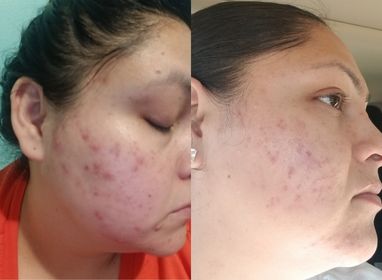
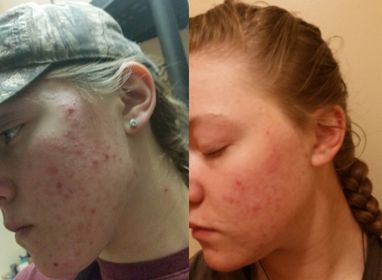
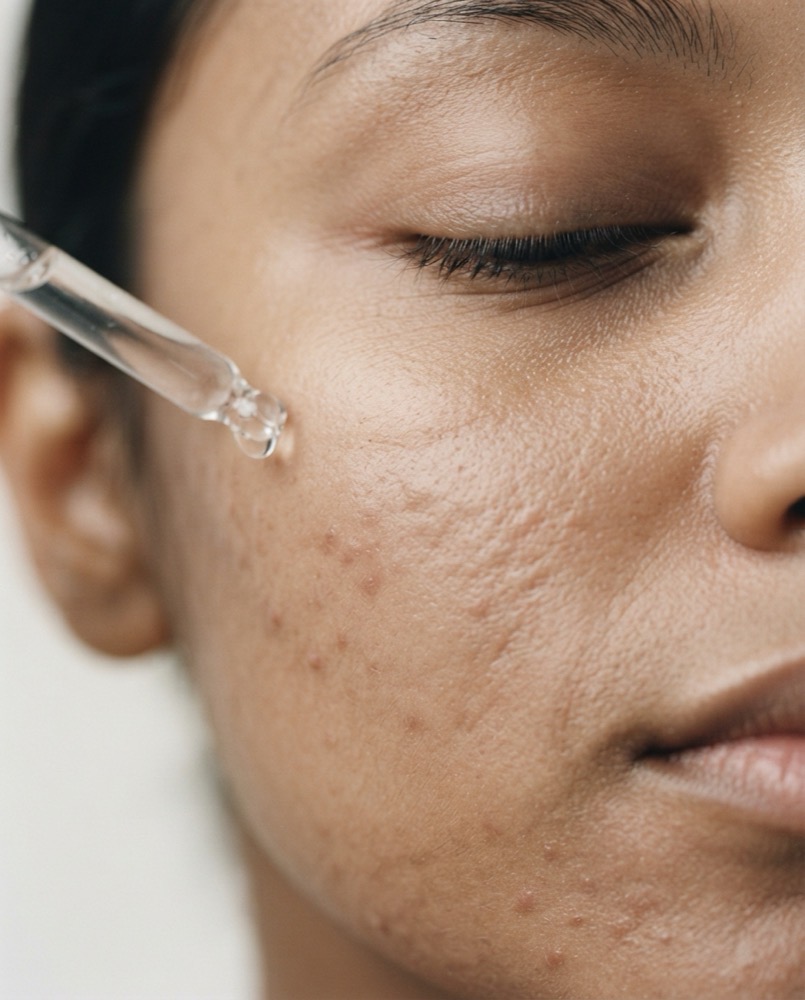
Hormonal acne is acne whose timing and pattern track with hormonal activity rather than with cleansing habits or diet alone. It typically appears along the lower face – jawline, chin and upper neck – as deep, tender papules and cysts that flare on a predictable cycle.
It is most recognisable in adult women, where breakouts often arrive in the week before menstruation and settle again afterwards.
What causes hormonal acne?
Androgens – testosterone and DHT in particular – bind to receptors on the sebaceous gland and increase sebum production. When androgen activity rises or oestrogen falls, oil output climbs and follicles clog more readily.
Menstrual cycles, starting or stopping contraception, pregnancy, perimenopause and PCOS are the usual contexts. Stress raises cortisol, which amplifies the same pathway. Persistent hormonal acne with irregular cycles or excess hair growth is worth investigating medically.
What ingredients are best for hormonal acne?
Retinoids are the most effective topical, because they stop the plug forming regardless of how much oil is being produced. Azelaic acid reduces inflammation and the marks that follow, and niacinamide helps regulate sebum.
Salicylic acid keeps pores clear between flares, and benzoyl peroxide targets bacteria in inflamed lesions. Because hormonal acne is driven from the inside, topicals manage rather than cure it – consistency across the whole cycle beats spot-treating during a flare. Take our Skin Quiz.