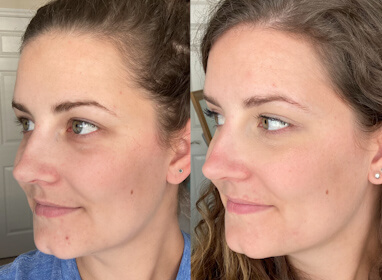
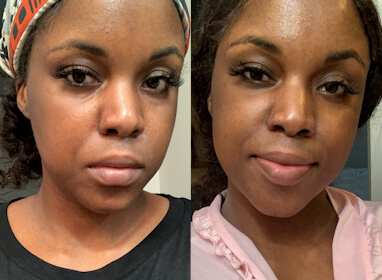
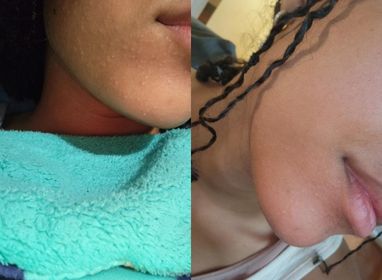
What is caffeine in skincare?
Caffeine is a methylxanthine alkaloid extracted from coffee beans, tea leaves and cacao. Applied topically it is a vasoconstrictor – it narrows small blood vessels – and it penetrates the skin readily because it is soluble in both water and oil.
It is also a respectable antioxidant. Reviews of its cosmetic and protective roles cover free-radical scavenging, UV-damage mitigation and effects on skin microcirculation.
What skin concerns does caffeine treat?
Its best-known use is the eye area, where vasoconstriction reduces puffiness and can lighten the bluish cast of dark circles caused by pooled blood. Results are real but temporary, lasting hours rather than days.
It is also used in body products for the temporary smoothing of cellulite by encouraging fat breakdown and reducing fluid retention, and its antioxidant activity supports broader anti-ageing routines.
What ingredients are best paired with caffeine?
In eye products it works well with peptides for firmness, niacinamide for pigmentation in the under-eye area, and hyaluronic acid for hydration – dehydrated under-eyes look darker regardless of circulation.
For body use it is paired with retinol and hydrating oils. Caffeine is non-irritating and combines safely with almost every active, so it is easy to add to an existing routine. Take our Skin Quiz.
What is oily skin?
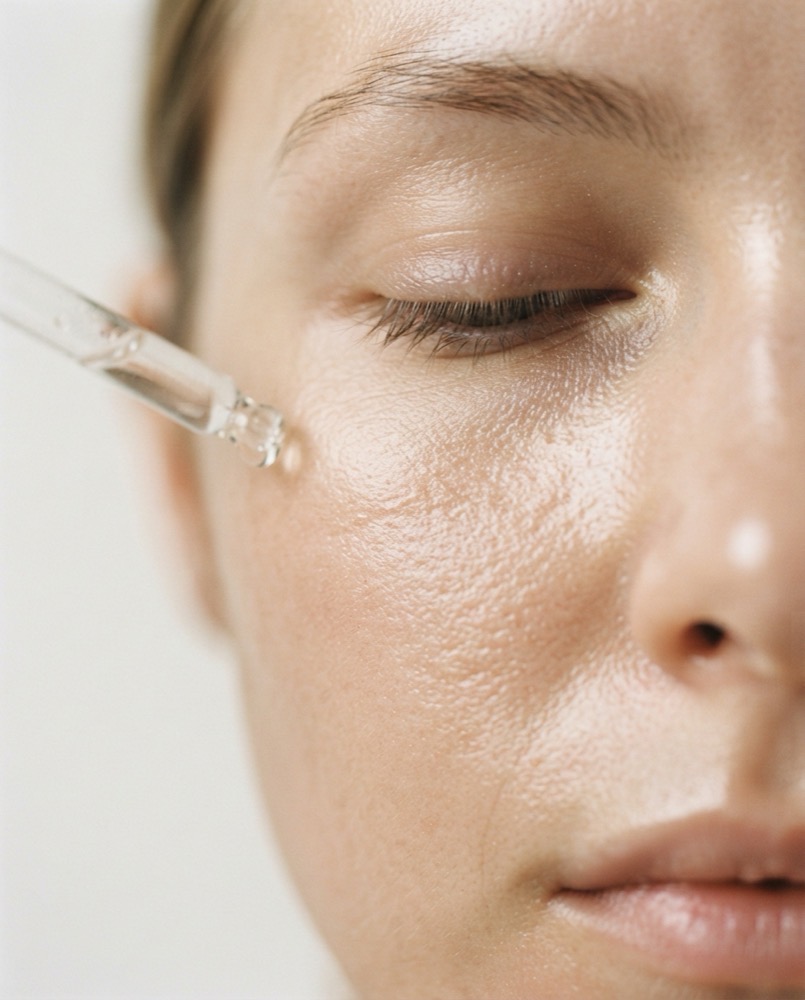
Oily skin is a skin type in which the sebaceous glands produce more sebum than the skin needs. It shows up as shine through the T-zone within hours of cleansing, visibly enlarged pores, makeup that slides or separates, and a tendency towards blackheads and congestion.
Sebum itself is not the enemy – it carries vitamin E to the surface, keeps the barrier supple and helps oily skin hold its structure, which is why it often shows fine lines later than dry skin does.
What causes oily skin?
Genetics and androgen activity are the primary drivers of how much sebum your glands produce. Heat and humidity increase output measurably, and hormonal fluctuations across the monthly cycle, pregnancy or puberty shift it again.
Stress, a diet heavy in refined carbohydrates, and – counter-intuitively – over-cleansing with stripping foams or alcohol-based toners all push oil production up, because skin compensates for a damaged barrier by making more.
What ingredients are best for oily skin?
Look for salicylic acid (a BHA that is oil-soluble, so it clears inside the pore), niacinamide and zinc to regulate sebum, clay such as bentonite or kaolin for weekly absorption, and retinoids or azelaic acid to normalise how pores shed.
Do not skip hydration: lightweight humectants like hyaluronic acid and glycerin, plus non-comedogenic squalane or jojoba oil, keep the barrier intact so the skin stops over-compensating. Skip heavy occlusive balms and high-alcohol toners. Take our Skin Quiz to get the balance right for your skin.