What is cacay oil in skincare?
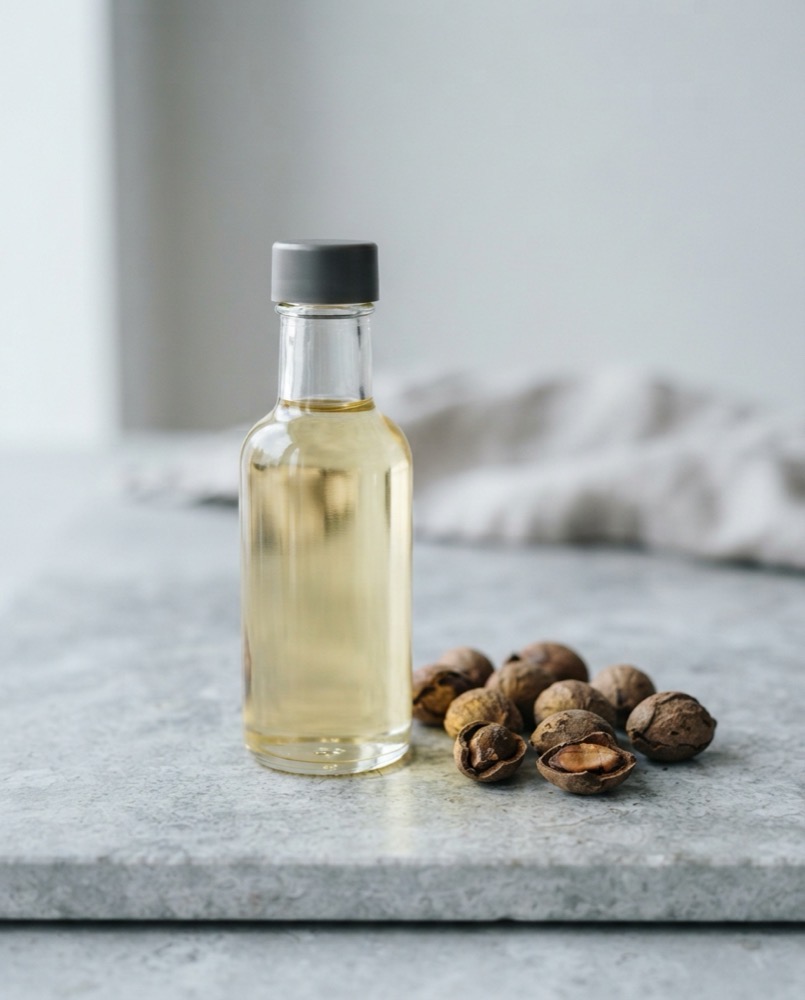
Cacay oil is pressed from the nuts of the cacay tree, which grows in the Amazon basin of Colombia and Peru. It is a relative newcomer to Western skincare and is marketed as a natural source of retinol.
Its composition is genuinely distinctive: a high proportion of linoleic acid, roughly three times the vitamin E of argan oil, and naturally occurring retinol at levels reported to be considerably higher than rosehip oil. Like other linoleic-rich plant oils it supports barrier repair rather than weighing skin down.
What skin concerns does cacay oil treat?
Its retinol content gives it a mild effect on fine lines, uneven tone and texture, without the irritation of a formulated retinoid – useful for people whose skin cannot tolerate one.
The linoleic acid suits dehydrated, combination and mildly acne-prone skin, and the vitamin E provides antioxidant protection. It absorbs quickly and does not leave a greasy film.
What ingredients are best paired with cacay oil?
Layer it over hyaluronic acid and alongside ceramides and niacinamide. It is a sensible bridge for someone easing towards retinoids.
Because it contains vitamin A compounds, use it at night and keep wearing SPF, and introduce it gradually if you already use a retinoid. Expect a gentle, cumulative effect rather than retinol-strength results. Take our Skin Quiz.
What are sun spots?
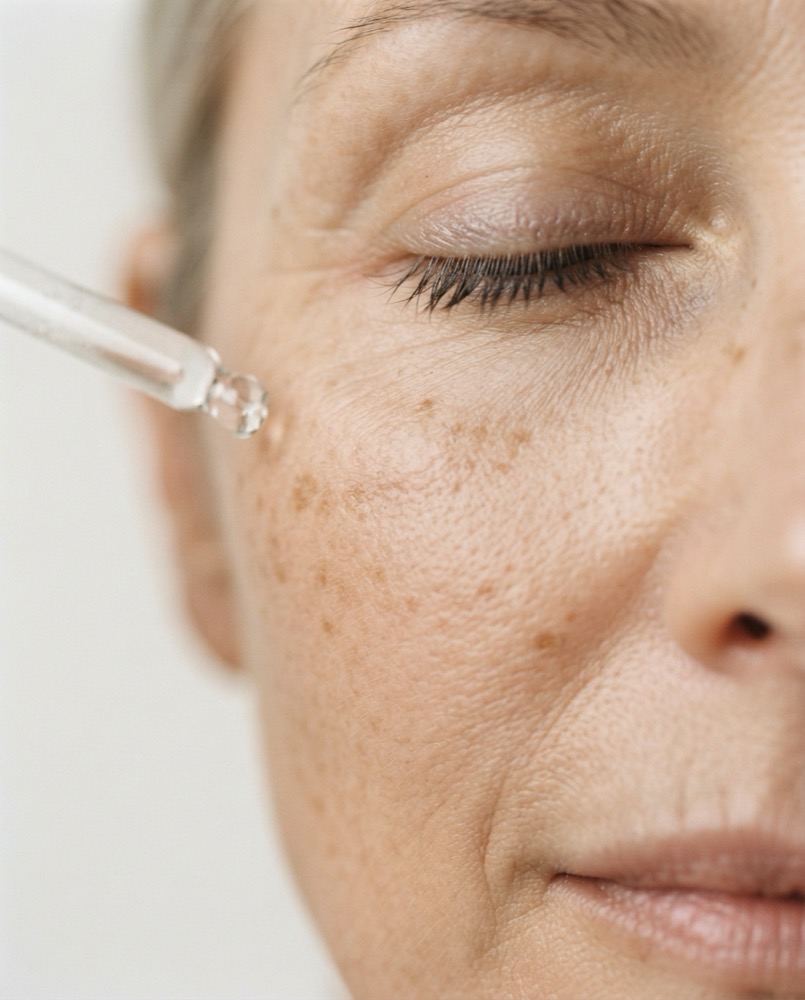
Sun spots are flat patches of concentrated pigment that form where skin has taken the most ultraviolet exposure – cheeks, nose, forehead, hands, shoulders and chest. Dermatologists call them solar lentigines; they are the same thing as age spots.
They are harmless, but they are a visible marker of accumulated photodamage, and they usually arrive alongside other signs of it: fine lines, loss of firmness and an uneven overall tone.
What causes sun spots?
UV radiation prompts melanocytes to produce extra melanin as a defence. With repeated exposure that response becomes localised and fixed, leaving discrete patches instead of an even tan that fades.
Tanning beds, sunburns in childhood, fair skin and outdoor time without protection all increase the count. Incidental exposure – driving, walking, sitting near a window – adds up more than most people expect.
What ingredients are best for sun spots?
Retinoids to accelerate turnover, vitamin C to protect and brighten, and pigment inhibitors such as alpha arbutin, kojic acid, azelaic acid, tranexamic acid and liquorice root are the core toolkit.
Gentle AHAs help shift surface pigment, and niacinamide slows the transfer of melanin into skin cells. None of it holds without daily broad-spectrum SPF and reapplication. Take our Skin Quiz.