

What is cacay oil in skincare?
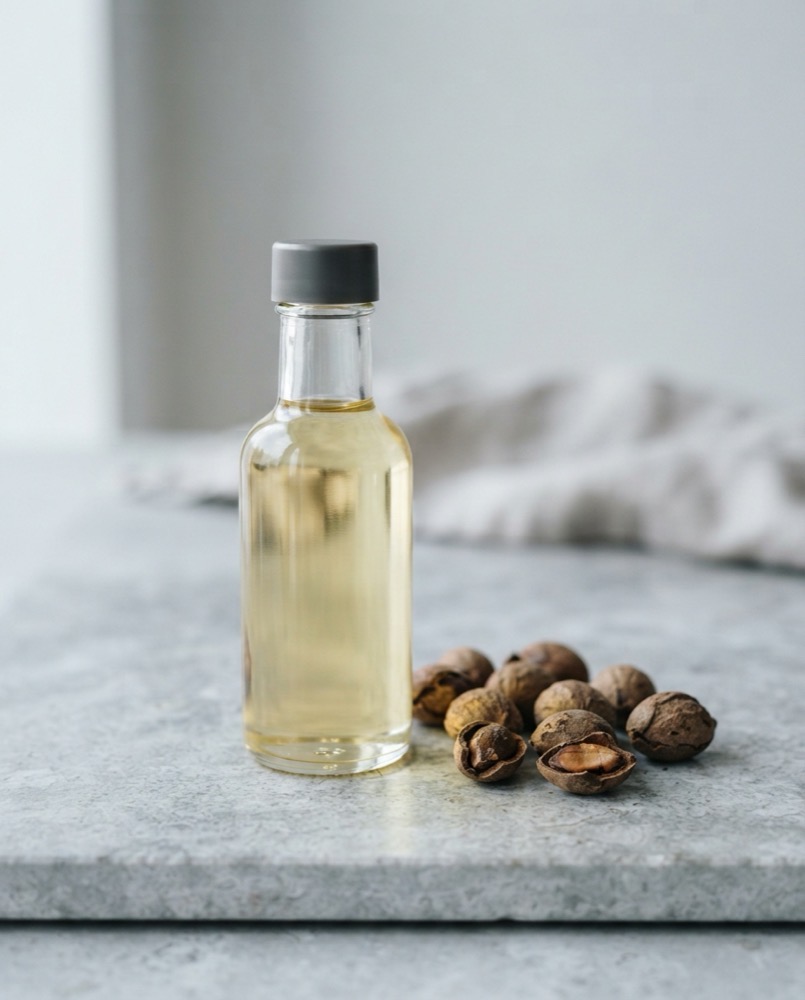
Cacay oil is pressed from the nuts of the cacay tree, which grows in the Amazon basin of Colombia and Peru. It is a relative newcomer to Western skincare and is marketed as a natural source of retinol.
Its composition is genuinely distinctive: a high proportion of linoleic acid, roughly three times the vitamin E of argan oil, and naturally occurring retinol at levels reported to be considerably higher than rosehip oil. Like other linoleic-rich plant oils it supports barrier repair rather than weighing skin down.
What skin concerns does cacay oil treat?
Its retinol content gives it a mild effect on fine lines, uneven tone and texture, without the irritation of a formulated retinoid – useful for people whose skin cannot tolerate one.
The linoleic acid suits dehydrated, combination and mildly acne-prone skin, and the vitamin E provides antioxidant protection. It absorbs quickly and does not leave a greasy film.
What ingredients are best paired with cacay oil?
Layer it over hyaluronic acid and alongside ceramides and niacinamide. It is a sensible bridge for someone easing towards retinoids.
Because it contains vitamin A compounds, use it at night and keep wearing SPF, and introduce it gradually if you already use a retinoid. Expect a gentle, cumulative effect rather than retinol-strength results. Take our Skin Quiz.
What is rosacea?
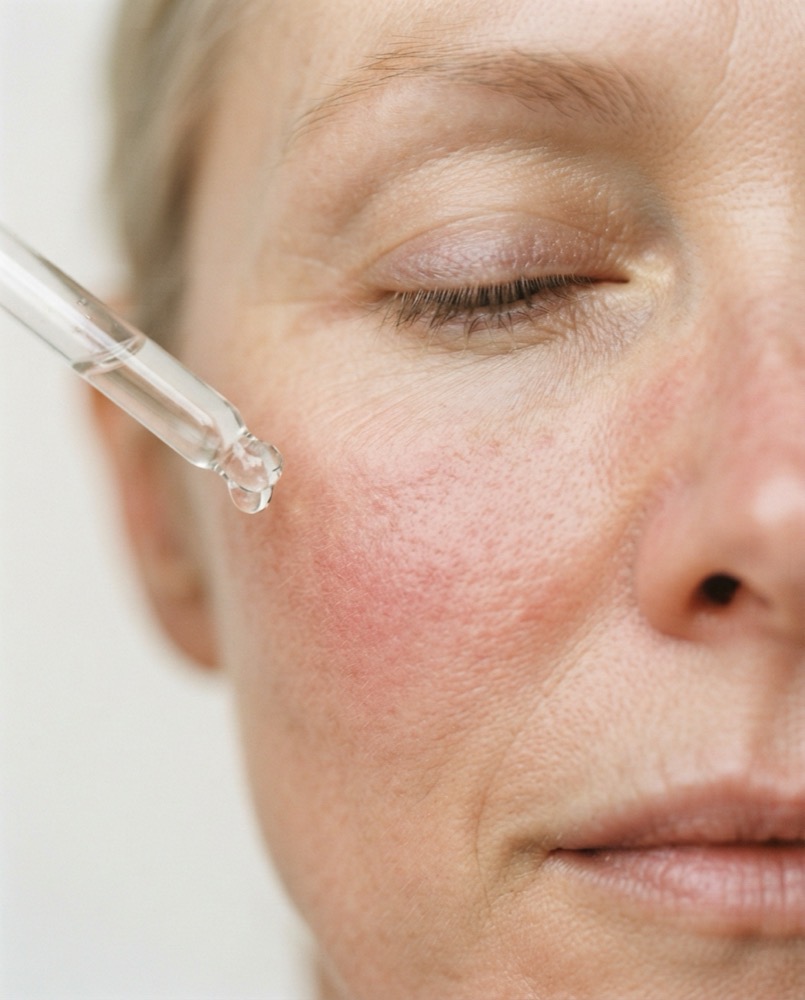
Rosacea is a chronic inflammatory skin condition that affects the central face – cheeks, nose, chin and forehead. It presents as persistent redness, visible broken capillaries, flushing that comes and goes, and in some subtypes acne-like papules and pustules.
Unlike acne, rosacea involves no comedones. It is driven by a combination of vascular hyper-reactivity, neurogenic inflammation and an overactive innate immune response, often with an impaired skin barrier alongside.
What causes rosacea?
There is no single cause. Genetic predisposition, an exaggerated immune response involving cathelicidin, overgrowth of Demodex mites, and dysfunction of the facial blood vessels all appear to contribute.
Flares are triggered by heat, sun exposure, alcohol, spicy food, hot drinks, exercise, stress, wind and cold, and by harsh skincare. Identifying and avoiding your own trigger set does as much as any product.
What ingredients are best for rosacea?
Azelaic acid and niacinamide are the standout actives – both reduce redness and inflammation without provoking the barrier. Sulphur, green tea extract, liquorice root and centella asiatica also calm reactive skin.
Build everything else around barrier repair: ceramides, glycerin, squalane and panthenol, with a gentle non-foaming cleanser and a mineral SPF every day. Avoid alcohol-heavy toners, fragrance, menthol, physical scrubs and high-strength acids. Take our Skin Quiz to build a routine your skin will tolerate.