What is cacay oil in skincare?
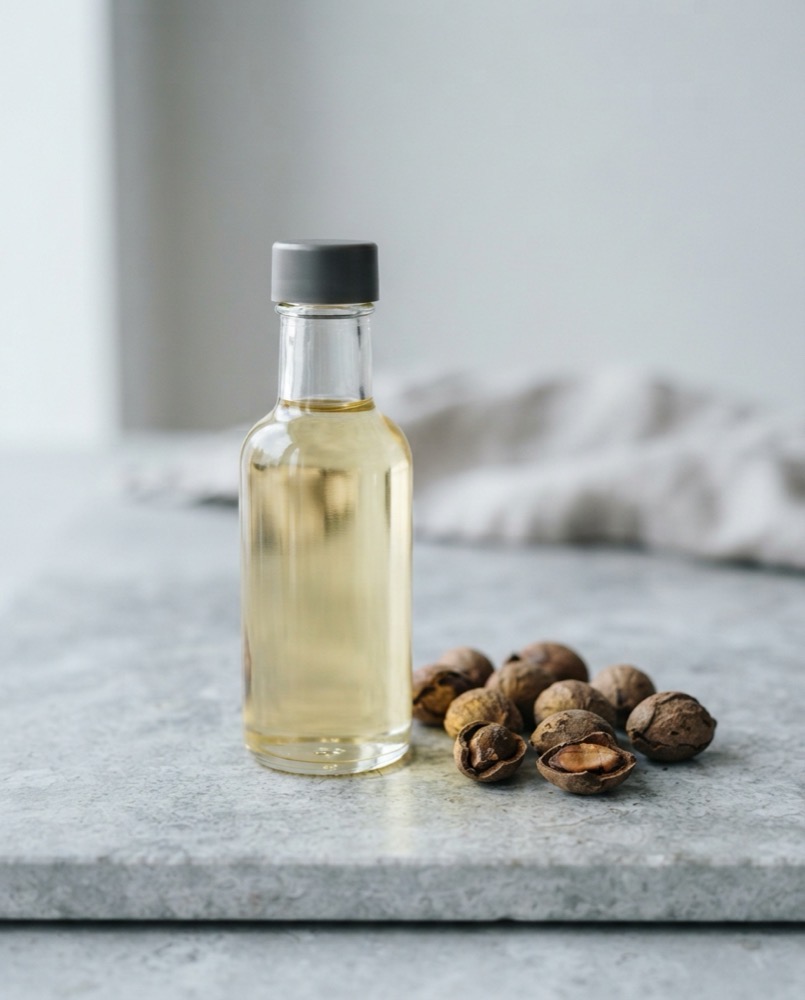
Cacay oil is pressed from the nuts of the cacay tree, which grows in the Amazon basin of Colombia and Peru. It is a relative newcomer to Western skincare and is marketed as a natural source of retinol.
Its composition is genuinely distinctive: a high proportion of linoleic acid, roughly three times the vitamin E of argan oil, and naturally occurring retinol at levels reported to be considerably higher than rosehip oil. Like other linoleic-rich plant oils it supports barrier repair rather than weighing skin down.
What skin concerns does cacay oil treat?
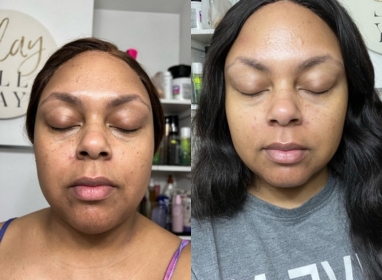
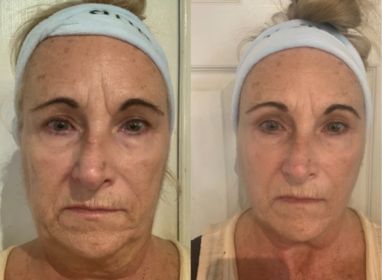
Its retinol content gives it a mild effect on fine lines, uneven tone and texture, without the irritation of a formulated retinoid – useful for people whose skin cannot tolerate one.
The linoleic acid suits dehydrated, combination and mildly acne-prone skin, and the vitamin E provides antioxidant protection. It absorbs quickly and does not leave a greasy film.
What ingredients are best paired with cacay oil?
Layer it over hyaluronic acid and alongside ceramides and niacinamide. It is a sensible bridge for someone easing towards retinoids.
Because it contains vitamin A compounds, use it at night and keep wearing SPF, and introduce it gradually if you already use a retinoid. Expect a gentle, cumulative effect rather than retinol-strength results. Take our Skin Quiz.
What are fine lines?
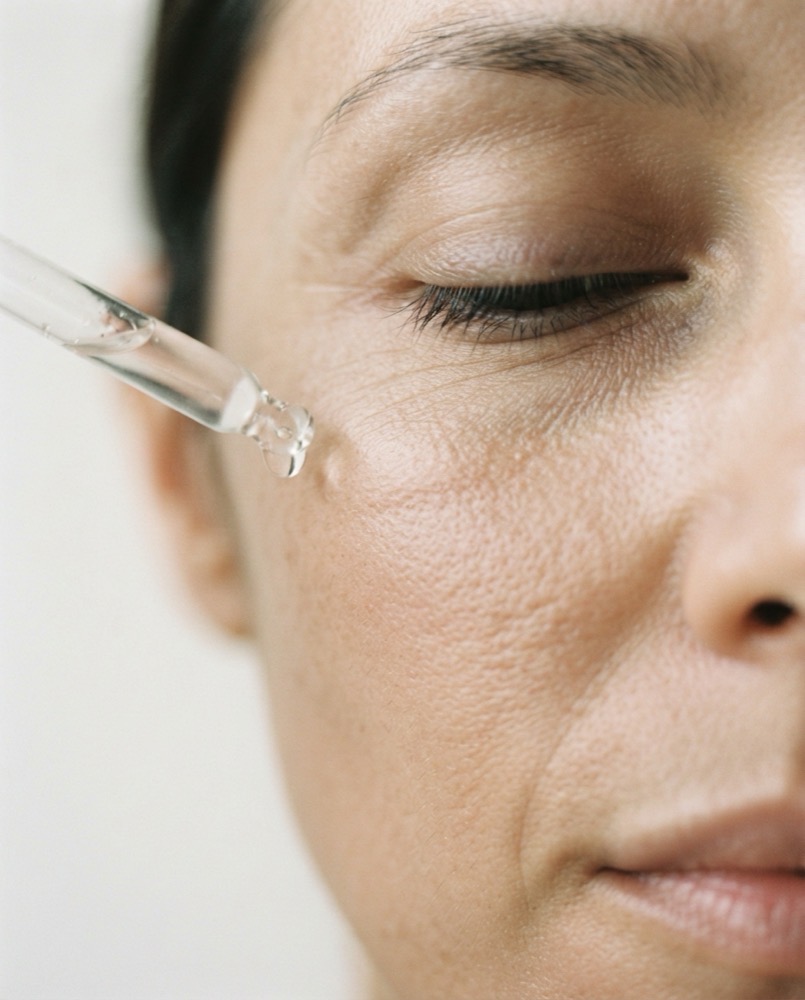
Fine lines are the earliest visible sign of skin ageing: shallow creases that appear where skin is thinnest and most expressive – around the eyes, across the forehead, and at the corners of the mouth.
They differ from established wrinkles in that they are often still dynamic, showing mainly when you smile or squint, and are frequently worsened by dehydration. That makes them the most responsive stage to treat.
What causes fine lines?
Intrinsic ageing does part of the work: collagen production falls by roughly one per cent a year from the mid-twenties, elastin degrades, and the dermal matrix thins so skin no longer springs back.
The larger share is external. Ultraviolet exposure accounts for the majority of visible facial ageing, and pollution, smoking, poor sleep, sugar-driven glycation and repeated facial movement all accelerate it. Dehydration makes existing lines look deeper than they are.
What ingredients are best for fine lines?
Retinol and prescription retinoids have the strongest evidence for stimulating collagen and smoothing texture. Vitamin C protects against free-radical damage while supporting collagen synthesis, and peptides signal the skin to rebuild.
Pair those with hyaluronic acid and ceramides for immediate plumping and barrier support, niacinamide for tone, gentle AHAs for surface renewal, and coenzyme Q10 as an antioxidant. Daily broad-spectrum SPF protects everything else you are doing. Take our Skin Quiz.