What is BHA in skincare?
BHA stands for beta-hydroxy acid, and in skincare it almost always means salicylic acid. The defining difference from AHAs is solubility: BHA dissolves in oil, so it can move through sebum and exfoliate inside the pore rather than only on the surface.
It is also anti-inflammatory, which is why a blemish treated with BHA often looks less angry as well as less congested. Typical over-the-counter strengths are 0.5% to 2%.
What skin concerns does BHA treat?
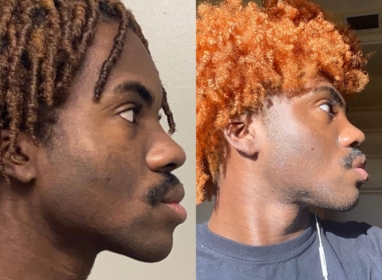
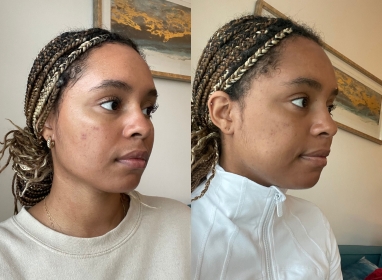
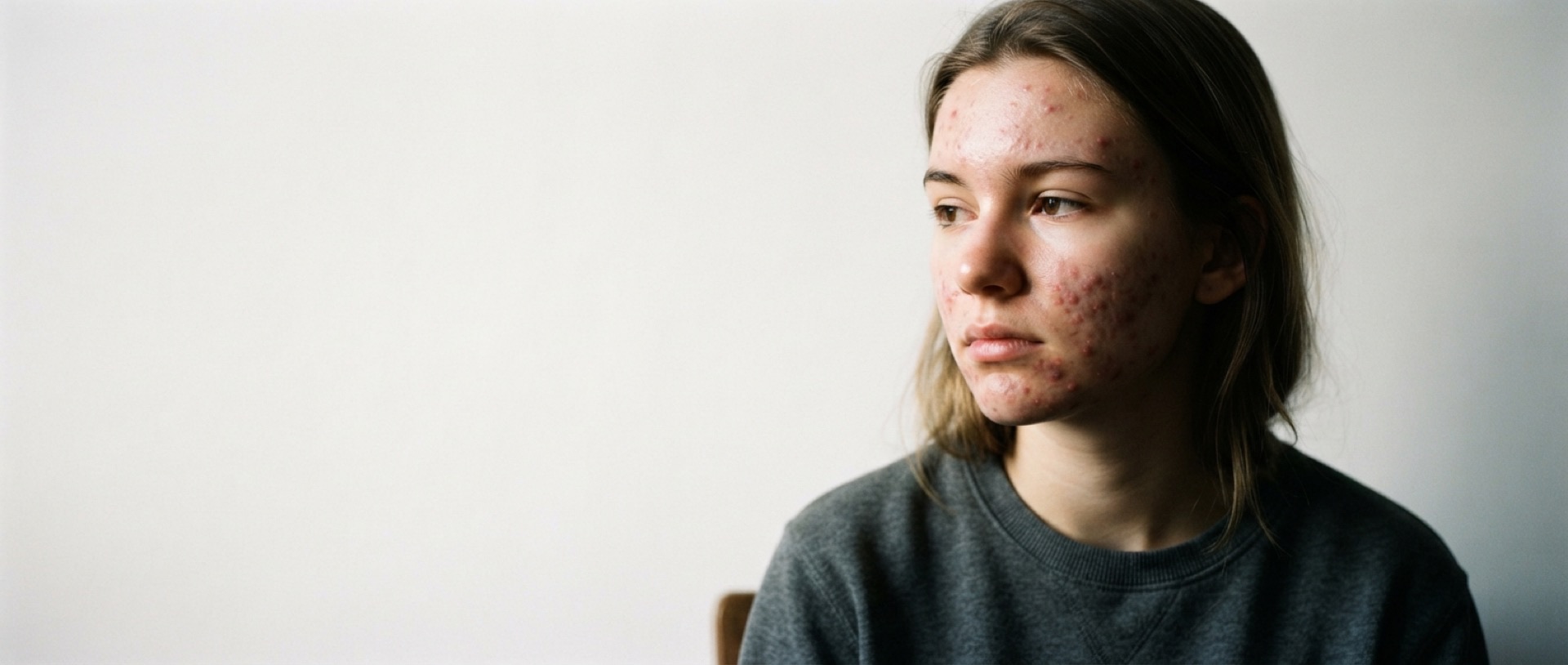
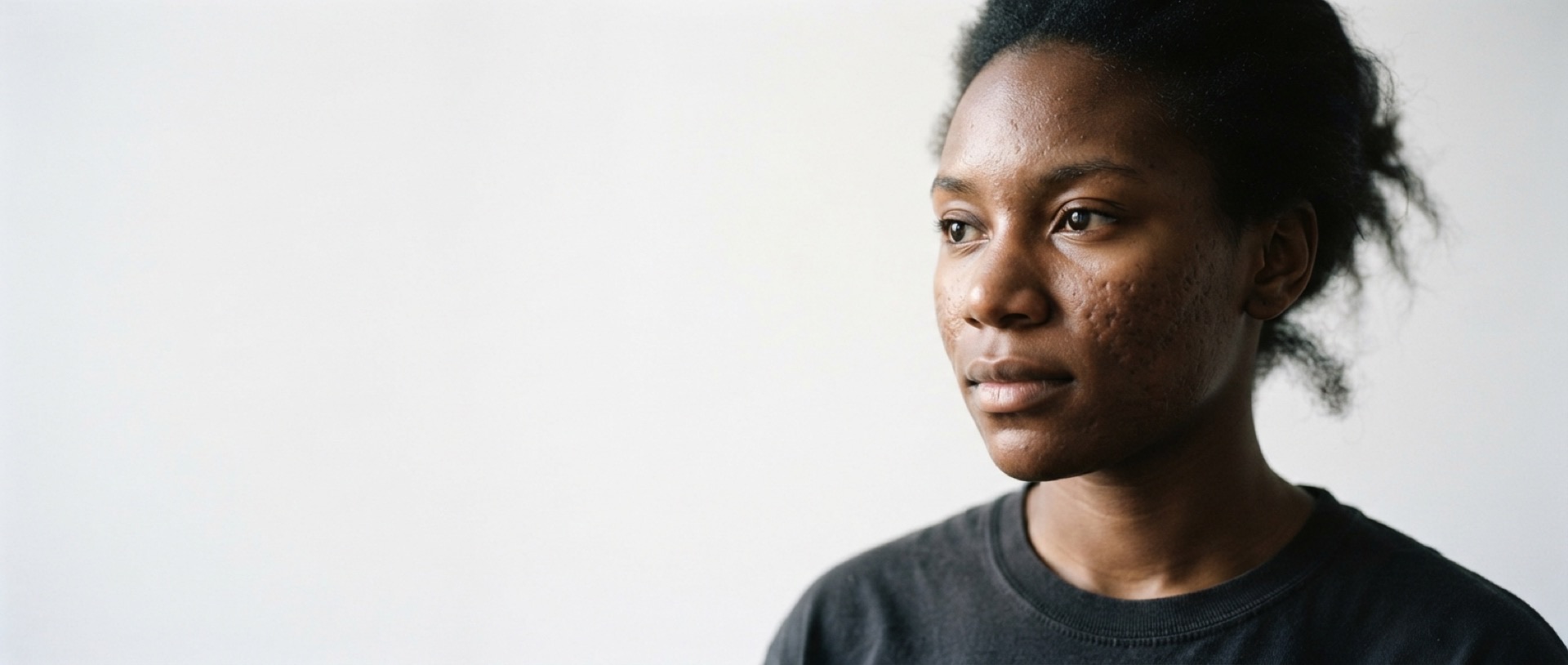
Blackheads, whiteheads, congestion and mild to moderate acne respond best, because BHA clears the plug where it forms. It also smooths rough texture, helps keratosis pilaris and manages body and back breakouts.
Oily and combination skin see the most benefit, though even dry skin can use a low-strength BHA occasionally for congestion around the nose and chin.
What ingredients are best paired with BHA?
Niacinamide is the natural partner – it regulates oil and strengthens the barrier without competing. Hyaluronic acid, ceramides and glycerin replace the moisture exfoliation costs.
Azelaic acid and benzoyl peroxide complement it for acne, usually used at opposite ends of the day. Avoid stacking BHA with AHAs or retinoids in one step until your skin is used to it, and wear SPF daily. Take our Skin Quiz.
What are age spots?
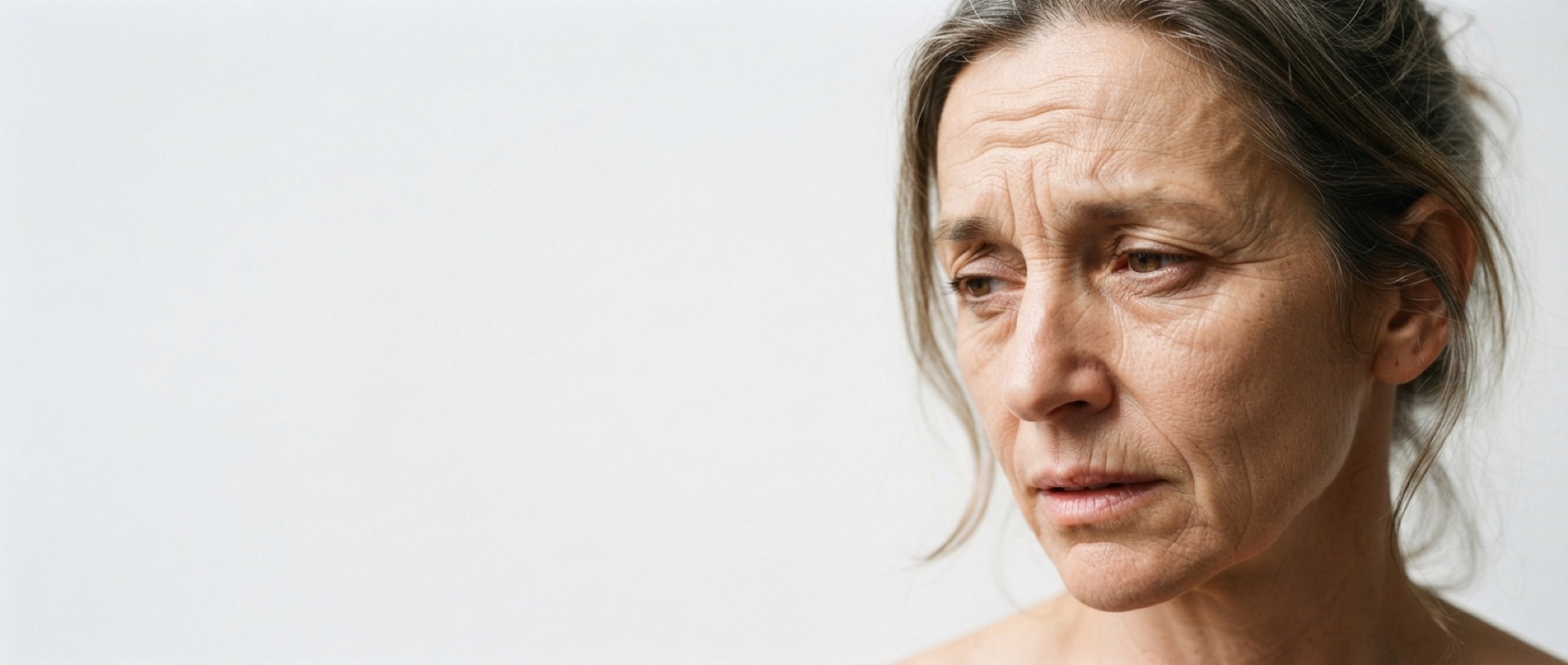
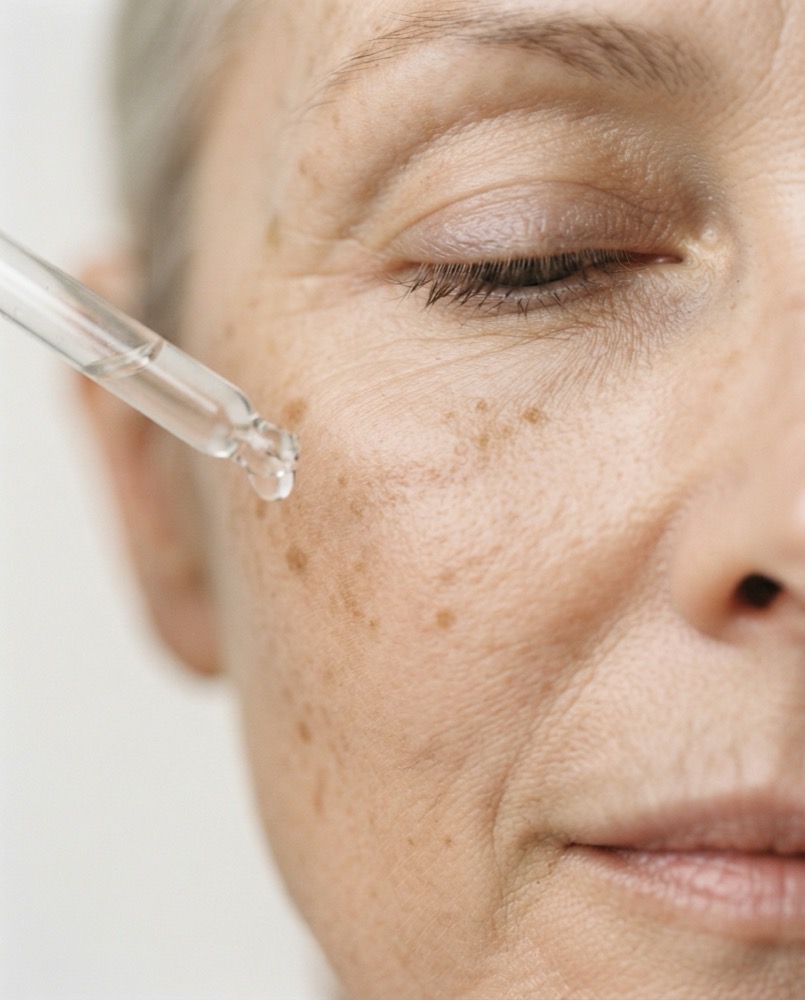
Age spots – known clinically as solar lentigines, and sometimes as liver spots – are flat, well-defined brown or tan patches that appear on skin with the most cumulative sun exposure: the face, backs of the hands, forearms, shoulders and upper chest.
Despite the name, they are not caused by age itself. They are a record of ultraviolet exposure, which is why they are common from the forties onward and why they cluster on areas that rarely get sunscreen.
What causes age spots?
Long-term UV exposure drives melanocytes to over-produce melanin in concentrated spots, and the surrounding keratinocytes stop clearing that pigment efficiently as skin ages.
Fair skin, a history of sunburns, tanning beds and outdoor work all raise the risk. Any new spot that changes shape, colour or size, bleeds or has an irregular border should be checked by a doctor rather than treated cosmetically.
What ingredients are best for age spots?
Topical treatment works but needs patience – expect three to six months. Retinoids speed turnover so pigmented cells shed faster, vitamin C and niacinamide brighten and protect, and alpha arbutin, kojic acid, azelaic acid and liquorice root inhibit new pigment.
Glycolic or lactic acid helps lift existing pigment from the surface. Daily broad-spectrum SPF, including on hands and chest, is what prevents new spots forming. Take our Skin Quiz.