

What is bentonite clay in skincare?
Bentonite clay forms when volcanic ash weathers in seawater, converting volcanic glass into fine clay particles. Its dominant mineral is montmorillonite, which carries a strong negative surface charge when wet.
That charge is the mechanism. It attracts positively charged particles – sebum components, dirt, some bacteria – and binds them for rinsing away. Reviews of bentonite as a natural remedy document that adsorptive capacity alongside antibacterial and anti-inflammatory activity.
What skin concerns does bentonite clay treat?
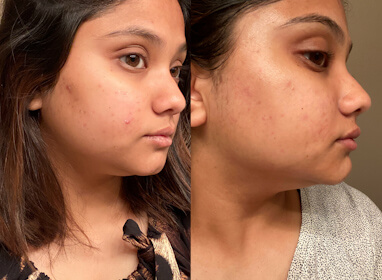
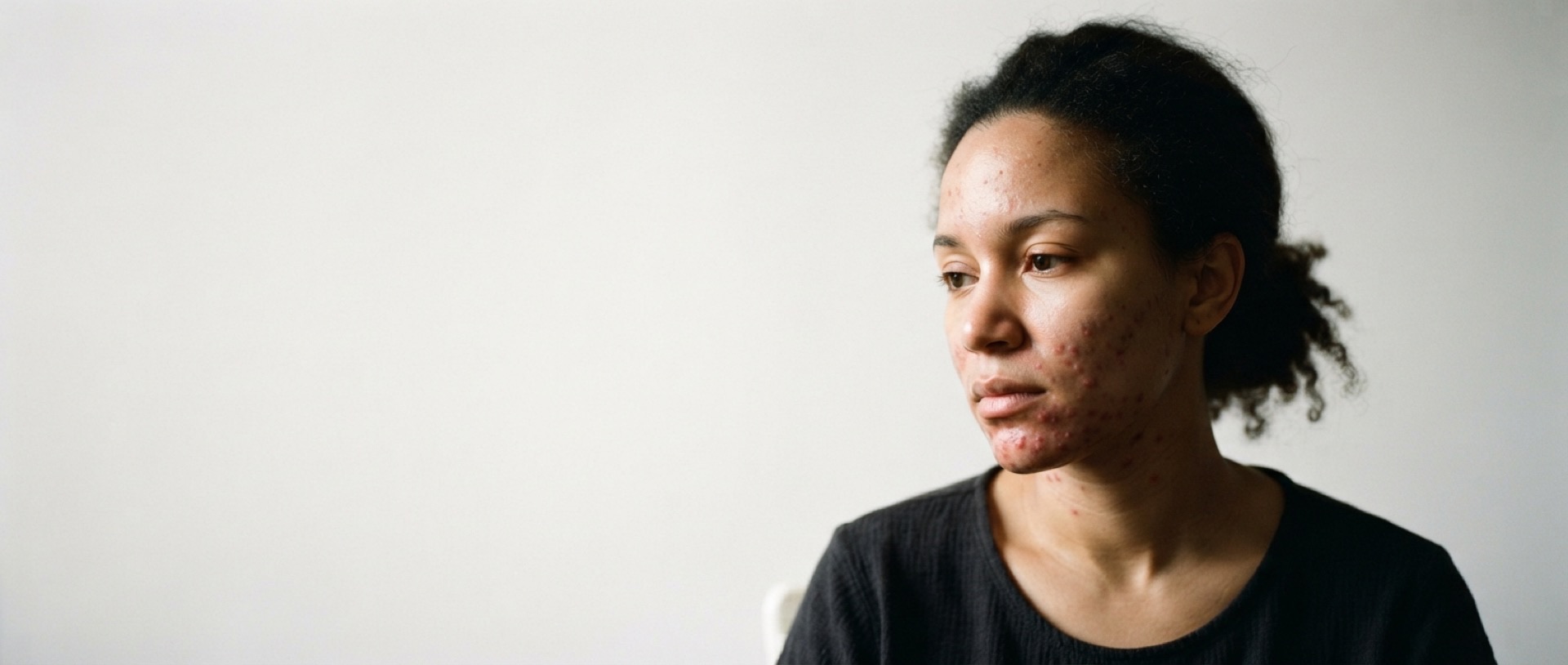
It is one of the most absorbent cosmetic clays, which makes it a strong fit for oily skin, congestion and body or back acne. It also appears in some sunscreens, where it improves how well the product stays on the skin.
Research on bentonites and montmorillonites points to cutaneous benefits including barrier support and irritation relief. Its strength is also its risk: on dry or sensitive skin it strips too much, leaving tightness and rebound oil.
What ingredients are best paired with bentonite clay?
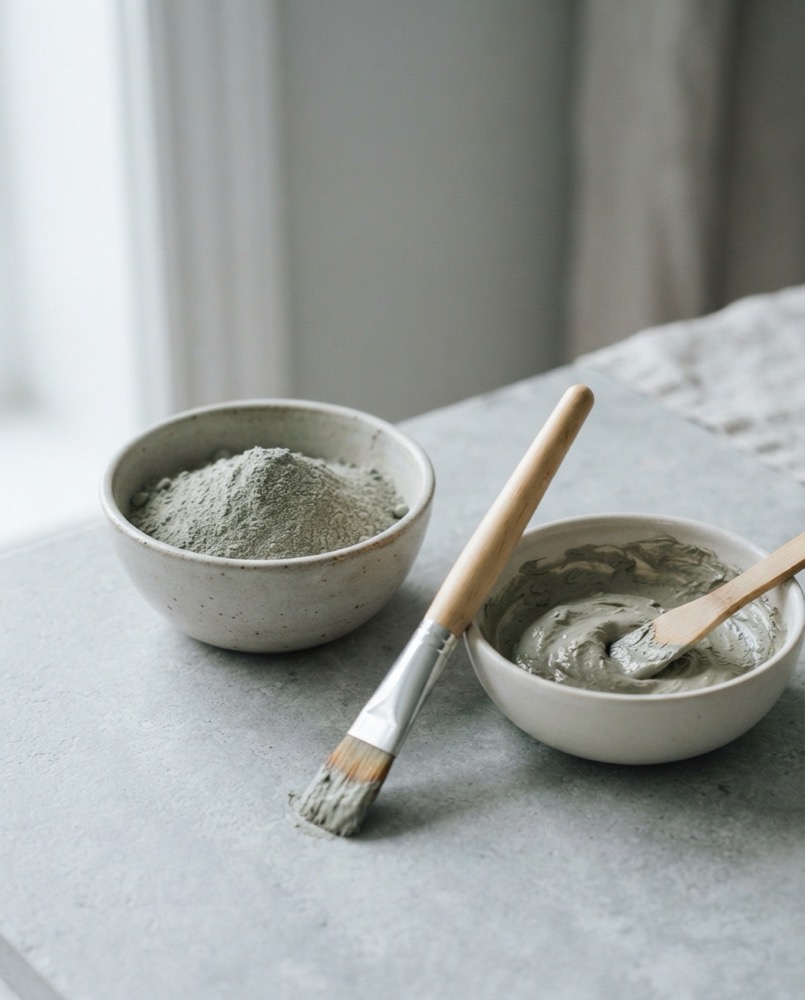
Mix it with water or a hydrosol rather than vinegar, which adds needless irritation, and pair it with glycerin, aloe, honey or colloidal oatmeal to buffer the drying.
Follow every mask with a hydrating serum and moisturiser. Because it is a natural mineral there is some risk of heavy-metal contamination, so choose a brand that publishes purity testing. Use once weekly, not daily. Take our Skin Quiz.
What is dry skin?
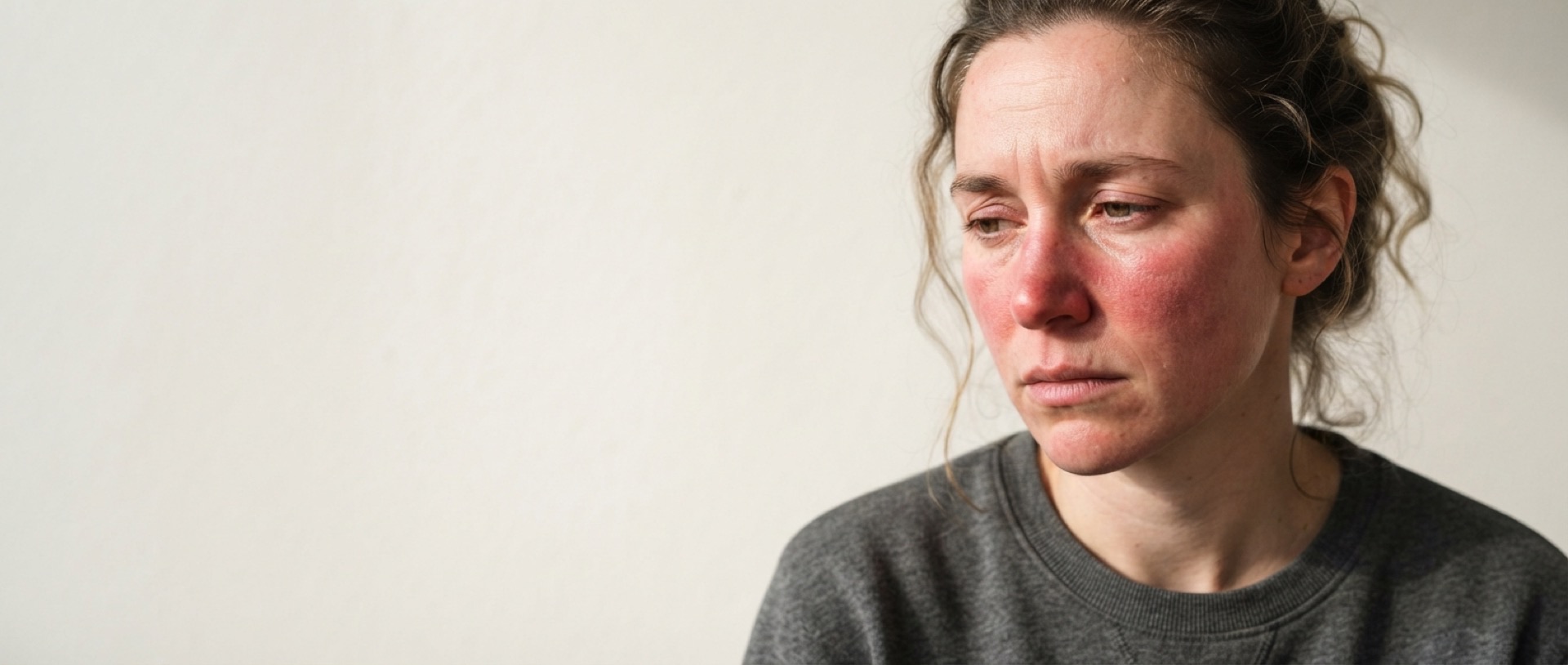
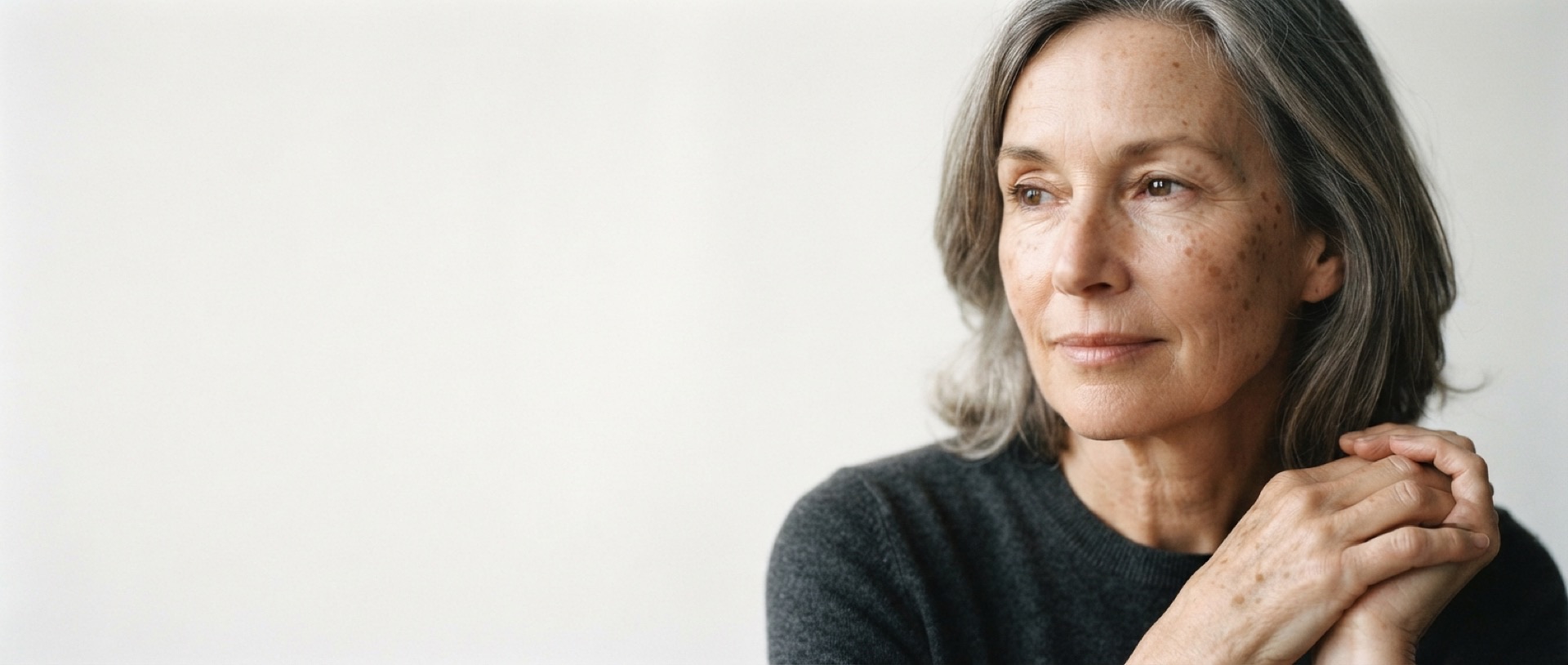
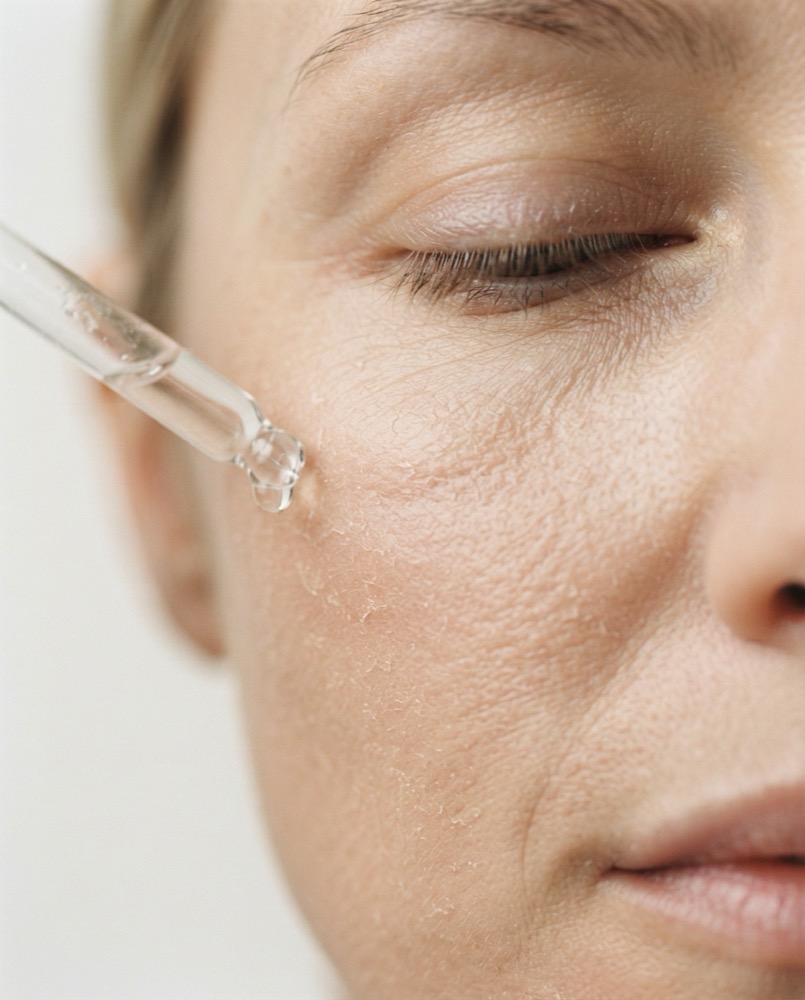
Dry skin – xerosis in clinical terms – is a skin type that lacks oil rather than water. It feels tight after cleansing, looks flaky or rough, may show fine cracking, and often reads dull because the uneven surface scatters light.
It is worth separating dry skin from dehydrated skin: dryness is a lack of lipids and is usually lifelong, while dehydration is a temporary lack of water and can happen to oily skin too. Many people have both at once.
What causes dry skin?
At the root is a compromised moisture barrier. When ceramides, cholesterol, fatty acids and natural moisturising factors run low, water evaporates out of the skin faster than it can be replaced.
Age, genetics, cold weather and low humidity, long hot showers, harsh surfactants, over-exfoliation, some medications, and conditions such as eczema and psoriasis all deplete those lipids. Consistent moisturising is the single intervention with the strongest evidence behind it.
What ingredients are best for dry skin?
Rebuild in layers. Humectants such as hyaluronic acid, glycerin, urea and panthenol draw water in; emollients such as squalane, jojoba oil and shea butter smooth the surface; and occlusives seal the whole thing in.
Ceramides, cholesterol and fatty acids are the priority, because they replace exactly what a dry barrier is missing, with niacinamide helping the skin make more of its own. Apply to damp skin, and swap foaming cleansers for cream or oil-based ones. Take our Skin Quiz to find the right combination for your skin.