

What is bentonite clay in skincare?
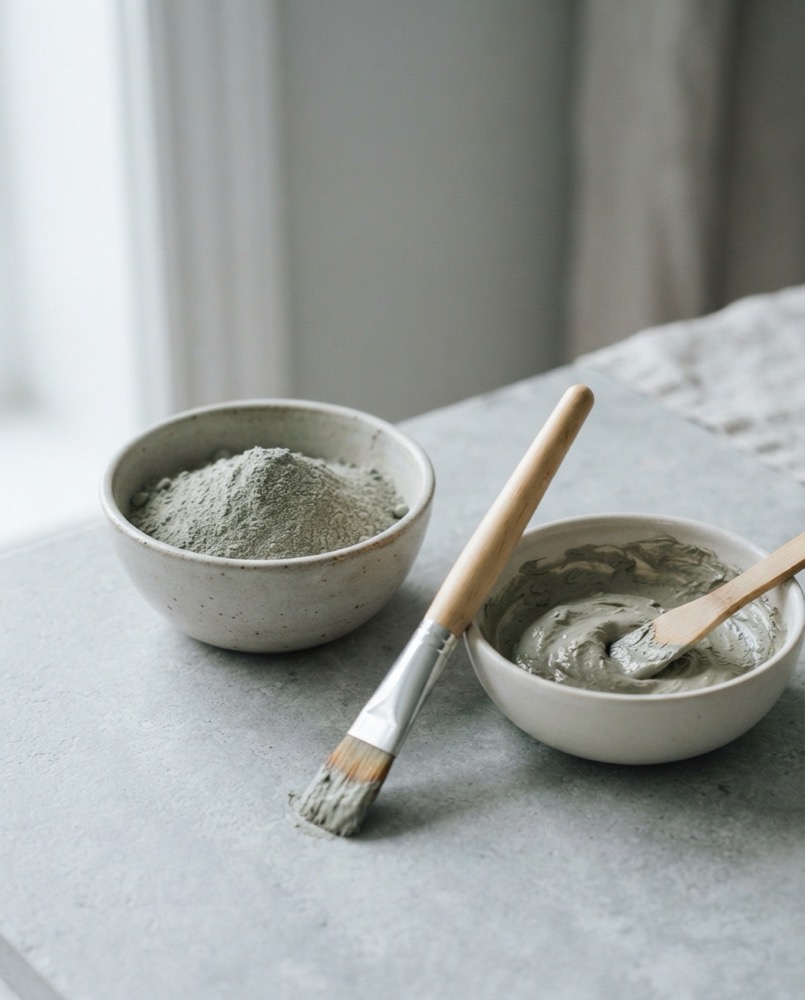
Bentonite clay forms when volcanic ash weathers in seawater, converting volcanic glass into fine clay particles. Its dominant mineral is montmorillonite, which carries a strong negative surface charge when wet.
That charge is the mechanism. It attracts positively charged particles – sebum components, dirt, some bacteria – and binds them for rinsing away. Reviews of bentonite as a natural remedy document that adsorptive capacity alongside antibacterial and anti-inflammatory activity.
What skin concerns does bentonite clay treat?
It is one of the most absorbent cosmetic clays, which makes it a strong fit for oily skin, congestion and body or back acne. It also appears in some sunscreens, where it improves how well the product stays on the skin.
Research on bentonites and montmorillonites points to cutaneous benefits including barrier support and irritation relief. Its strength is also its risk: on dry or sensitive skin it strips too much, leaving tightness and rebound oil.
What ingredients are best paired with bentonite clay?
Mix it with water or a hydrosol rather than vinegar, which adds needless irritation, and pair it with glycerin, aloe, honey or colloidal oatmeal to buffer the drying.
Follow every mask with a hydrating serum and moisturiser. Because it is a natural mineral there is some risk of heavy-metal contamination, so choose a brand that publishes purity testing. Use once weekly, not daily. Take our Skin Quiz.
What is crepey skin?
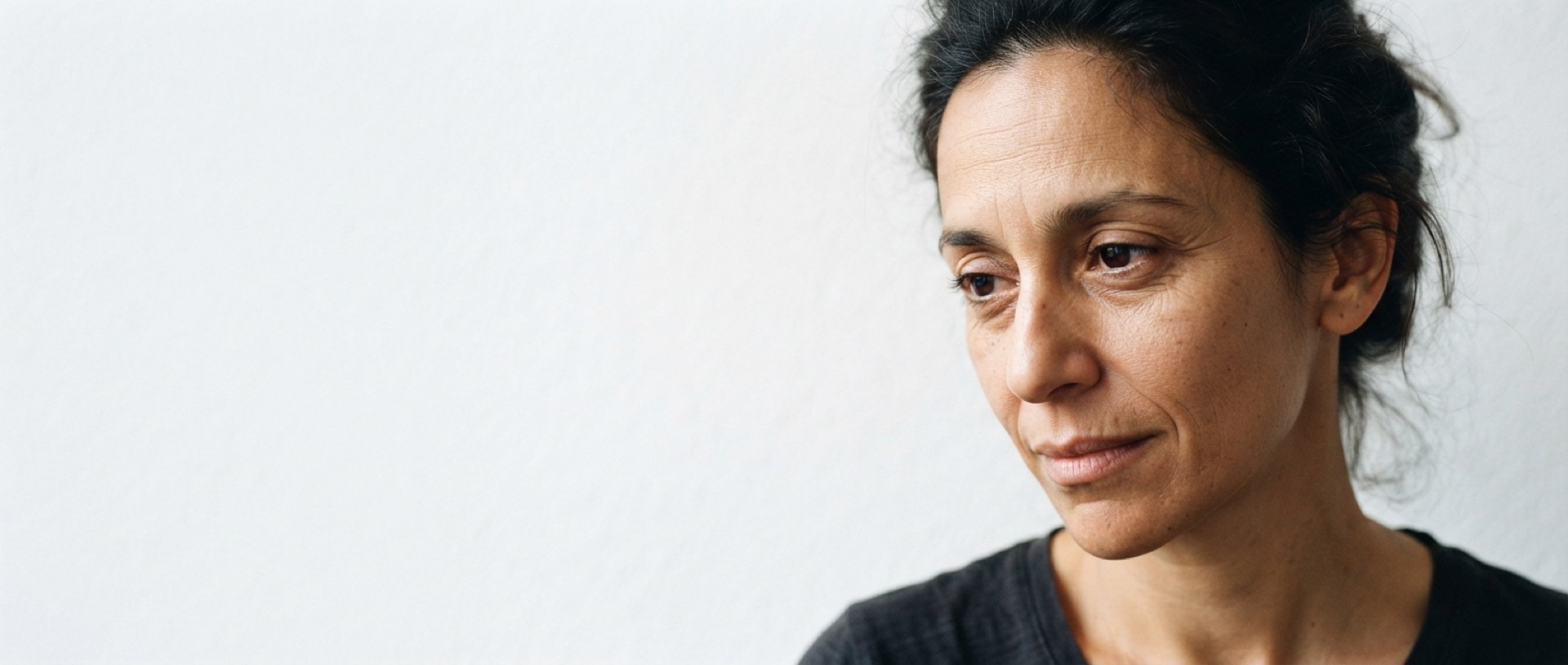
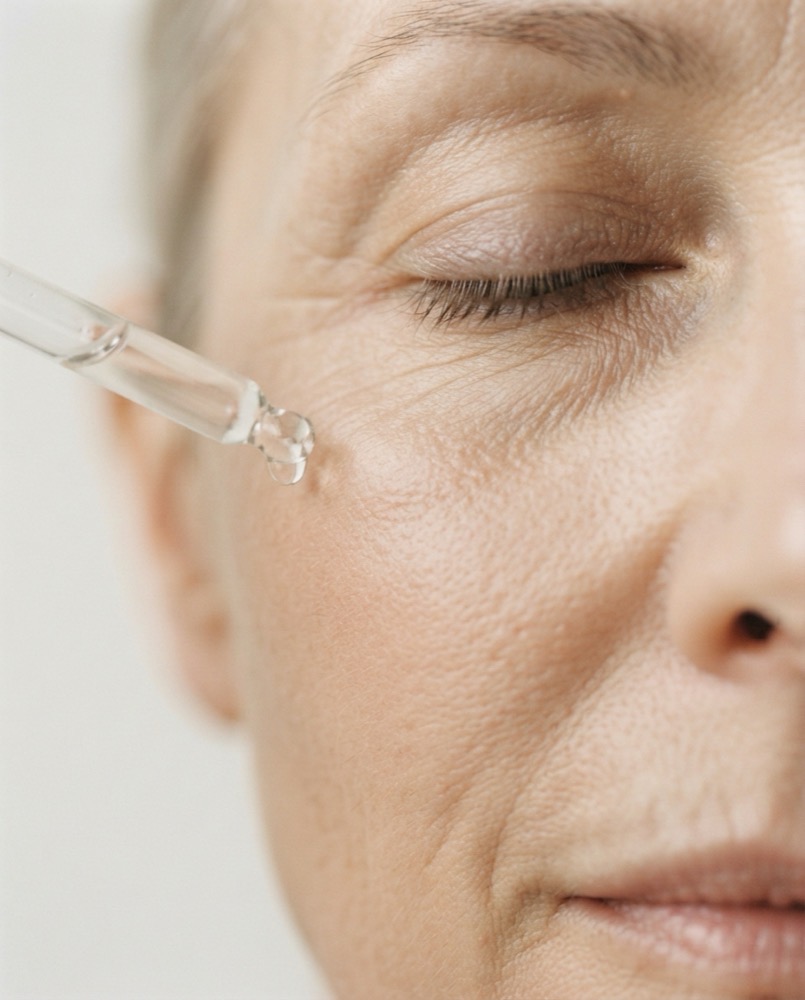
Crepey skin is skin that has become thin, loose and finely wrinkled, with the papery texture of crepe paper. It differs from ordinary wrinkles in that it affects a broad area rather than forming distinct lines, and it appears most on the under-eyes, neck, décolletage, upper arms and inner thighs.
The hallmark is loss of elasticity: pinched skin takes longer to snap back, and the surface looks crinkled even at rest.
What causes crepey skin?
The main driver is degradation of the elastin network in the dermis. Cumulative ultraviolet exposure breaks down elastic fibres and replaces them with disorganised material – the process called solar elastosis – while collagen production falls at the same time.
Age, chronic dehydration, significant weight loss, smoking, and the natural drop in oestrogen around menopause all accelerate it. Body areas get less skincare attention than the face, which is why crepiness often shows there first.
What ingredients are best for crepey skin?
Retinoids remain the best-evidenced option for rebuilding collagen and thickening the dermis over months of use. Peptides support elastin and collagen signalling, and vitamin C protects existing fibres while aiding synthesis.
Layer those over rich hydration – hyaluronic acid, glycerin, ceramides, squalane and shea butter – which visibly improves the crinkled look even before structural change happens. Daily SPF on neck, chest and hands prevents further breakdown. Take our Skin Quiz.