What is bentonite clay in skincare?
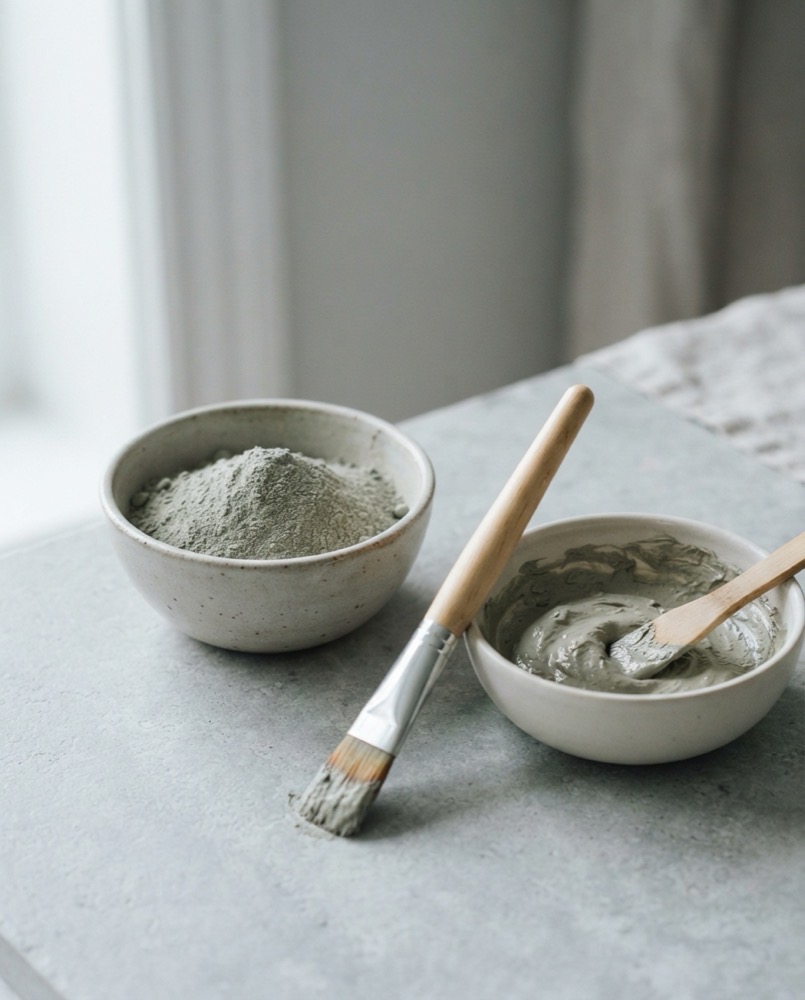
Bentonite clay forms when volcanic ash weathers in seawater, converting volcanic glass into fine clay particles. Its dominant mineral is montmorillonite, which carries a strong negative surface charge when wet.
That charge is the mechanism. It attracts positively charged particles – sebum components, dirt, some bacteria – and binds them for rinsing away. Reviews of bentonite as a natural remedy document that adsorptive capacity alongside antibacterial and anti-inflammatory activity.
What skin concerns does bentonite clay treat?
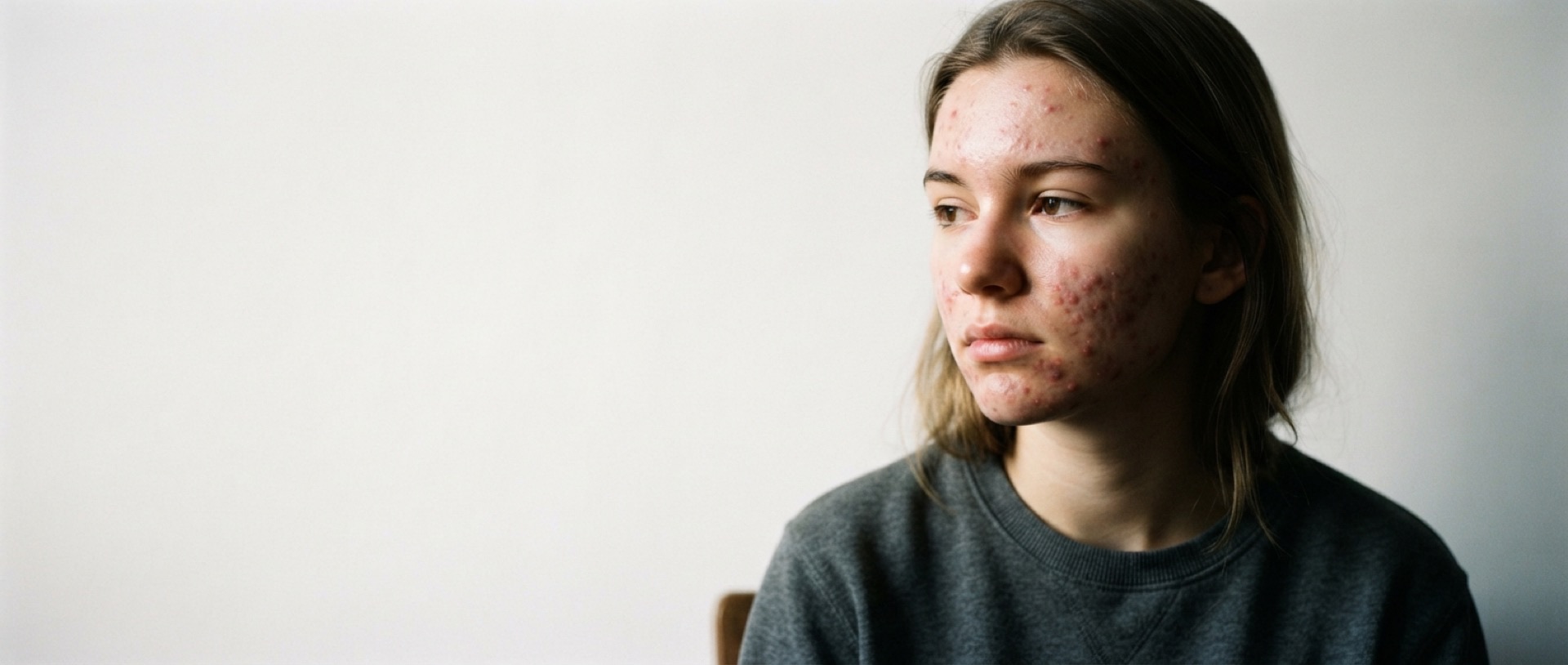
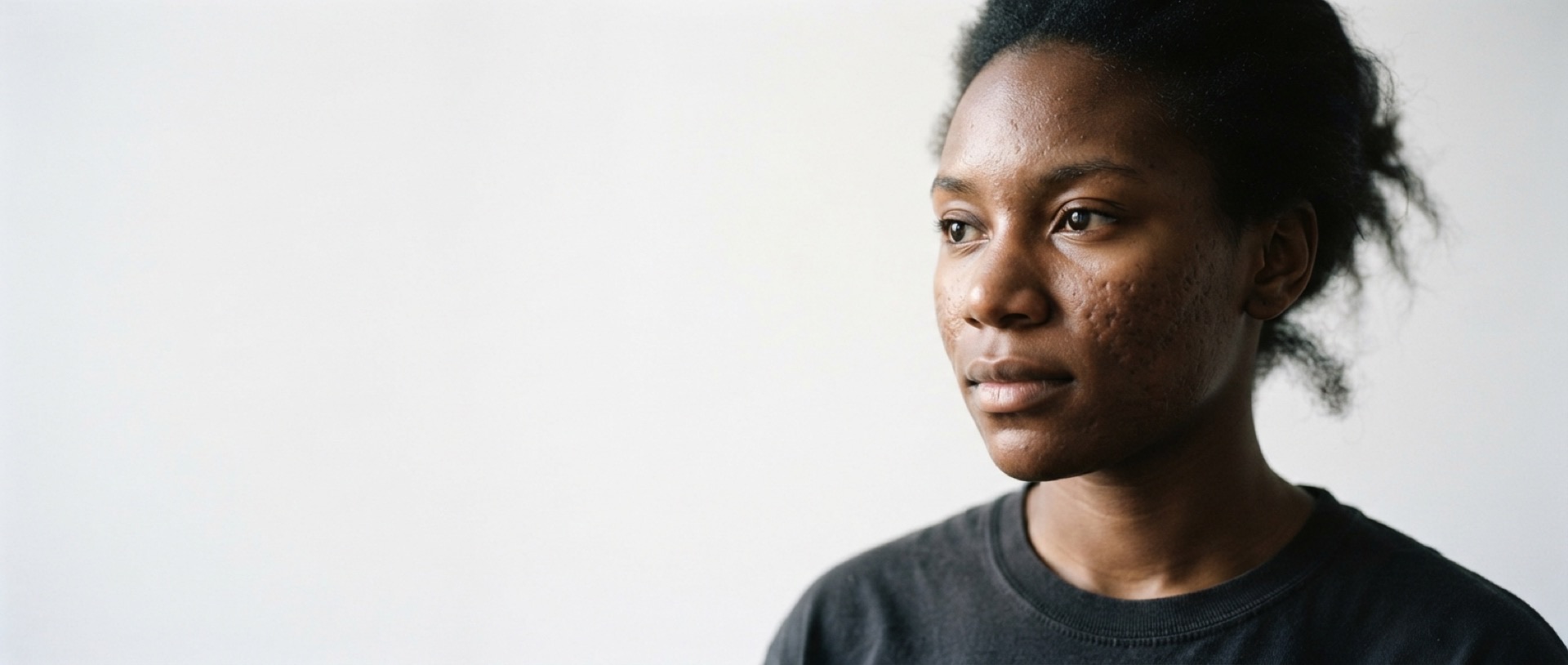
It is one of the most absorbent cosmetic clays, which makes it a strong fit for oily skin, congestion and body or back acne. It also appears in some sunscreens, where it improves how well the product stays on the skin.
Research on bentonites and montmorillonites points to cutaneous benefits including barrier support and irritation relief. Its strength is also its risk: on dry or sensitive skin it strips too much, leaving tightness and rebound oil.
What ingredients are best paired with bentonite clay?
Mix it with water or a hydrosol rather than vinegar, which adds needless irritation, and pair it with glycerin, aloe, honey or colloidal oatmeal to buffer the drying.
Follow every mask with a hydrating serum and moisturiser. Because it is a natural mineral there is some risk of heavy-metal contamination, so choose a brand that publishes purity testing. Use once weekly, not daily. Take our Skin Quiz.
What are age spots?
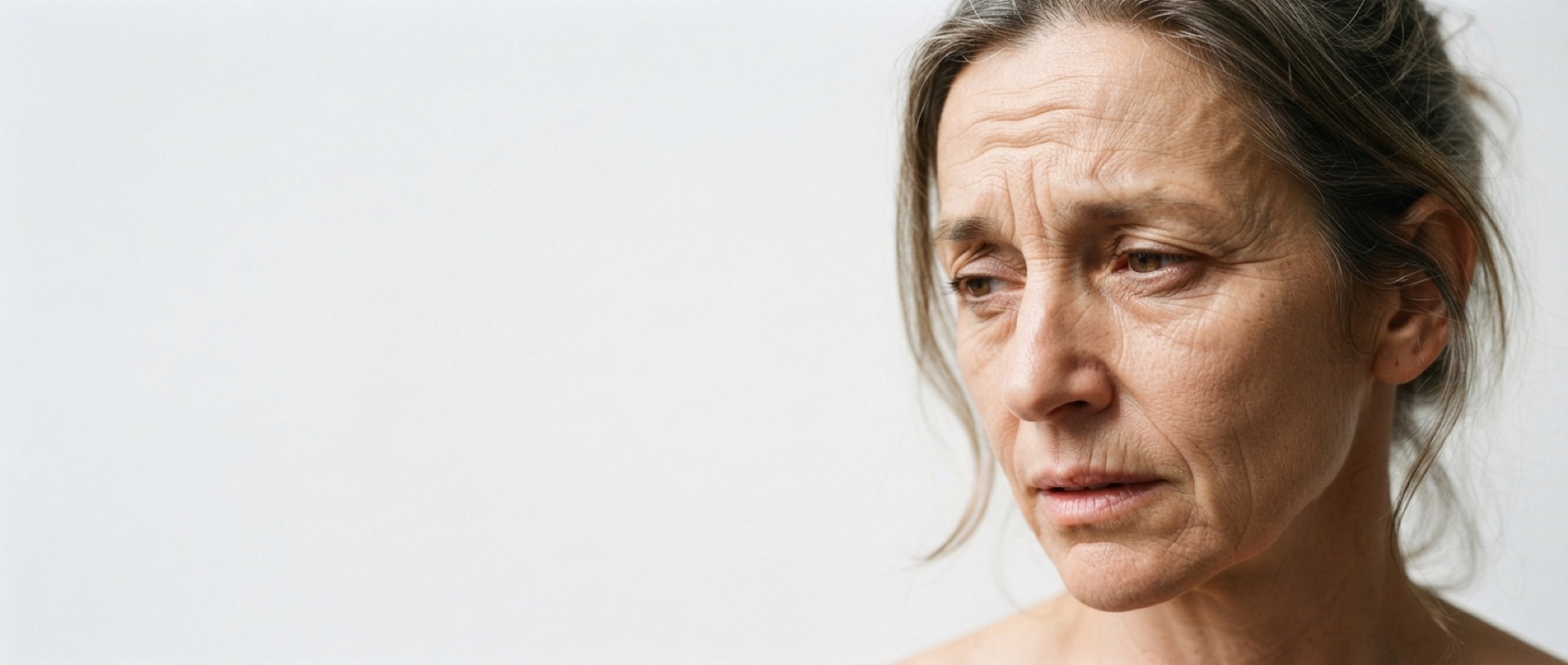
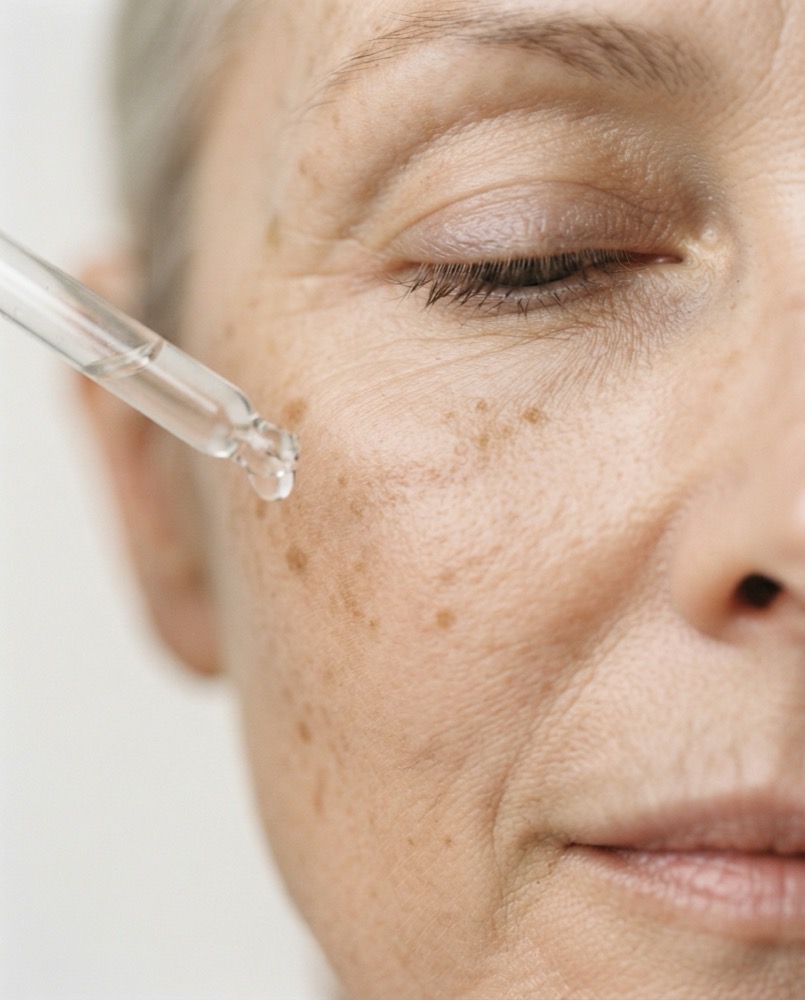
Age spots – known clinically as solar lentigines, and sometimes as liver spots – are flat, well-defined brown or tan patches that appear on skin with the most cumulative sun exposure: the face, backs of the hands, forearms, shoulders and upper chest.
Despite the name, they are not caused by age itself. They are a record of ultraviolet exposure, which is why they are common from the forties onward and why they cluster on areas that rarely get sunscreen.
What causes age spots?
Long-term UV exposure drives melanocytes to over-produce melanin in concentrated spots, and the surrounding keratinocytes stop clearing that pigment efficiently as skin ages.
Fair skin, a history of sunburns, tanning beds and outdoor work all raise the risk. Any new spot that changes shape, colour or size, bleeds or has an irregular border should be checked by a doctor rather than treated cosmetically.
What ingredients are best for age spots?
Topical treatment works but needs patience – expect three to six months. Retinoids speed turnover so pigmented cells shed faster, vitamin C and niacinamide brighten and protect, and alpha arbutin, kojic acid, azelaic acid and liquorice root inhibit new pigment.
Glycolic or lactic acid helps lift existing pigment from the surface. Daily broad-spectrum SPF, including on hands and chest, is what prevents new spots forming. Take our Skin Quiz.