What is beeswax in skincare?
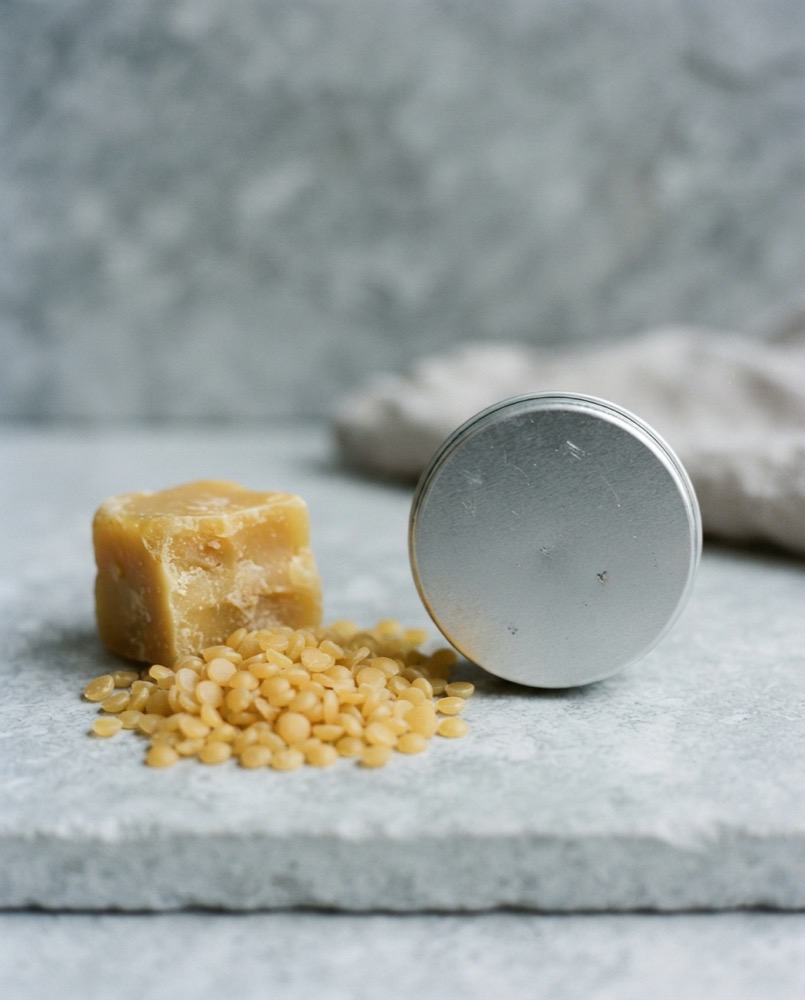
Beeswax, listed as cera alba or cera flava, is the wax honeybees secrete to build honeycomb. Chemically it is a mix of long-chain esters, fatty acids and hydrocarbons, solid at room temperature and softening at body heat.
In formulation it is a structural ingredient as much as a functional one: it thickens, stabilises emulsions, and determines whether a product sets as a firm balm or a soft cream. Reviews of beeswax in skincare cover both roles.
What skin concerns does beeswax treat?
It forms a breathable occlusive film that slows water loss without sealing the skin completely, which makes it excellent for lips, hands, cuticles and wind-exposed skin. Work on bee products in cosmetic matrices documents measurable hydration and barrier gains.
It also contains vitamin A and has mild anti-inflammatory and antibacterial activity. It is comedogenic enough that heavy beeswax balms are best kept off acne-prone facial skin.
What ingredients are best paired with beeswax?
It is the structural partner to shea butter, plant oils and squalane in balms, and works best applied over a hydrating layer so it seals moisture in rather than sealing dryness under.
Honey and propolis are natural companions in bee-derived formulas. Note that beeswax and propolis contact allergy do occur, and the two often cross-react – if you react to one, treat the other with caution. Vegans can look to candelilla or carnauba wax. Take our Skin Quiz.
What are wrinkles?
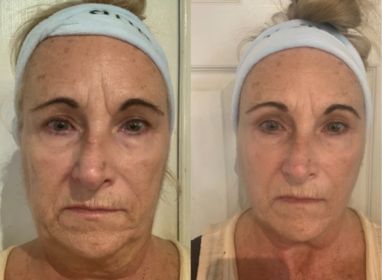
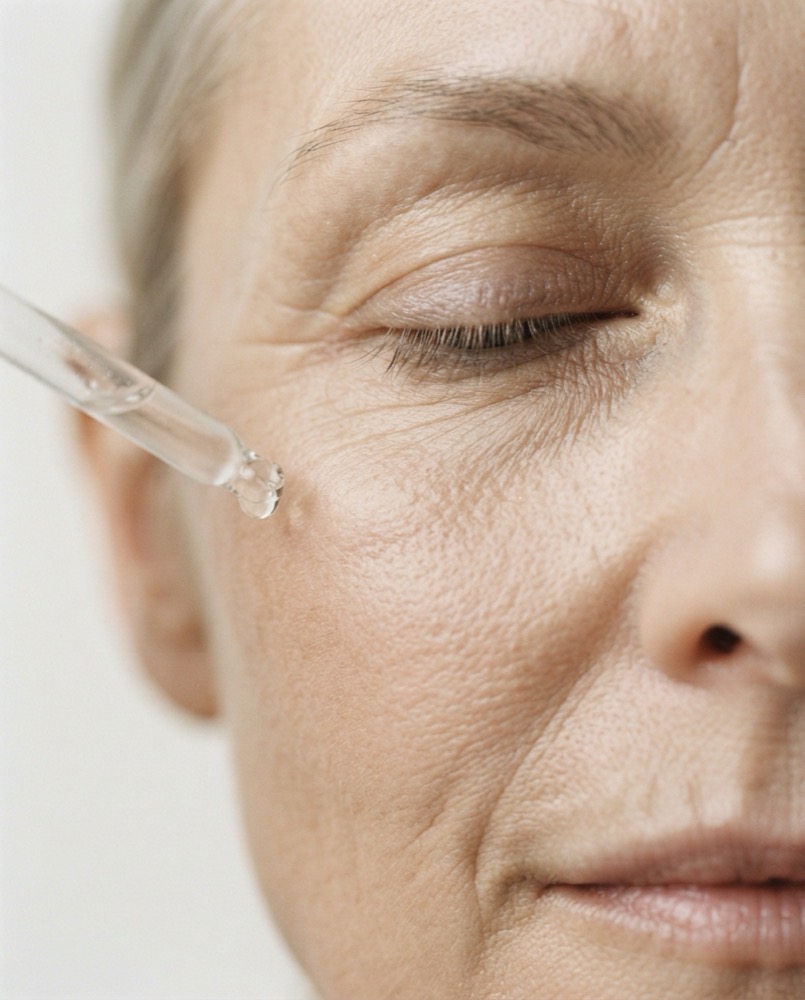
Wrinkles are permanent folds and creases in the skin. They begin as dynamic lines that appear only with expression, then set into static lines visible at rest once the underlying support structure can no longer push them back out.
They form first where skin is thin and movement is constant: crow’s feet, forehead lines, frown lines between the brows, and nasolabial folds. Deeper folds also reflect loss of fat and bone volume, not just skin change.
What causes wrinkles?
Internally, collagen and elastin production declines steadily from the mid-twenties and the dermal matrix thins, so skin loses the scaffolding that keeps it smooth.
Externally, ultraviolet radiation does most of the damage – it activates enzymes that break down collagen and degrades elastic fibres. Smoking, pollution, sugar-driven glycation, poor sleep, sleeping position and repeated facial movement all accelerate the process.
What ingredients are best for wrinkles?
Retinoids have the deepest evidence base for stimulating collagen and measurably reducing wrinkle depth over six to twelve months. Vitamin C supports synthesis while neutralising the free radicals that break it down, and peptides signal repair.
Round it out with hyaluronic acid and ceramides for hydration and barrier strength, niacinamide for elasticity and tone, and AHAs for surface renewal. Daily broad-spectrum SPF is the most effective anti-wrinkle product there is. Take our Skin Quiz.