What is beeswax in skincare?
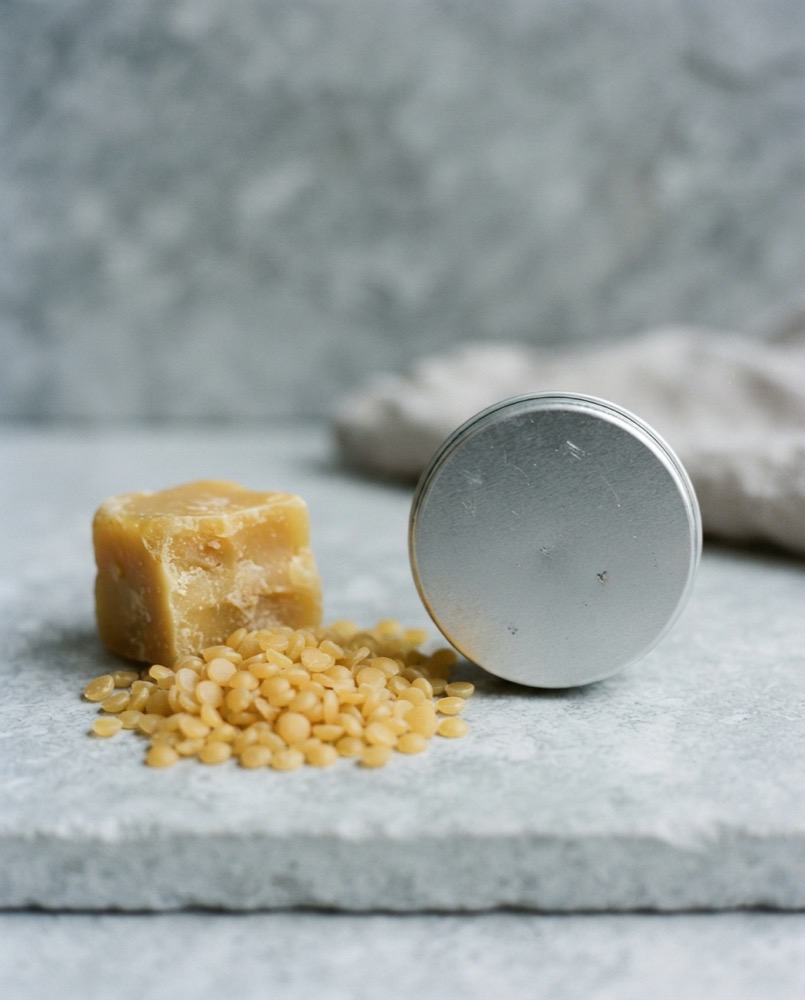
Beeswax, listed as cera alba or cera flava, is the wax honeybees secrete to build honeycomb. Chemically it is a mix of long-chain esters, fatty acids and hydrocarbons, solid at room temperature and softening at body heat.
In formulation it is a structural ingredient as much as a functional one: it thickens, stabilises emulsions, and determines whether a product sets as a firm balm or a soft cream. Reviews of beeswax in skincare cover both roles.
What skin concerns does beeswax treat?
It forms a breathable occlusive film that slows water loss without sealing the skin completely, which makes it excellent for lips, hands, cuticles and wind-exposed skin. Work on bee products in cosmetic matrices documents measurable hydration and barrier gains.
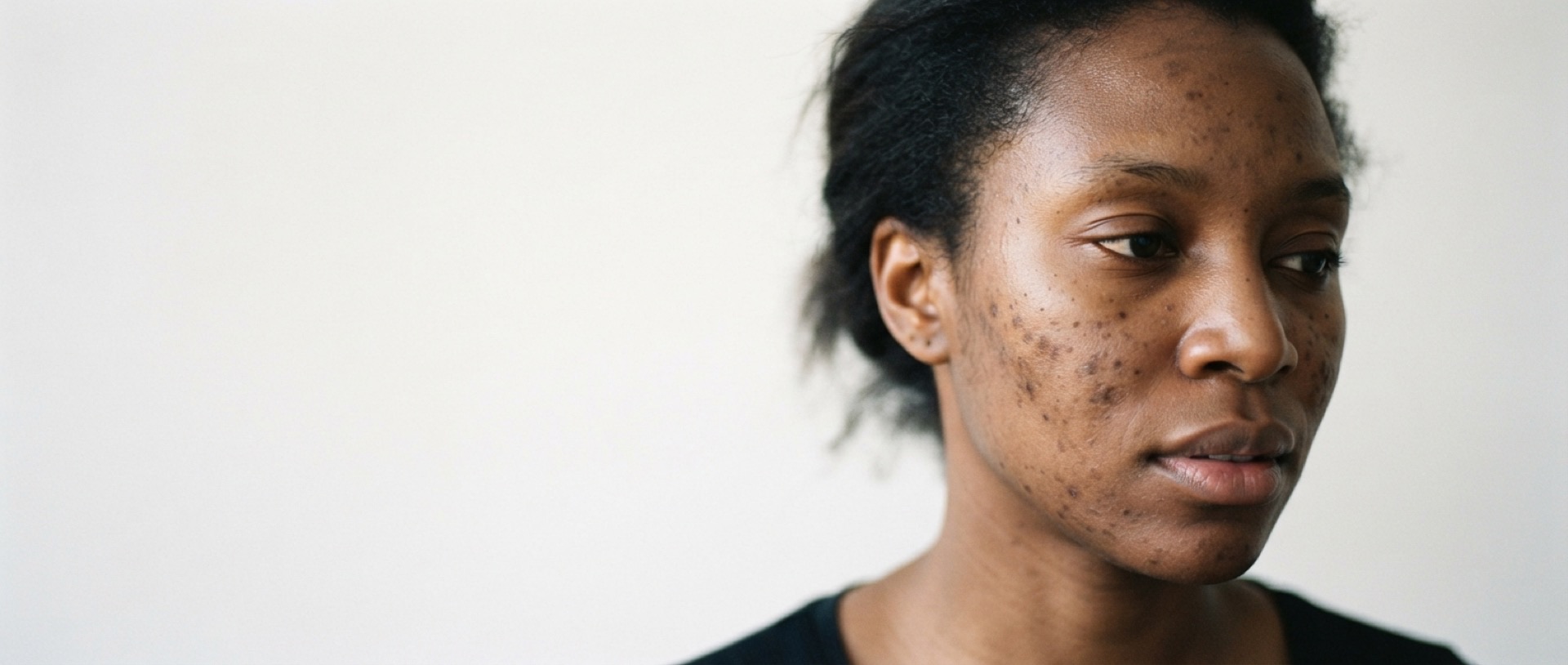
It also contains vitamin A and has mild anti-inflammatory and antibacterial activity. It is comedogenic enough that heavy beeswax balms are best kept off acne-prone facial skin.
What ingredients are best paired with beeswax?
It is the structural partner to shea butter, plant oils and squalane in balms, and works best applied over a hydrating layer so it seals moisture in rather than sealing dryness under.
Honey and propolis are natural companions in bee-derived formulas. Note that beeswax and propolis contact allergy do occur, and the two often cross-react – if you react to one, treat the other with caution. Vegans can look to candelilla or carnauba wax. Take our Skin Quiz.
What are fine lines?
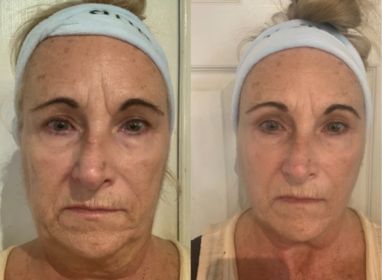
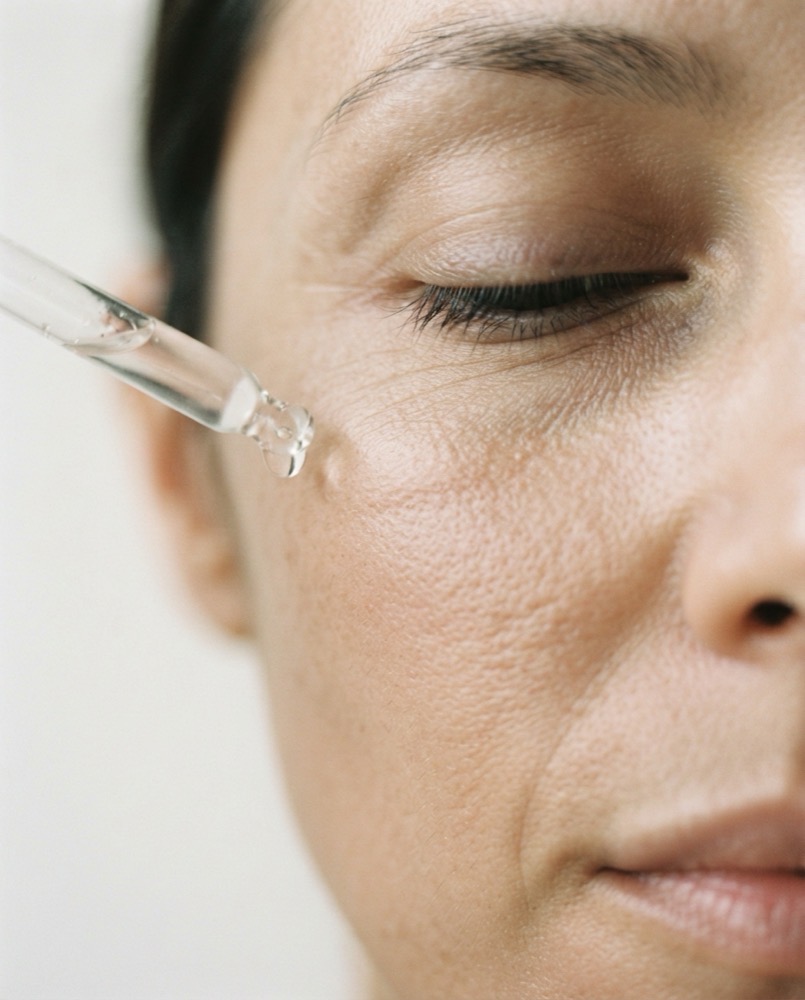
Fine lines are the earliest visible sign of skin ageing: shallow creases that appear where skin is thinnest and most expressive – around the eyes, across the forehead, and at the corners of the mouth.
They differ from established wrinkles in that they are often still dynamic, showing mainly when you smile or squint, and are frequently worsened by dehydration. That makes them the most responsive stage to treat.
What causes fine lines?
Intrinsic ageing does part of the work: collagen production falls by roughly one per cent a year from the mid-twenties, elastin degrades, and the dermal matrix thins so skin no longer springs back.
The larger share is external. Ultraviolet exposure accounts for the majority of visible facial ageing, and pollution, smoking, poor sleep, sugar-driven glycation and repeated facial movement all accelerate it. Dehydration makes existing lines look deeper than they are.
What ingredients are best for fine lines?
Retinol and prescription retinoids have the strongest evidence for stimulating collagen and smoothing texture. Vitamin C protects against free-radical damage while supporting collagen synthesis, and peptides signal the skin to rebuild.
Pair those with hyaluronic acid and ceramides for immediate plumping and barrier support, niacinamide for tone, gentle AHAs for surface renewal, and coenzyme Q10 as an antioxidant. Daily broad-spectrum SPF protects everything else you are doing. Take our Skin Quiz.