

What is bakuchiol in skincare?
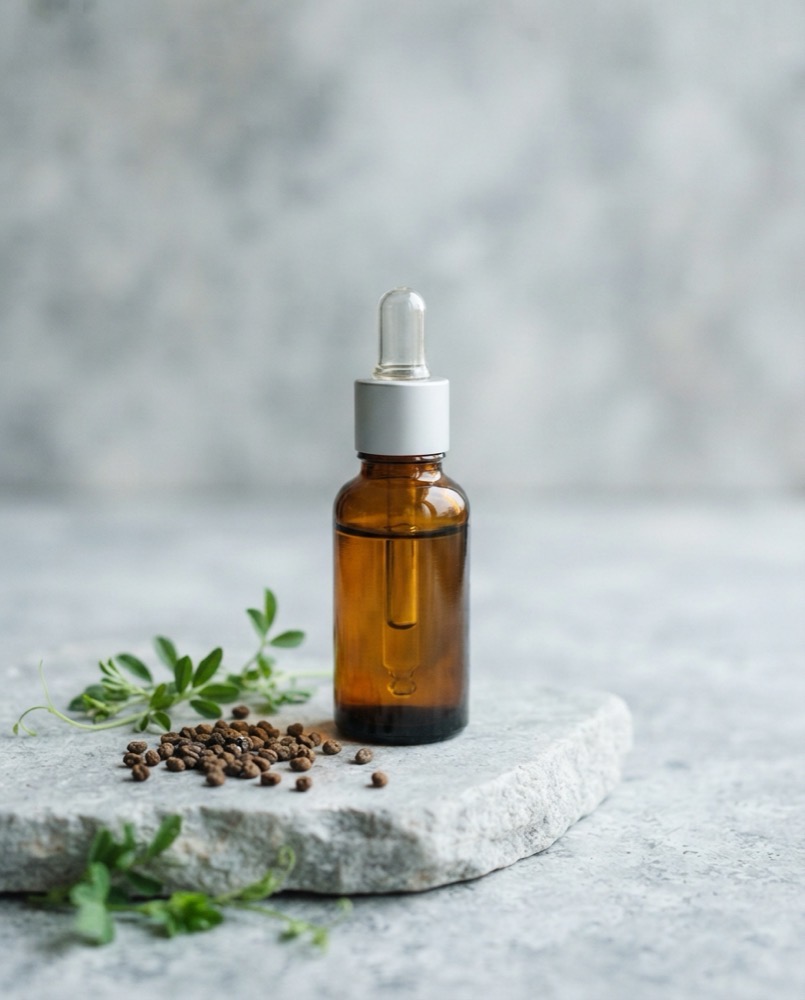
Bakuchiol is a plant-derived compound extracted from the seeds of Psoralea corylifolia, long used in Ayurvedic and traditional Chinese medicine. It is structurally nothing like vitamin A, but gene-expression profiling shows it switches on many of the same pathways as retinol.
That is why it is marketed as a natural retinol alternative. It is stable in light, tolerated in pregnancy far more readily than retinoids, and does not cause the peeling phase.
What skin concerns does bakuchiol treat?
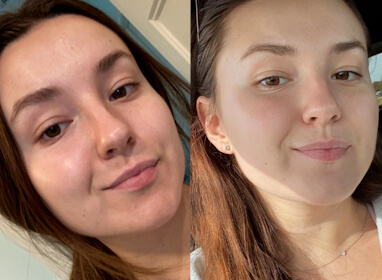
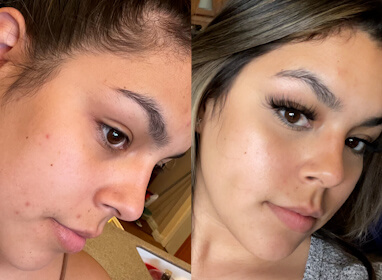
A randomised double-blind trial comparing bakuchiol with retinol found both significantly reduced wrinkle surface area and hyperpigmentation over twelve weeks – with bakuchiol causing less stinging and scaling.
It is therefore a good fit for fine lines, uneven tone, loss of firmness and mild acne, particularly on sensitive or rosacea-prone skin that retinoids inflame.
What ingredients are best paired with bakuchiol?
It is unusually easy to combine. Bakuchiol layers safely with vitamin C, AHAs, BHAs and niacinamide – combinations that would be risky with a retinoid – and is often used alongside a low-strength retinol to boost results.
Pair it with hyaluronic acid, ceramides and peptides for hydration and firmness, and keep using SPF. Expect a slower, gentler curve than retinol rather than an identical one. Take our Skin Quiz.
What is uneven skin tone?
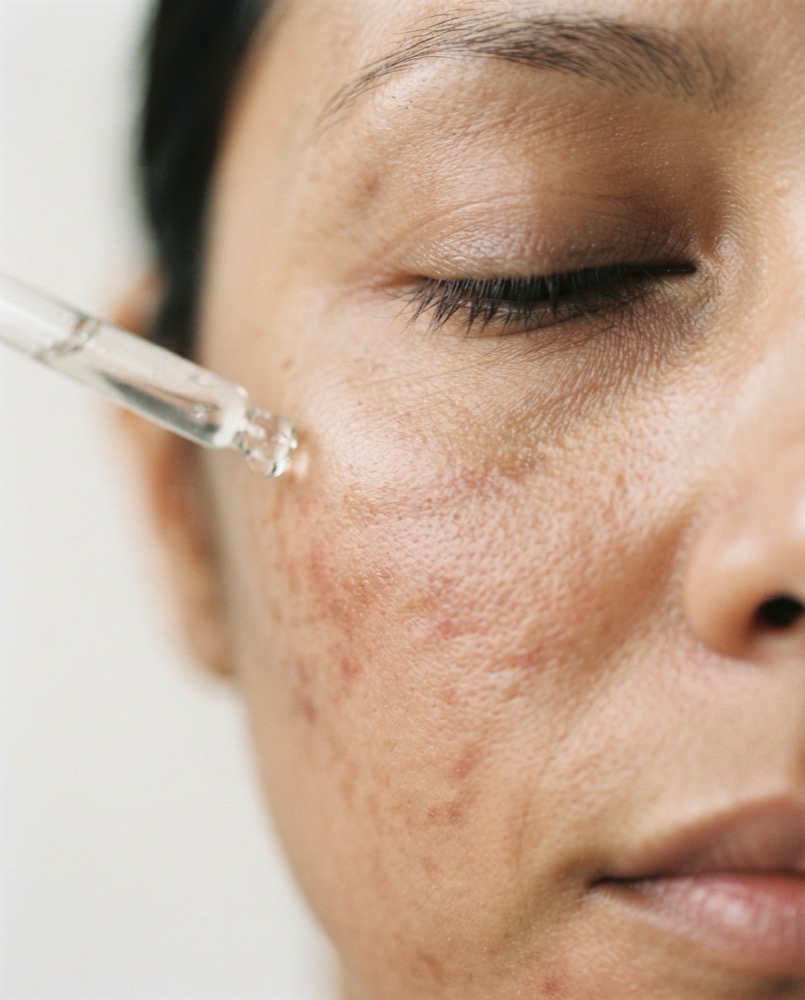
Uneven skin tone describes a complexion that reads patchy rather than uniform – a mix of darker and lighter areas, lingering red or brown marks, blotchy cheeks, and a general loss of clarity.
It usually combines several things at once: hyperpigmentation from sun or inflammation, persistent redness, and surface build-up of dead cells that makes the whole face look mottled and dull.
What causes uneven skin tone?
Ultraviolet exposure is the dominant cause, stimulating melanin unevenly across the face. Post-inflammatory marks from acne, eczema or irritation add brown or red patches that can persist for months.
Hormonal pigmentation, slowed cell turnover with age, dehydration, pollution, smoking and a damaged barrier all compound it. Aggressive scrubbing or unsupervised strong actives frequently make tone more uneven, not less.
What ingredients are best for uneven skin tone?
Vitamin C and niacinamide are the reliable everyday choices – one protects and brightens, the other evens tone and strengthens the barrier. Azelaic acid is unusually useful because it addresses brown marks and redness at once.
Add gentle exfoliation with lactic or glycolic acid to clear surface build-up, retinol to accelerate turnover, and alpha arbutin or tranexamic acid for stubborn pigment. Daily broad-spectrum SPF is what makes the results stick. Take our Skin Quiz.