

What is baking soda in skincare?
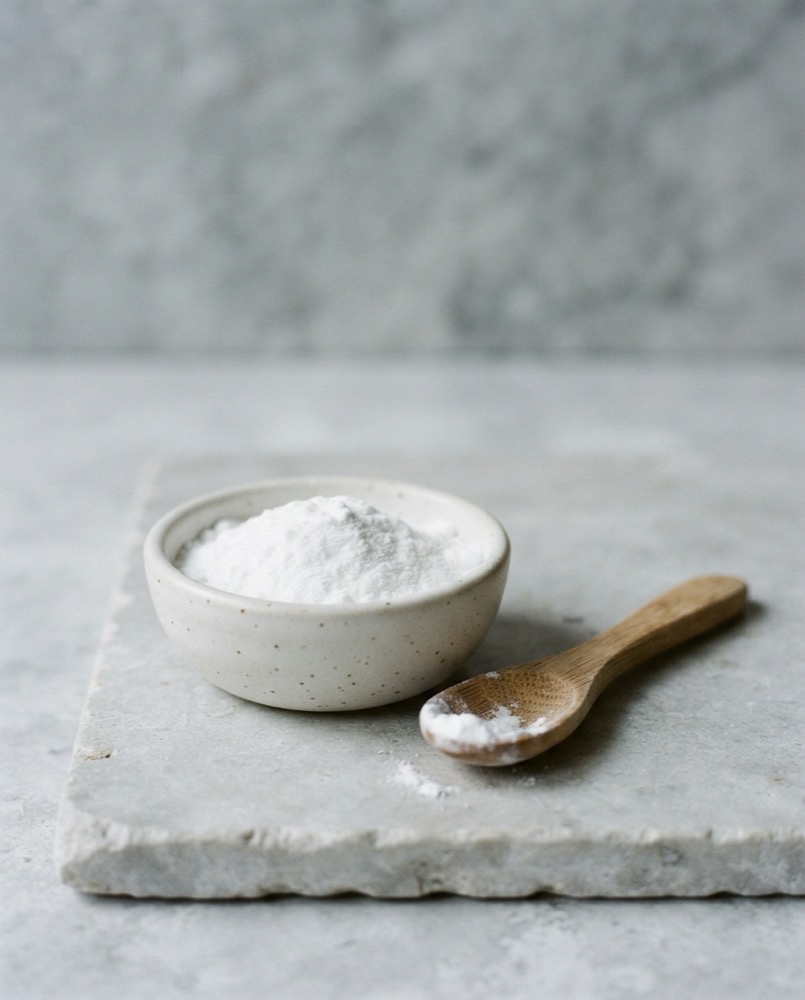
Baking soda is sodium bicarbonate, a fine alkaline powder used in cooking, cleaning and antacids. Its skincare appeal comes from two properties: it is mildly abrasive, and it neutralises acid.
The second is the problem. Baking soda has a pH around 9, while healthy skin sits at roughly pH 4.7 to 5.75. That acidity is not incidental – it keeps barrier-repair enzymes working, holds the microbiome in balance and keeps pathogens out.
What skin concerns does baking soda treat?
It is used in home remedies as a scrub, a spot treatment and an exfoliant, and it does physically slough off surface cells while temporarily absorbing oil.
The cost outweighs it. Applying an alkaline powder strips the acid mantle, and research on cleansing consistently shows alkaline products impair barrier function and slow its recovery. The usual outcome is tightness, redness, rebound oil and more breakouts – the opposite of what it was used for.
What ingredients are best paired with baking soda?
Nothing, on the face. Its one defensible skincare use is neutralising an overly acidic DIY mixture before it touches skin, and even that is a reason to buy a properly formulated product instead.
For gentle exfoliation use lactic acid or a PHA; for oil and congestion use salicylic acid or clay; for blemishes use benzoyl peroxide or azelaic acid. All work with the skin’s pH rather than against it. Take our Skin Quiz.
What are sun spots?
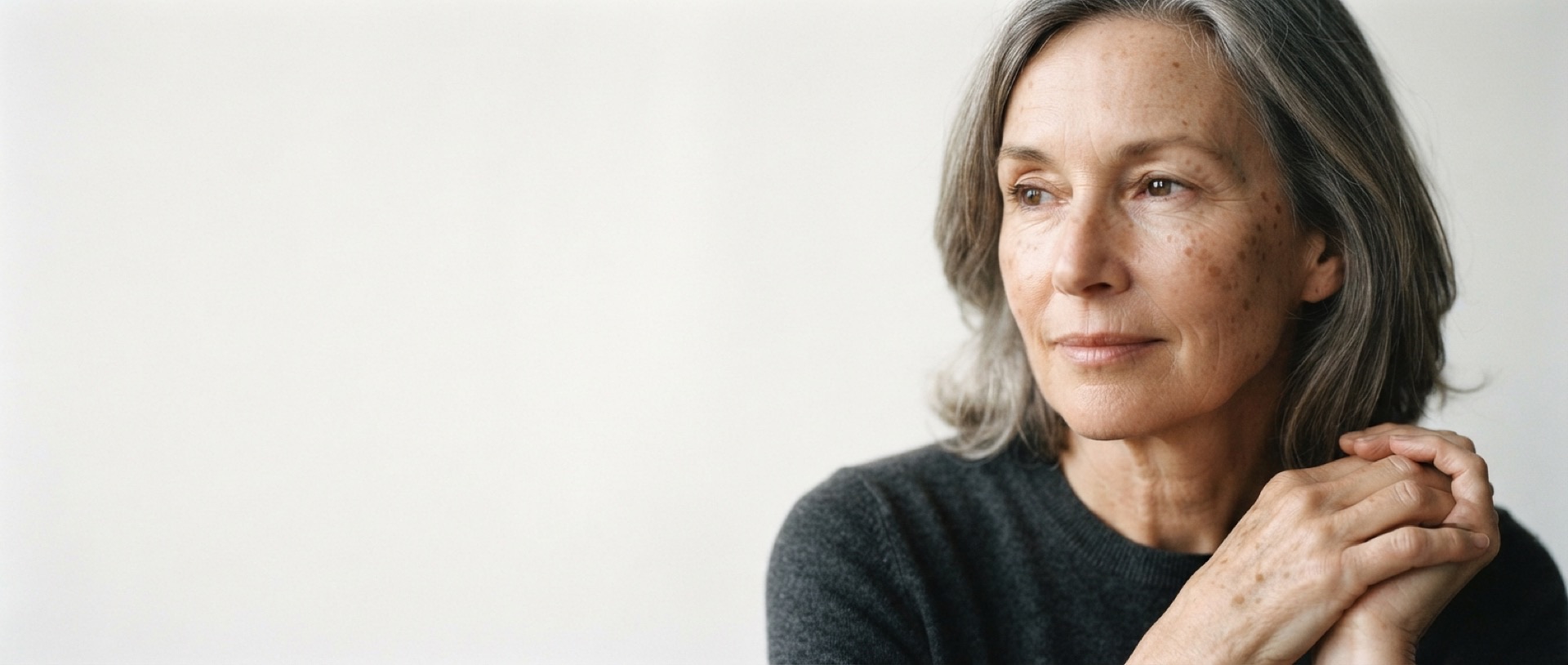
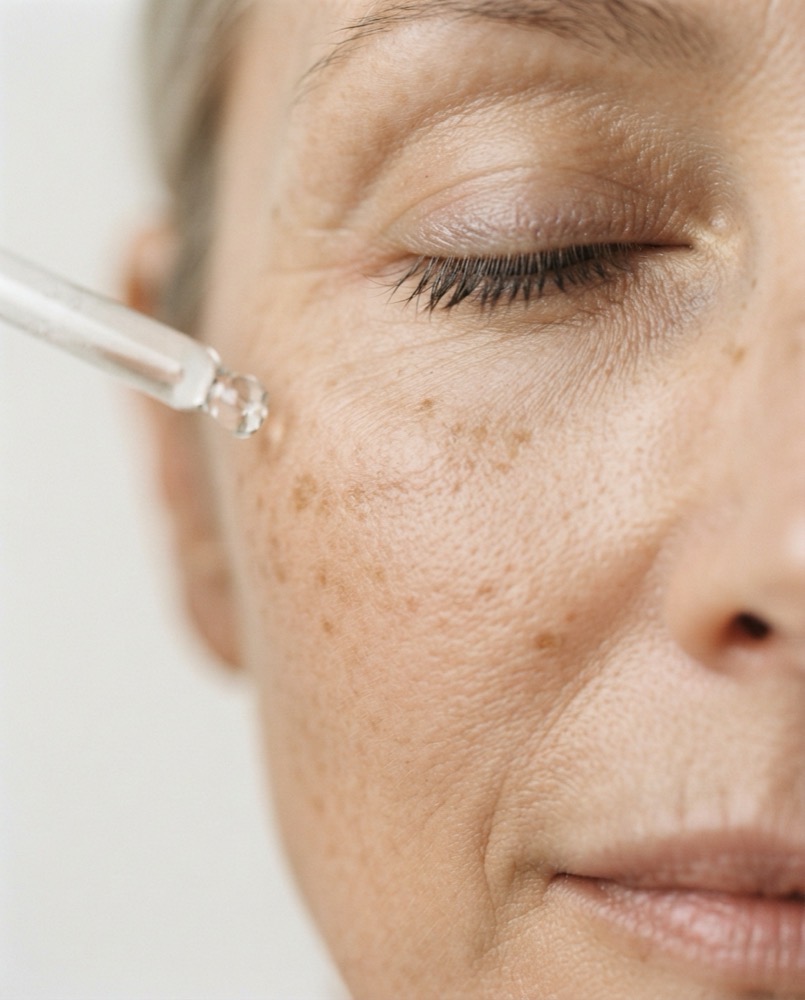
Sun spots are flat patches of concentrated pigment that form where skin has taken the most ultraviolet exposure – cheeks, nose, forehead, hands, shoulders and chest. Dermatologists call them solar lentigines; they are the same thing as age spots.
They are harmless, but they are a visible marker of accumulated photodamage, and they usually arrive alongside other signs of it: fine lines, loss of firmness and an uneven overall tone.
What causes sun spots?
UV radiation prompts melanocytes to produce extra melanin as a defence. With repeated exposure that response becomes localised and fixed, leaving discrete patches instead of an even tan that fades.
Tanning beds, sunburns in childhood, fair skin and outdoor time without protection all increase the count. Incidental exposure – driving, walking, sitting near a window – adds up more than most people expect.
What ingredients are best for sun spots?
Retinoids to accelerate turnover, vitamin C to protect and brighten, and pigment inhibitors such as alpha arbutin, kojic acid, azelaic acid, tranexamic acid and liquorice root are the core toolkit.
Gentle AHAs help shift surface pigment, and niacinamide slows the transfer of melanin into skin cells. None of it holds without daily broad-spectrum SPF and reapplication. Take our Skin Quiz.