What is azelaic acid in skincare?
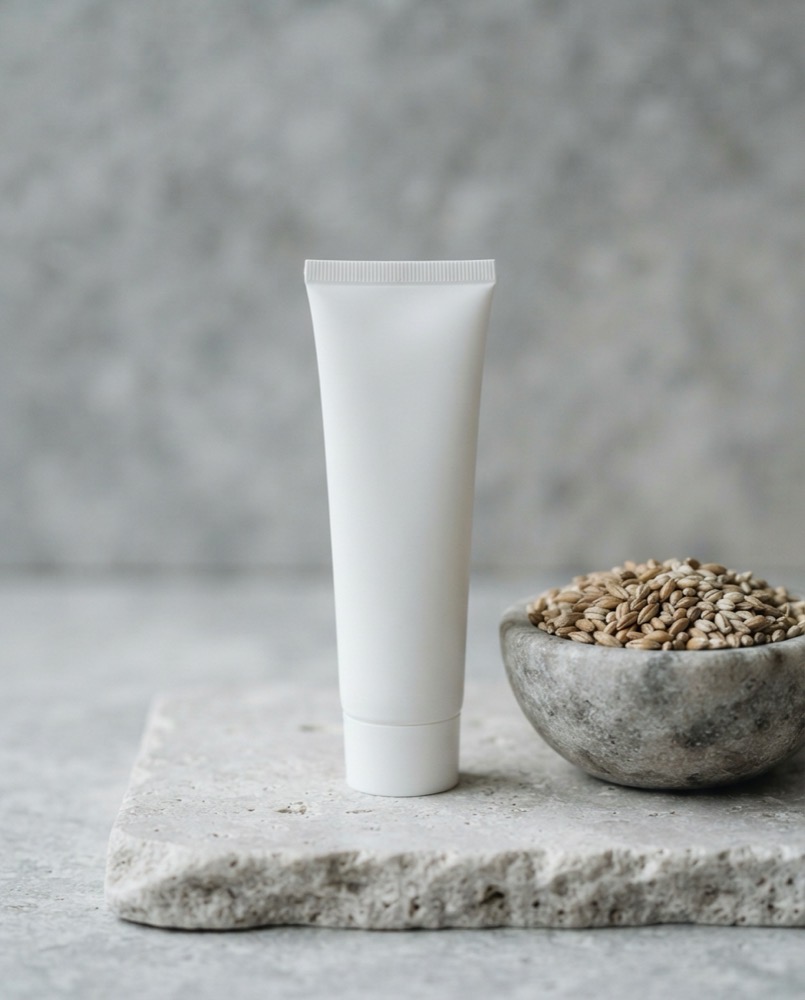
Azelaic acid is a dicarboxylic acid found naturally in grains such as barley, wheat and rye, and produced on the skin by yeast that lives there. Cosmetic products use 10%; prescription strengths are 15% and 20%.
It is unusual among actives in doing several jobs at once – it is antibacterial, anti-inflammatory, mildly keratolytic and a tyrosinase inhibitor – while remaining gentle enough for reactive skin and safe in pregnancy.
What skin concerns does azelaic acid treat?
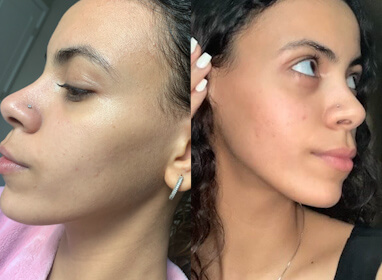
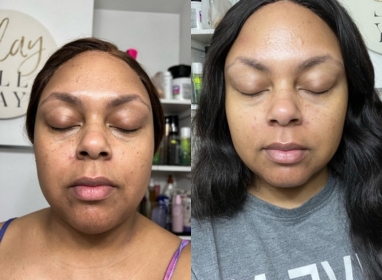
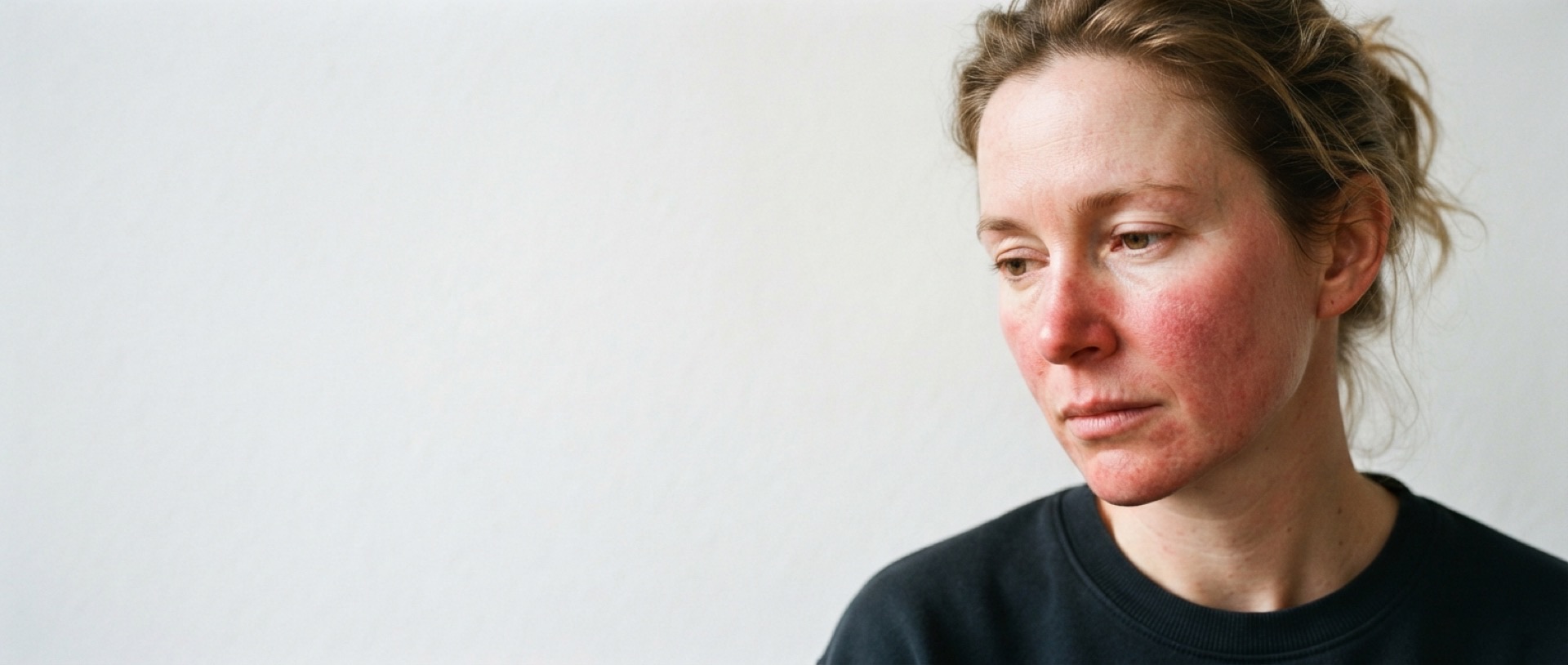
A systematic review found evidence for azelaic acid across acne, rosacea, melasma and skin ageing – a range few single ingredients cover.
That makes it especially useful where concerns overlap: inflamed breakouts plus the brown marks they leave, or rosacea redness plus uneven tone. Its mechanisms include normalising follicular keratinisation and scavenging reactive oxygen species.
What ingredients are best paired with azelaic acid?
Niacinamide is an excellent partner for redness and sebum control. It also layers well with hyaluronic acid, ceramides and squalane, and can be combined with retinoids or salicylic acid if introduced gradually.
Expect a mild tingle for the first week or two. Because it is one of the few actives considered safe during pregnancy, it is often the substitute of choice when retinoids have to be paused. Take our Skin Quiz.
What are wrinkles?
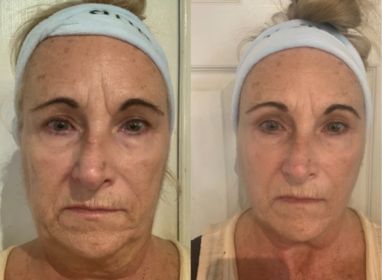
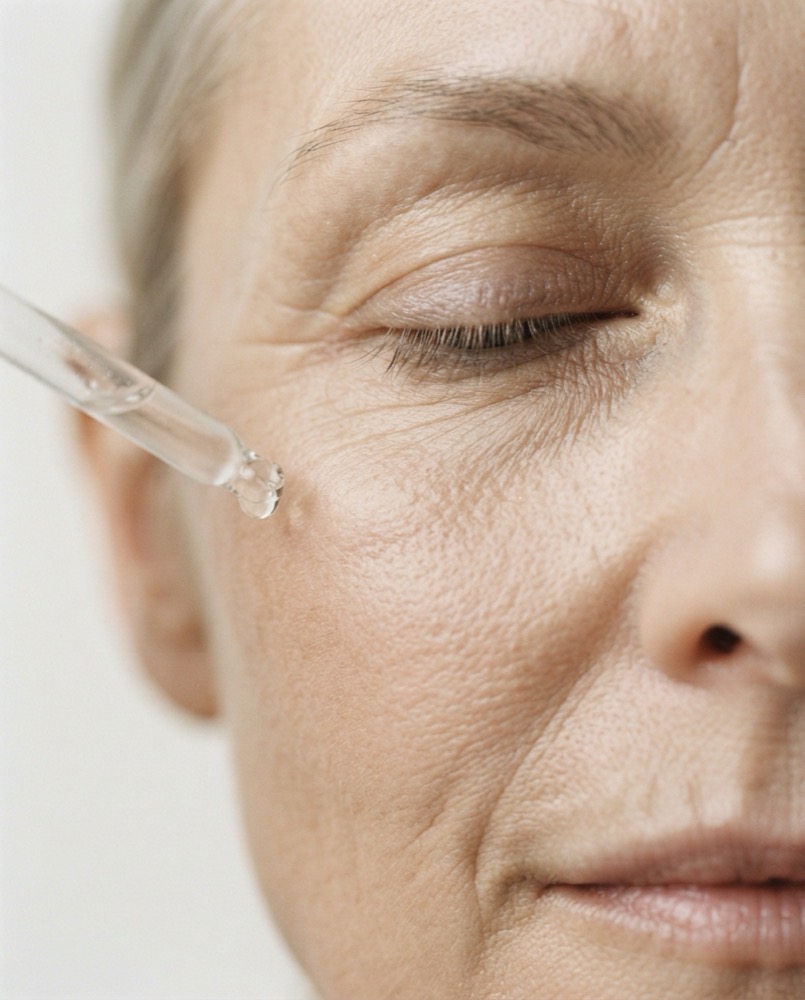
Wrinkles are permanent folds and creases in the skin. They begin as dynamic lines that appear only with expression, then set into static lines visible at rest once the underlying support structure can no longer push them back out.
They form first where skin is thin and movement is constant: crow’s feet, forehead lines, frown lines between the brows, and nasolabial folds. Deeper folds also reflect loss of fat and bone volume, not just skin change.
What causes wrinkles?
Internally, collagen and elastin production declines steadily from the mid-twenties and the dermal matrix thins, so skin loses the scaffolding that keeps it smooth.
Externally, ultraviolet radiation does most of the damage – it activates enzymes that break down collagen and degrades elastic fibres. Smoking, pollution, sugar-driven glycation, poor sleep, sleeping position and repeated facial movement all accelerate the process.
What ingredients are best for wrinkles?
Retinoids have the deepest evidence base for stimulating collagen and measurably reducing wrinkle depth over six to twelve months. Vitamin C supports synthesis while neutralising the free radicals that break it down, and peptides signal repair.
Round it out with hyaluronic acid and ceramides for hydration and barrier strength, niacinamide for elasticity and tone, and AHAs for surface renewal. Daily broad-spectrum SPF is the most effective anti-wrinkle product there is. Take our Skin Quiz.