What is azelaic acid in skincare?
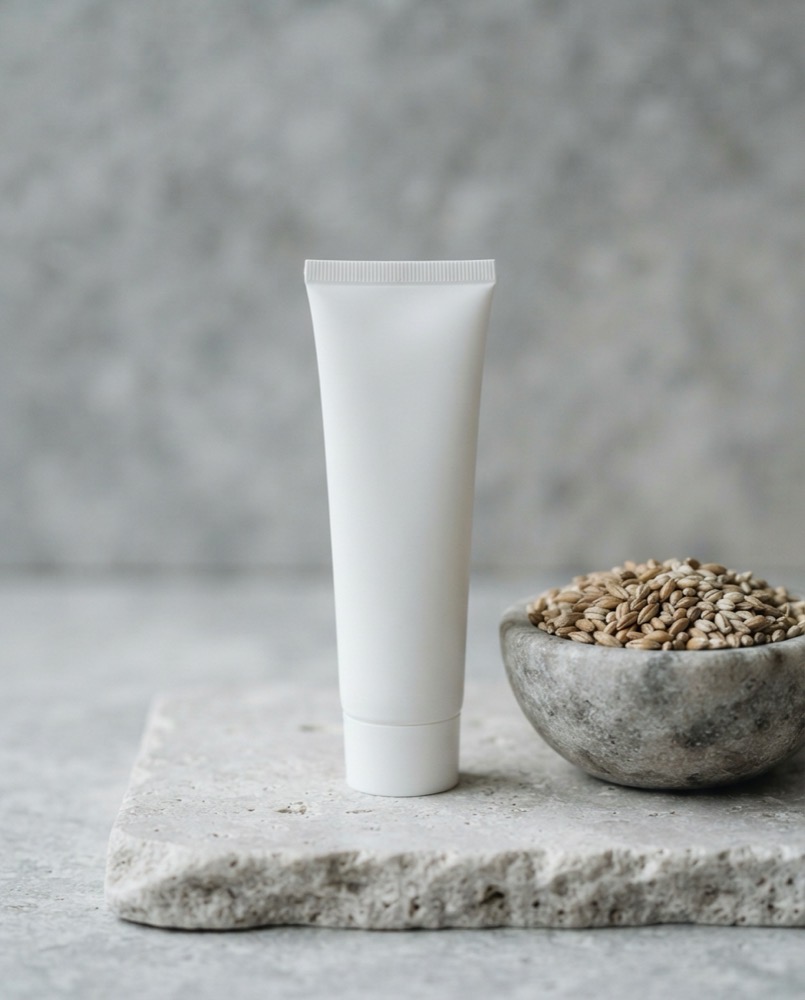
Azelaic acid is a dicarboxylic acid found naturally in grains such as barley, wheat and rye, and produced on the skin by yeast that lives there. Cosmetic products use 10%; prescription strengths are 15% and 20%.
It is unusual among actives in doing several jobs at once – it is antibacterial, anti-inflammatory, mildly keratolytic and a tyrosinase inhibitor – while remaining gentle enough for reactive skin and safe in pregnancy.
What skin concerns does azelaic acid treat?
A systematic review found evidence for azelaic acid across acne, rosacea, melasma and skin ageing – a range few single ingredients cover.
That makes it especially useful where concerns overlap: inflamed breakouts plus the brown marks they leave, or rosacea redness plus uneven tone. Its mechanisms include normalising follicular keratinisation and scavenging reactive oxygen species.
What ingredients are best paired with azelaic acid?
Niacinamide is an excellent partner for redness and sebum control. It also layers well with hyaluronic acid, ceramides and squalane, and can be combined with retinoids or salicylic acid if introduced gradually.
Expect a mild tingle for the first week or two. Because it is one of the few actives considered safe during pregnancy, it is often the substitute of choice when retinoids have to be paused. Take our Skin Quiz.
What is hormonal acne?
Hormonal acne is acne whose timing and pattern track with hormonal activity rather than with cleansing habits or diet alone. It typically appears along the lower face – jawline, chin and upper neck – as deep, tender papules and cysts that flare on a predictable cycle.
It is most recognisable in adult women, where breakouts often arrive in the week before menstruation and settle again afterwards.
What causes hormonal acne?
Androgens – testosterone and DHT in particular – bind to receptors on the sebaceous gland and increase sebum production. When androgen activity rises or oestrogen falls, oil output climbs and follicles clog more readily.
Menstrual cycles, starting or stopping contraception, pregnancy, perimenopause and PCOS are the usual contexts. Stress raises cortisol, which amplifies the same pathway. Persistent hormonal acne with irregular cycles or excess hair growth is worth investigating medically.
What ingredients are best for hormonal acne?
Retinoids are the most effective topical, because they stop the plug forming regardless of how much oil is being produced. Azelaic acid reduces inflammation and the marks that follow, and niacinamide helps regulate sebum.
Salicylic acid keeps pores clear between flares, and benzoyl peroxide targets bacteria in inflamed lesions. Because hormonal acne is driven from the inside, topicals manage rather than cure it – consistency across the whole cycle beats spot-treating during a flare. Take our Skin Quiz.