What is azelaic acid in skincare?
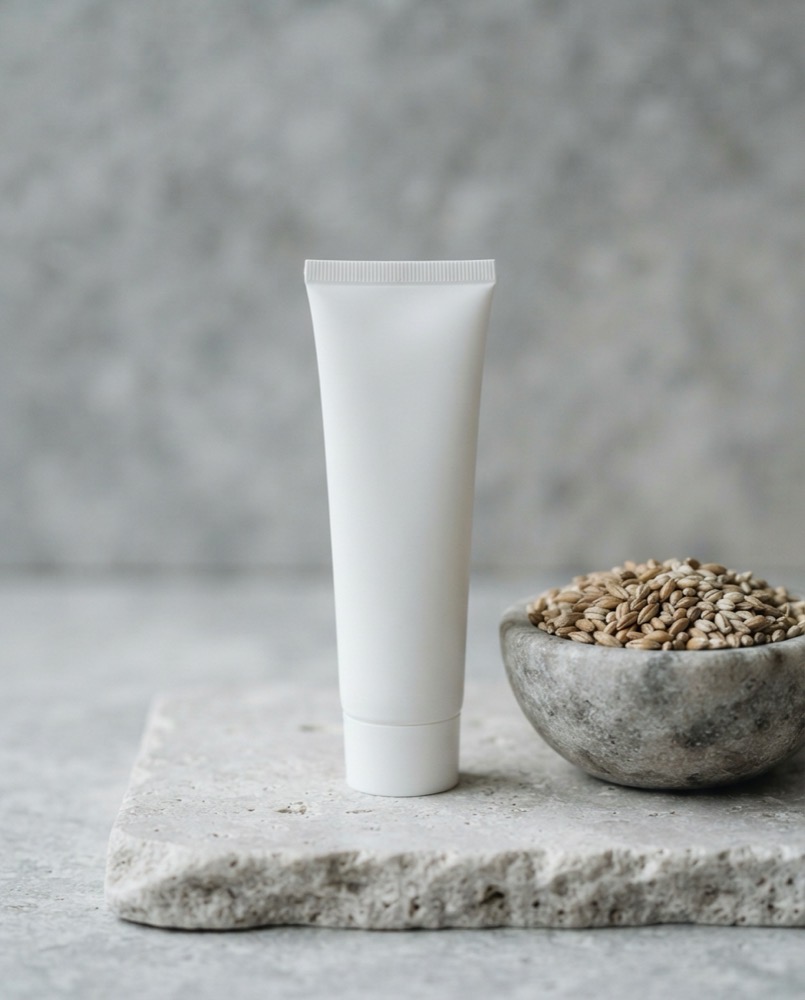
Azelaic acid is a dicarboxylic acid found naturally in grains such as barley, wheat and rye, and produced on the skin by yeast that lives there. Cosmetic products use 10%; prescription strengths are 15% and 20%.
It is unusual among actives in doing several jobs at once – it is antibacterial, anti-inflammatory, mildly keratolytic and a tyrosinase inhibitor – while remaining gentle enough for reactive skin and safe in pregnancy.
What skin concerns does azelaic acid treat?
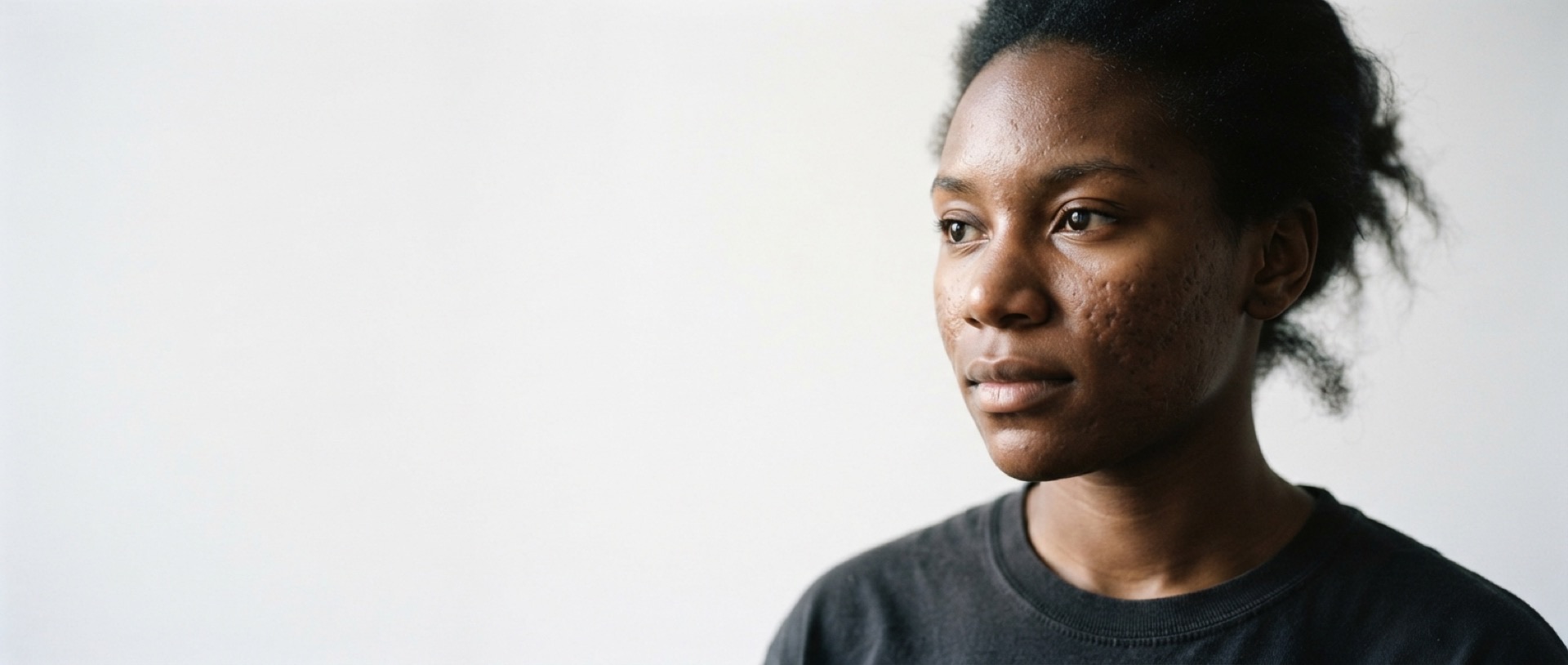
A systematic review found evidence for azelaic acid across acne, rosacea, melasma and skin ageing – a range few single ingredients cover.
That makes it especially useful where concerns overlap: inflamed breakouts plus the brown marks they leave, or rosacea redness plus uneven tone. Its mechanisms include normalising follicular keratinisation and scavenging reactive oxygen species.
What ingredients are best paired with azelaic acid?
Niacinamide is an excellent partner for redness and sebum control. It also layers well with hyaluronic acid, ceramides and squalane, and can be combined with retinoids or salicylic acid if introduced gradually.
Expect a mild tingle for the first week or two. Because it is one of the few actives considered safe during pregnancy, it is often the substitute of choice when retinoids have to be paused. Take our Skin Quiz.
What are age spots?
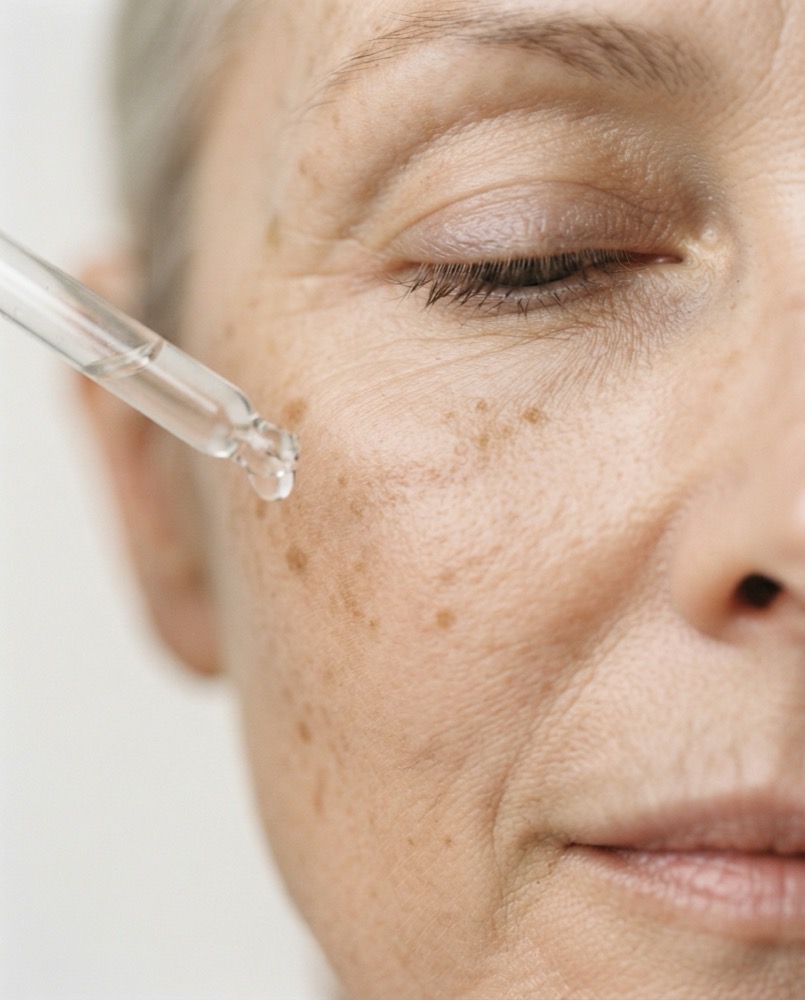
Age spots – known clinically as solar lentigines, and sometimes as liver spots – are flat, well-defined brown or tan patches that appear on skin with the most cumulative sun exposure: the face, backs of the hands, forearms, shoulders and upper chest.
Despite the name, they are not caused by age itself. They are a record of ultraviolet exposure, which is why they are common from the forties onward and why they cluster on areas that rarely get sunscreen.
What causes age spots?
Long-term UV exposure drives melanocytes to over-produce melanin in concentrated spots, and the surrounding keratinocytes stop clearing that pigment efficiently as skin ages.
Fair skin, a history of sunburns, tanning beds and outdoor work all raise the risk. Any new spot that changes shape, colour or size, bleeds or has an irregular border should be checked by a doctor rather than treated cosmetically.
What ingredients are best for age spots?
Topical treatment works but needs patience – expect three to six months. Retinoids speed turnover so pigmented cells shed faster, vitamin C and niacinamide brighten and protect, and alpha arbutin, kojic acid, azelaic acid and liquorice root inhibit new pigment.
Glycolic or lactic acid helps lift existing pigment from the surface. Daily broad-spectrum SPF, including on hands and chest, is what prevents new spots forming. Take our Skin Quiz.