What is argan oil in skincare?
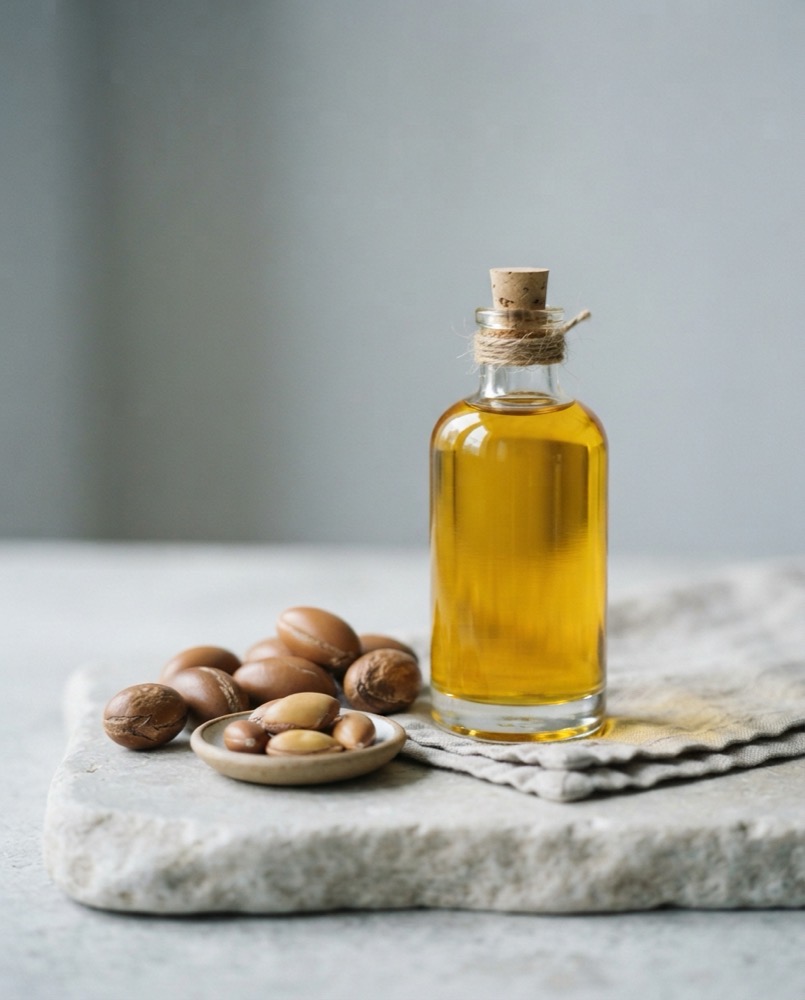
Argan oil is pressed from the kernels of the argan tree, which grows almost exclusively in southwestern Morocco. Cosmetic-grade oil comes from unroasted kernels, which is why it has a far milder scent than the culinary version.
It is roughly 80% unsaturated fatty acids – mainly oleic and linoleic – with a high content of vitamin E and polyphenols. Reviews of its medical and cosmetic uses cover antioxidant, anti-inflammatory and emollient activity.
What skin concerns does argan oil treat?
It is primarily a moisturiser and barrier support for dry, dehydrated or mature skin, and its linoleic acid content helps calm inflammation in eczema-prone and reactive skin.
A controlled study in postmenopausal women found daily topical argan oil significantly improved skin elasticity over twelve weeks, with dietary intake adding further benefit. It is also widely used on hair, nails and stretch marks.
What ingredients are best paired with argan oil?
Apply it over a humectant – hyaluronic acid or glycerin – so it seals moisture in rather than sitting on dry skin. It complements ceramides, squalane and shea butter for barrier repair.
Its vitamin E content makes it a natural partner for vitamin C serums, and it buffers retinoid dryness well. It sits at the moderate end of comedogenicity, so oily and very acne-prone skin may prefer jojoba or squalane instead. Take our Skin Quiz.
What is melasma?
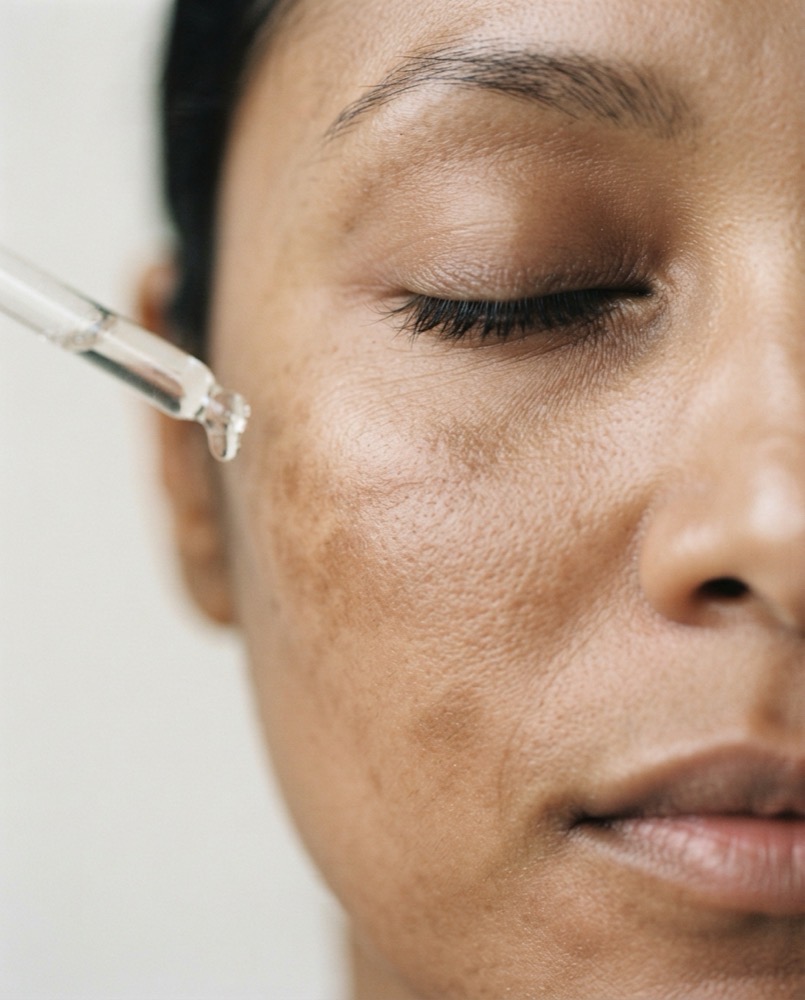
Melasma is a common form of acquired hyperpigmentation that appears as symmetrical brown or greyish-brown patches, most often across the cheeks, forehead, upper lip and jawline. It develops when melanocytes – the pigment-producing cells in the skin – become overactive and deposit excess melanin into the epidermis, the dermis, or both.
It is far more common in women and in medium to deeper skin tones, and it behaves as a chronic, relapsing condition rather than a one-off mark – which is why management matters as much as treatment.
What causes melasma?
Three triggers dominate: ultraviolet and visible light exposure, hormonal change (pregnancy, oral contraceptives and hormone therapy – hence its nickname, the mask of pregnancy), and genetic predisposition.
Heat, visible light from sunlight and screens, inflammation from harsh products or aggressive procedures, and certain medications all make existing patches worse. Because the triggers are ongoing, melasma typically fades and returns rather than clearing permanently.
What ingredients are best for melasma?
Daily broad-spectrum sunscreen is non-negotiable, and a tinted mineral SPF containing iron oxides is best because it also screens the visible light that drives pigment production.
On top of that, the most evidence-backed actives are tranexamic acid, azelaic acid, niacinamide, vitamin C, alpha arbutin, kojic acid, liquorice root extract, retinoids and gentle alpha-hydroxy acids. Avoid harsh scrubs and strong heat, both of which can rebound the pigment. Take our Skin Quiz to build a routine around your skin tone and triggers.