

What is argan oil in skincare?
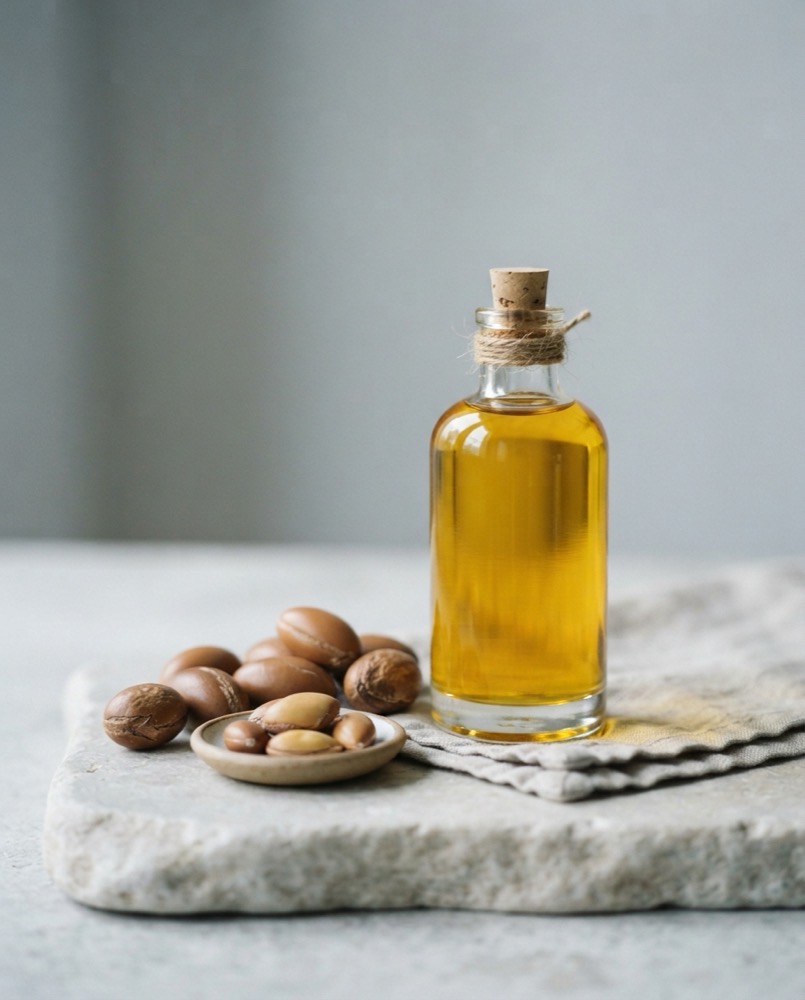
Argan oil is pressed from the kernels of the argan tree, which grows almost exclusively in southwestern Morocco. Cosmetic-grade oil comes from unroasted kernels, which is why it has a far milder scent than the culinary version.
It is roughly 80% unsaturated fatty acids – mainly oleic and linoleic – with a high content of vitamin E and polyphenols. Reviews of its medical and cosmetic uses cover antioxidant, anti-inflammatory and emollient activity.
What skin concerns does argan oil treat?
It is primarily a moisturiser and barrier support for dry, dehydrated or mature skin, and its linoleic acid content helps calm inflammation in eczema-prone and reactive skin.
A controlled study in postmenopausal women found daily topical argan oil significantly improved skin elasticity over twelve weeks, with dietary intake adding further benefit. It is also widely used on hair, nails and stretch marks.
What ingredients are best paired with argan oil?
Apply it over a humectant – hyaluronic acid or glycerin – so it seals moisture in rather than sitting on dry skin. It complements ceramides, squalane and shea butter for barrier repair.
Its vitamin E content makes it a natural partner for vitamin C serums, and it buffers retinoid dryness well. It sits at the moderate end of comedogenicity, so oily and very acne-prone skin may prefer jojoba or squalane instead. Take our Skin Quiz.
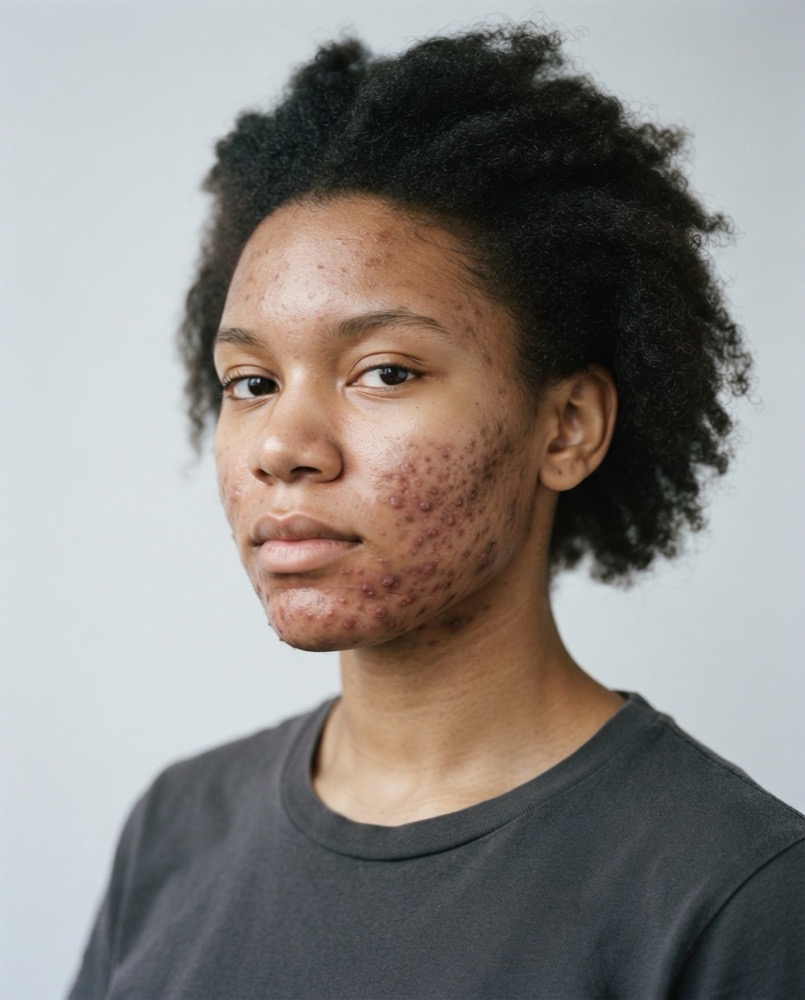
What is cystic acne?
Cystic acne is the most severe form of inflammatory acne. Instead of surface pimples, it produces deep, tender nodules and fluid-filled cysts that sit under the skin, often without ever coming to a head.
It happens when a blocked follicle ruptures deep in the dermis and spills sebum, keratin and bacteria into surrounding tissue, triggering a strong immune inflammatory response. Because the damage is deep, cystic acne is the type most likely to scar.
What causes cystic acne?
The same four factors behind all acne, amplified: excess sebum, abnormal shedding inside the follicle, overgrowth of Cutibacterium acnes, and inflammation. Androgens drive sebum production, which is why cystic acne often tracks with hormonal cycles, PCOS or puberty.
Genetics strongly influence severity, and stress, high-glycaemic diets, occlusive products and picking at lesions all make it worse. Squeezing a cyst pushes the contents deeper and reliably increases scarring.
What ingredients are best for cystic acne?
Cystic acne genuinely warrants a dermatologist – oral treatment is often needed. Alongside that, topical retinoids are the most useful over-the-counter active, because they work on the plug before it ruptures.
Benzoyl peroxide reduces bacterial load, azelaic acid calms inflammation and post-acne marks, and niacinamide helps redness without irritation. Keep the rest of the routine gentle and barrier-focused – harsh scrubs and drying alcohol make deep lesions angrier. Take our Skin Quiz.