What is argan oil in skincare?
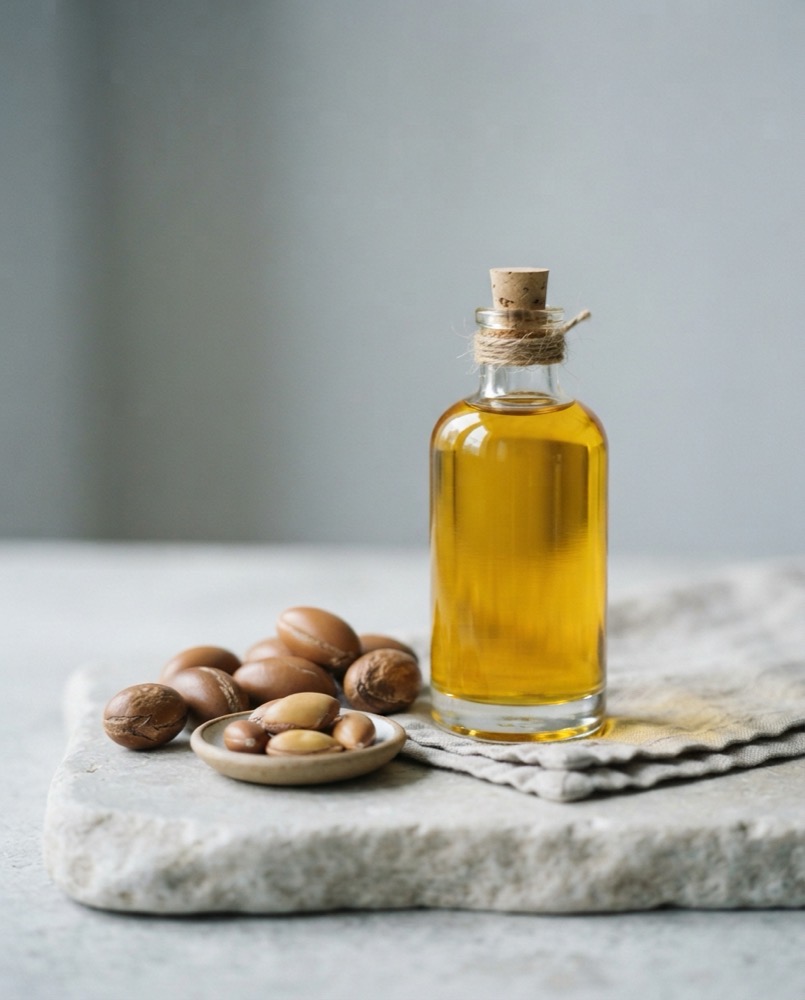
Argan oil is pressed from the kernels of the argan tree, which grows almost exclusively in southwestern Morocco. Cosmetic-grade oil comes from unroasted kernels, which is why it has a far milder scent than the culinary version.
It is roughly 80% unsaturated fatty acids – mainly oleic and linoleic – with a high content of vitamin E and polyphenols. Reviews of its medical and cosmetic uses cover antioxidant, anti-inflammatory and emollient activity.
What skin concerns does argan oil treat?
It is primarily a moisturiser and barrier support for dry, dehydrated or mature skin, and its linoleic acid content helps calm inflammation in eczema-prone and reactive skin.
A controlled study in postmenopausal women found daily topical argan oil significantly improved skin elasticity over twelve weeks, with dietary intake adding further benefit. It is also widely used on hair, nails and stretch marks.
What ingredients are best paired with argan oil?
Apply it over a humectant – hyaluronic acid or glycerin – so it seals moisture in rather than sitting on dry skin. It complements ceramides, squalane and shea butter for barrier repair.
Its vitamin E content makes it a natural partner for vitamin C serums, and it buffers retinoid dryness well. It sits at the moderate end of comedogenicity, so oily and very acne-prone skin may prefer jojoba or squalane instead. Take our Skin Quiz.
What is bumpy skin?
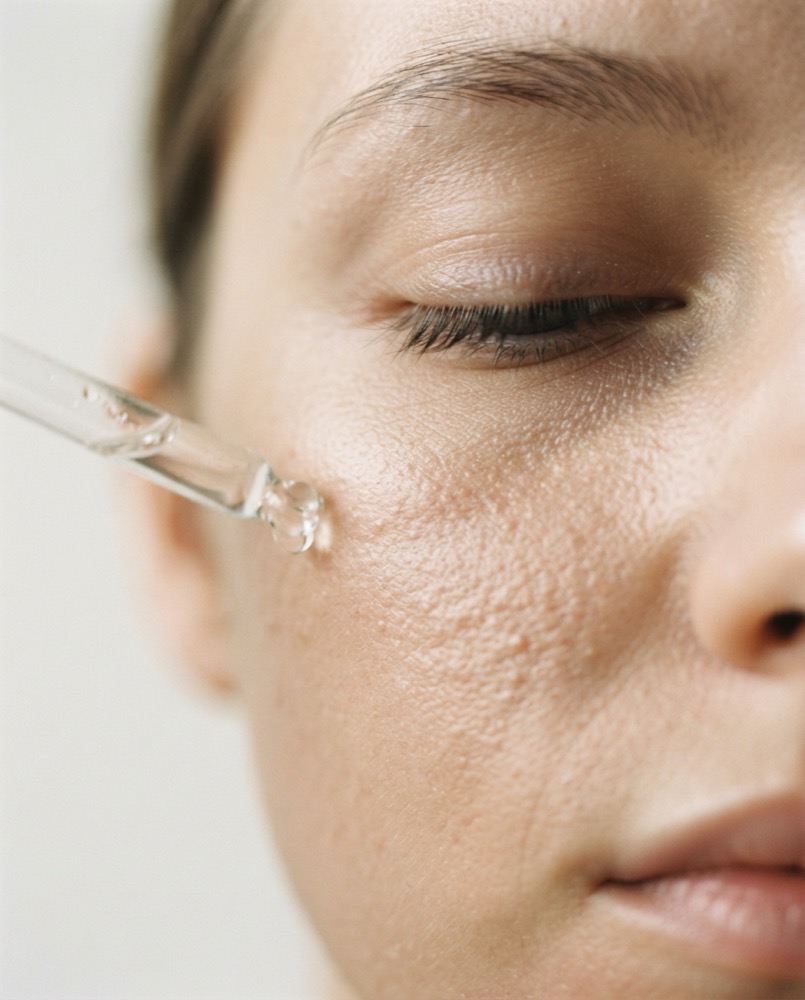
Bumpy skin is a texture problem rather than a single condition. It covers the rough, uneven surface you can feel more than see – most often keratosis pilaris (small hard bumps on the upper arms, thighs and cheeks), closed comedones, milia, or simple build-up of dead cells on the surface.
Keratosis pilaris in particular affects a large share of the population and is harmless, but it makes skin feel like sandpaper and can be stubborn to smooth out.
What causes bumpy skin?
Most bumpy texture comes from keratin plugging the follicle. When dead cells fail to shed cleanly, they collect at the pore opening and form a firm bump – a process closely linked to a weakened permeability barrier and low skin hydration.
Genetics, dry skin, cold weather, eczema and a history of over-scrubbing all make it worse. Aggressive physical exfoliation tends to backfire, inflaming the follicle and thickening the plug.
What ingredients are best for bumpy skin?
Chemical exfoliation works far better than scrubbing. Salicylic acid clears inside the follicle, lactic and glycolic acid loosen surface build-up, and urea both exfoliates and hydrates.
Retinoids normalise how skin sheds over time, while ceramides, niacinamide and hyaluronic acid keep the barrier strong so the plugs stop reforming. Consistency matters more than strength here. Take our Skin Quiz to work out which exfoliant your skin can tolerate.