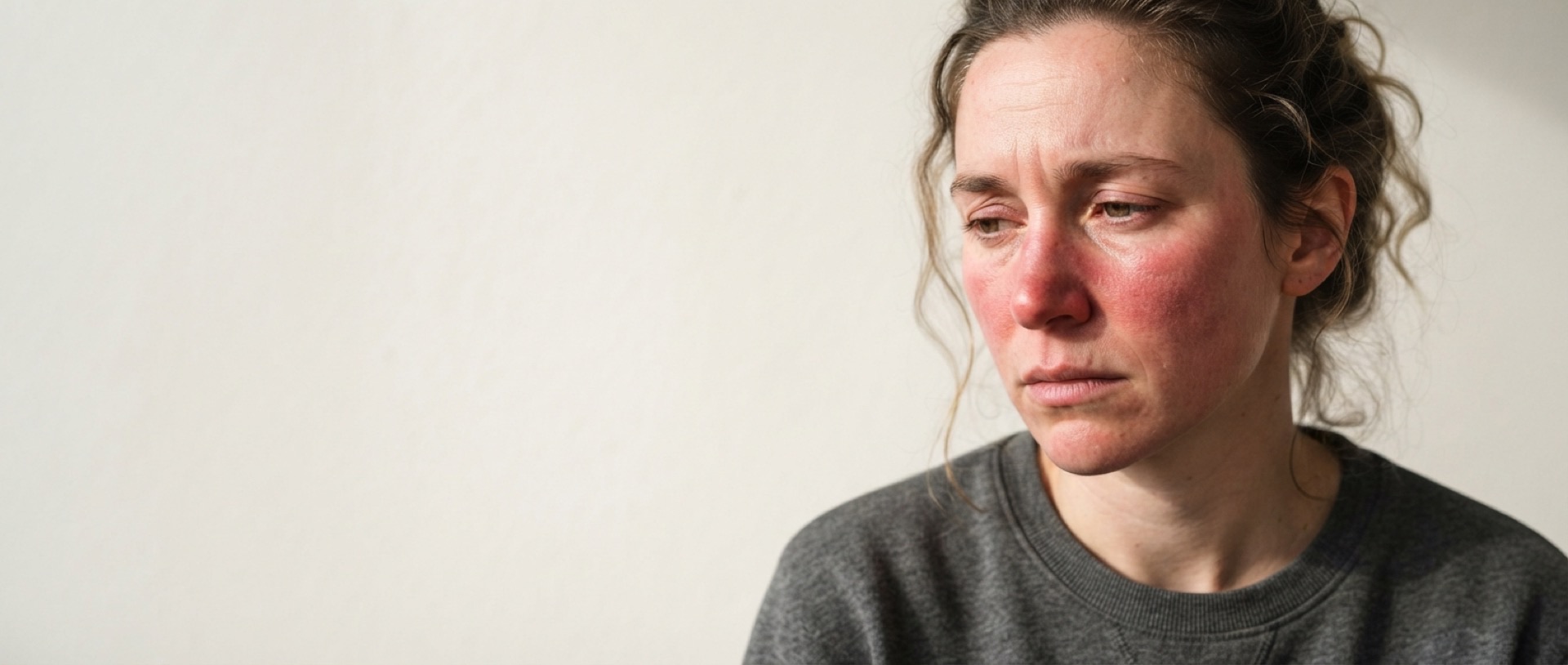
What is argan oil in skincare?
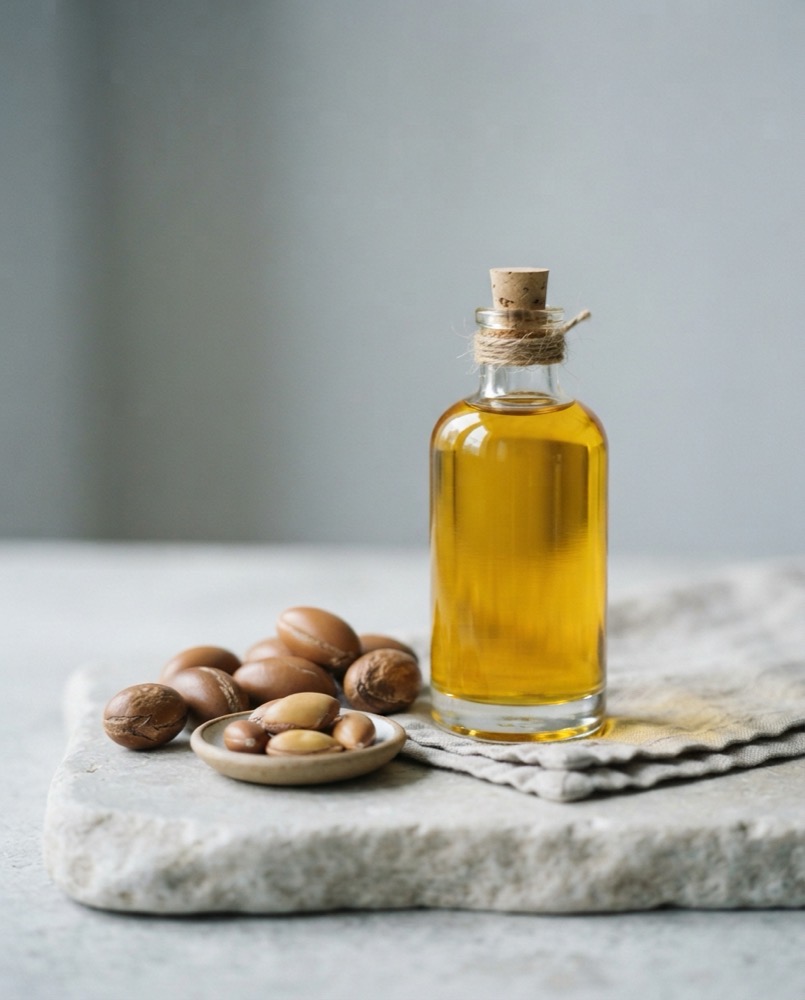
Argan oil is pressed from the kernels of the argan tree, which grows almost exclusively in southwestern Morocco. Cosmetic-grade oil comes from unroasted kernels, which is why it has a far milder scent than the culinary version.
It is roughly 80% unsaturated fatty acids – mainly oleic and linoleic – with a high content of vitamin E and polyphenols. Reviews of its medical and cosmetic uses cover antioxidant, anti-inflammatory and emollient activity.
What skin concerns does argan oil treat?
It is primarily a moisturiser and barrier support for dry, dehydrated or mature skin, and its linoleic acid content helps calm inflammation in eczema-prone and reactive skin.
A controlled study in postmenopausal women found daily topical argan oil significantly improved skin elasticity over twelve weeks, with dietary intake adding further benefit. It is also widely used on hair, nails and stretch marks.
What ingredients are best paired with argan oil?
Apply it over a humectant – hyaluronic acid or glycerin – so it seals moisture in rather than sitting on dry skin. It complements ceramides, squalane and shea butter for barrier repair.
Its vitamin E content makes it a natural partner for vitamin C serums, and it buffers retinoid dryness well. It sits at the moderate end of comedogenicity, so oily and very acne-prone skin may prefer jojoba or squalane instead. Take our Skin Quiz.
What are acne scars?
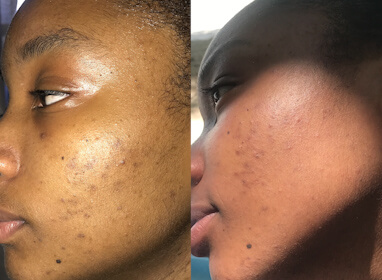
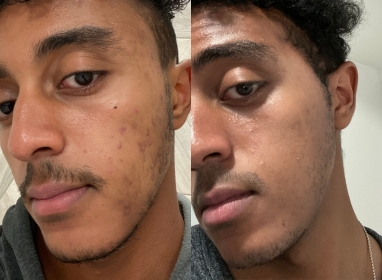
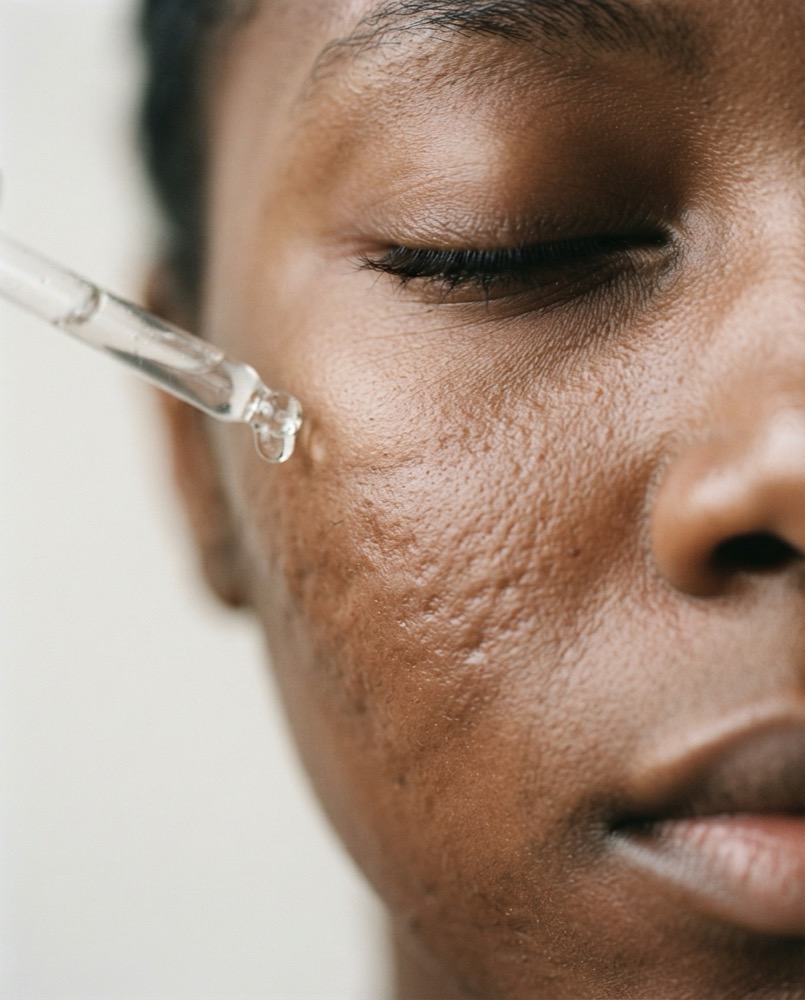
Acne scars are permanent changes in skin texture left behind after inflammatory acne damages the dermis. They fall into two families: atrophic scars, which sit below the surface as ice-pick, boxcar or rolling depressions, and hypertrophic or keloid scars, which sit raised above it.
What most people call scarring is often post-inflammatory hyperpigmentation or erythema – flat brown or red marks with no texture change. Those fade on their own; true atrophic scars do not.
What causes acne scars?
Scarring happens when inflammation reaches deep enough to destroy collagen and the repair process either lays down too little (atrophic) or too much (hypertrophic). Deep nodular and cystic lesions carry the highest risk.
Delaying treatment, picking or squeezing, and prolonged inflammation all increase the odds. Genetics play a large part in who scars and how, which is why two people with identical acne can heal very differently.
What ingredients are best for acne scars?
For flat marks, ingredients that speed turnover and calm pigment work well: retinoids, vitamin C, niacinamide, azelaic acid, alpha arbutin and AHAs, with daily SPF to stop marks darkening again.
For true textural scarring, topicals can soften but not erase – retinoids and peptides help remodel collagen over months, while in-clinic options like microneedling, resurfacing and subcision do the heavy lifting. Preventing new inflammation is the highest-value step. Take our Skin Quiz.