What is apple cider vinegar in skincare?
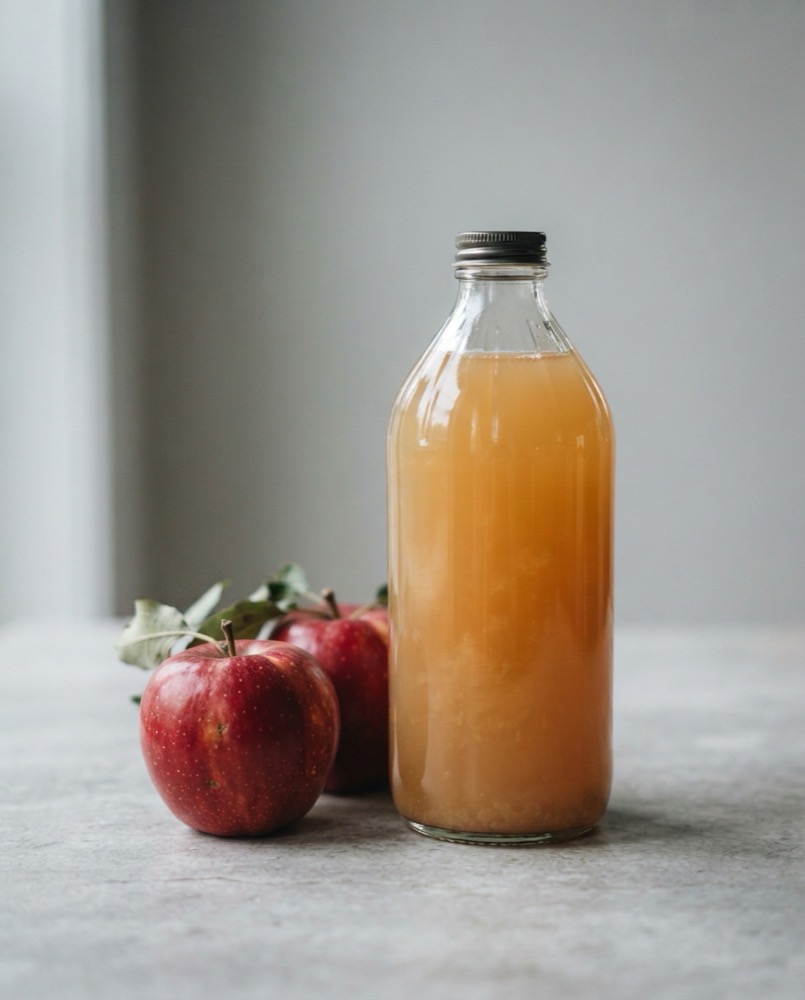
Apple cider vinegar is made by fermenting apple juice twice – first to alcohol, then to acetic acid. The result is a liquid of roughly 5 to 6% acetic acid with a pH around 2 to 3, plus trace malic acid and polyphenols.
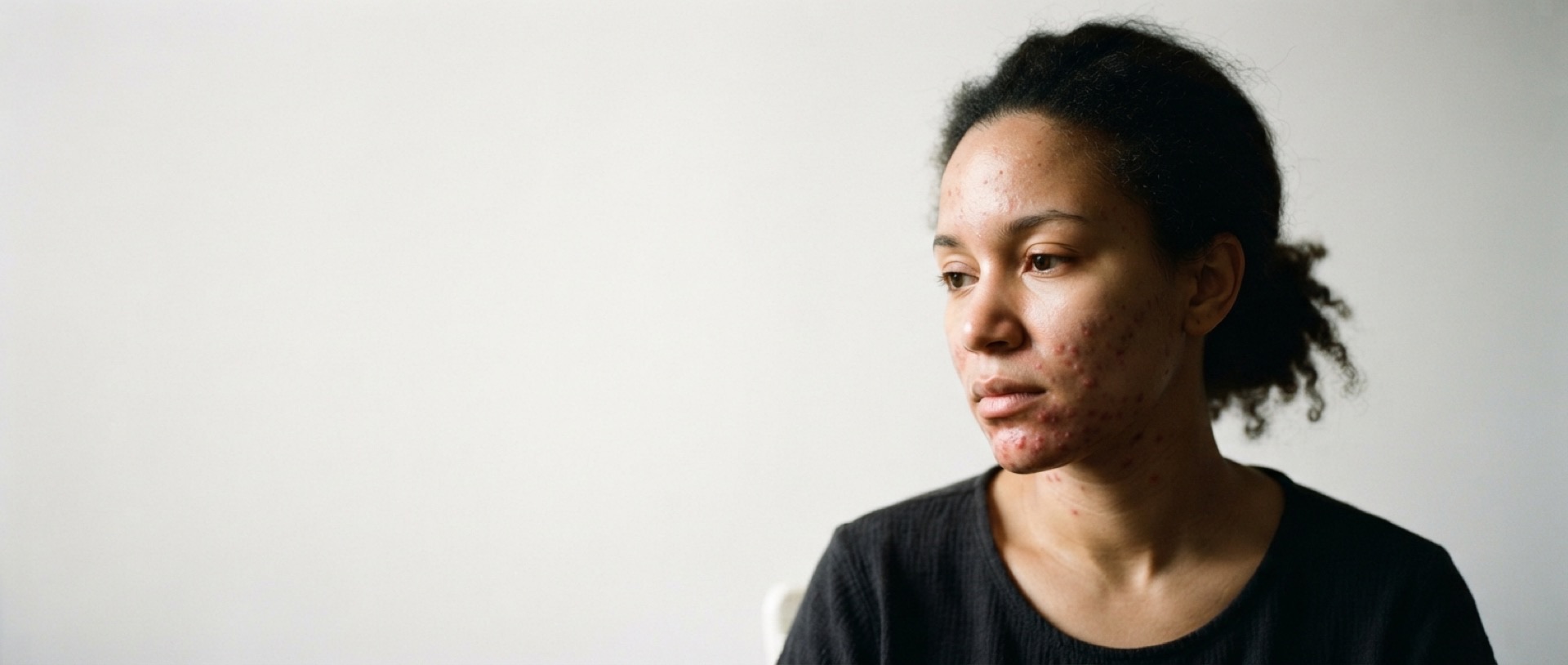
Its skincare reputation rests on the idea that its acidity restores the skin’s acid mantle and that its antimicrobial action clears acne. Both claims sound reasonable; neither has held up well under testing.
What skin concerns does apple cider vinegar treat?
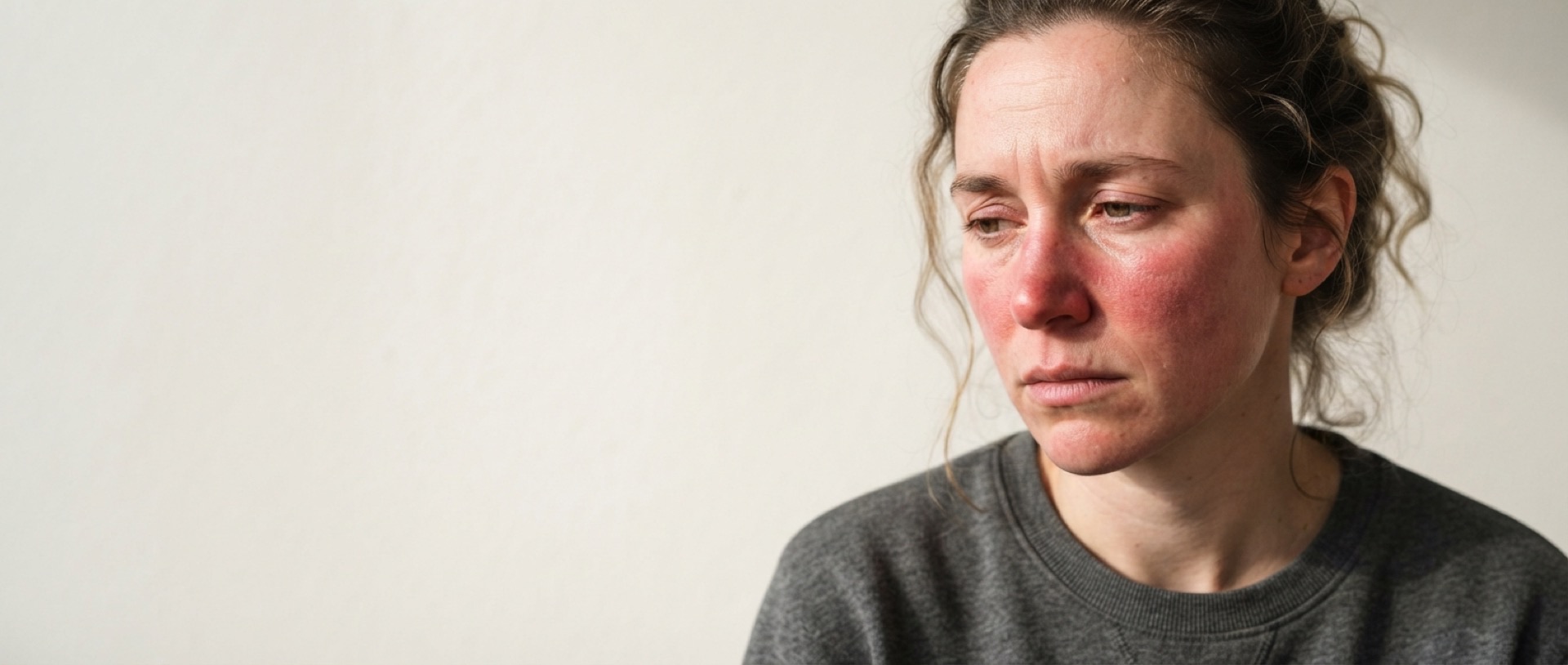
It is used as a toner, a spot treatment and a soak for eczema. The problem is concentration: undiluted ACV is roughly a hundred times more acidic than skin, and chemical burns from it are well documented in the dermatology literature.
The most direct test was unflattering. A clinical study found apple cider vinegar soaks did not improve skin barrier integrity in atopic dermatitis and caused irritation in most participants, and a companion study found they did not alter the skin bacterial microbiome either.
What ingredients are best paired with apple cider vinegar?
The practical answer is to keep it in the kitchen. If you insist on trying it, dilute heavily – one part vinegar to at least four parts water – patch test, keep it off broken or sensitive skin, and never leave it on overnight.
Everything it is reached for has a better-controlled alternative: lactic or glycolic acid for exfoliation and pH, salicylic acid or benzoyl peroxide for acne, and ceramides with niacinamide for barrier repair. Take our Skin Quiz.
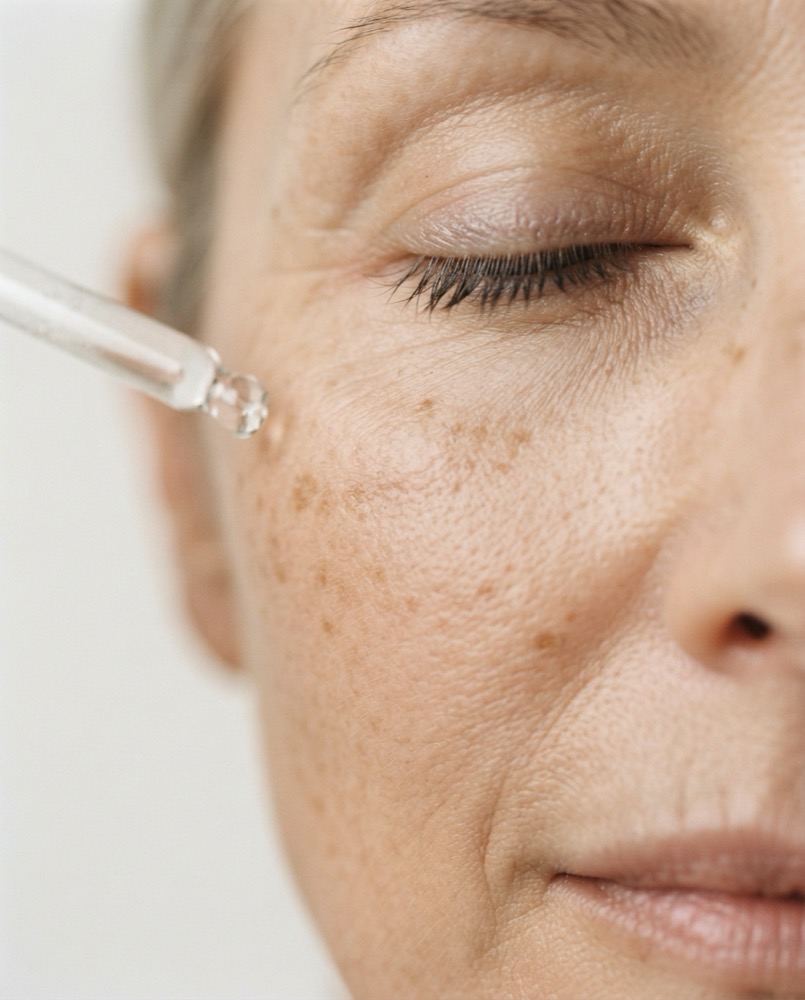
What are sun spots?
Sun spots are flat patches of concentrated pigment that form where skin has taken the most ultraviolet exposure – cheeks, nose, forehead, hands, shoulders and chest. Dermatologists call them solar lentigines; they are the same thing as age spots.
They are harmless, but they are a visible marker of accumulated photodamage, and they usually arrive alongside other signs of it: fine lines, loss of firmness and an uneven overall tone.
What causes sun spots?
UV radiation prompts melanocytes to produce extra melanin as a defence. With repeated exposure that response becomes localised and fixed, leaving discrete patches instead of an even tan that fades.
Tanning beds, sunburns in childhood, fair skin and outdoor time without protection all increase the count. Incidental exposure – driving, walking, sitting near a window – adds up more than most people expect.
What ingredients are best for sun spots?
Retinoids to accelerate turnover, vitamin C to protect and brighten, and pigment inhibitors such as alpha arbutin, kojic acid, azelaic acid, tranexamic acid and liquorice root are the core toolkit.
Gentle AHAs help shift surface pigment, and niacinamide slows the transfer of melanin into skin cells. None of it holds without daily broad-spectrum SPF and reapplication. Take our Skin Quiz.