What are antioxidants in skincare?
Antioxidants are molecules that neutralise free radicals – unstable oxygen species generated by UV light, pollution, smoke and normal metabolism. Left unchecked those radicals damage lipids, proteins and DNA in skin cells.
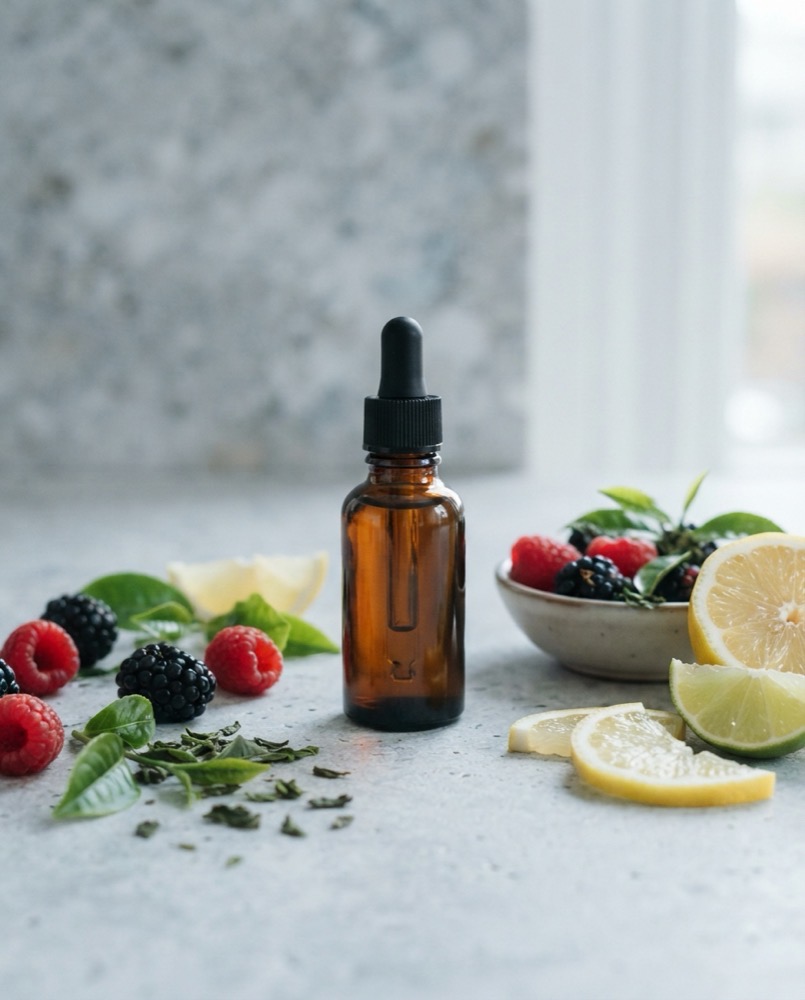
Skin has its own antioxidant network, but it is depleted by sun exposure and declines with age. Topical antioxidants top it back up. The category spans vitamin C, vitamin E, ferulic acid, niacinamide, resveratrol, green tea polyphenols, coenzyme Q10 and many botanical extracts.
What skin concerns do antioxidants treat?
They are primarily preventative, working against the oxidative damage behind photoageing – fine lines, loss of firmness, uneven tone and dullness.
Several also treat actively: vitamin C brightens pigment, niacinamide evens tone and controls oil, green tea and resveratrol calm inflammation. Applied under sunscreen they reduce the damage that gets through, which is why dermatologists treat them as a morning step rather than an optional extra.
What ingredients are best paired with antioxidants?
Antioxidants work as a network, regenerating one another, so combinations outperform any single one. The best-evidenced example is vitamin C with vitamin E and ferulic acid, which together measurably increase photoprotection beyond what each achieves alone.
Use them in the morning, always under broad-spectrum SPF – they reduce damage but do not block UV. At night, pair with retinoids and peptides for repair, and with ceramides and hyaluronic acid for barrier support. Take our Skin Quiz.
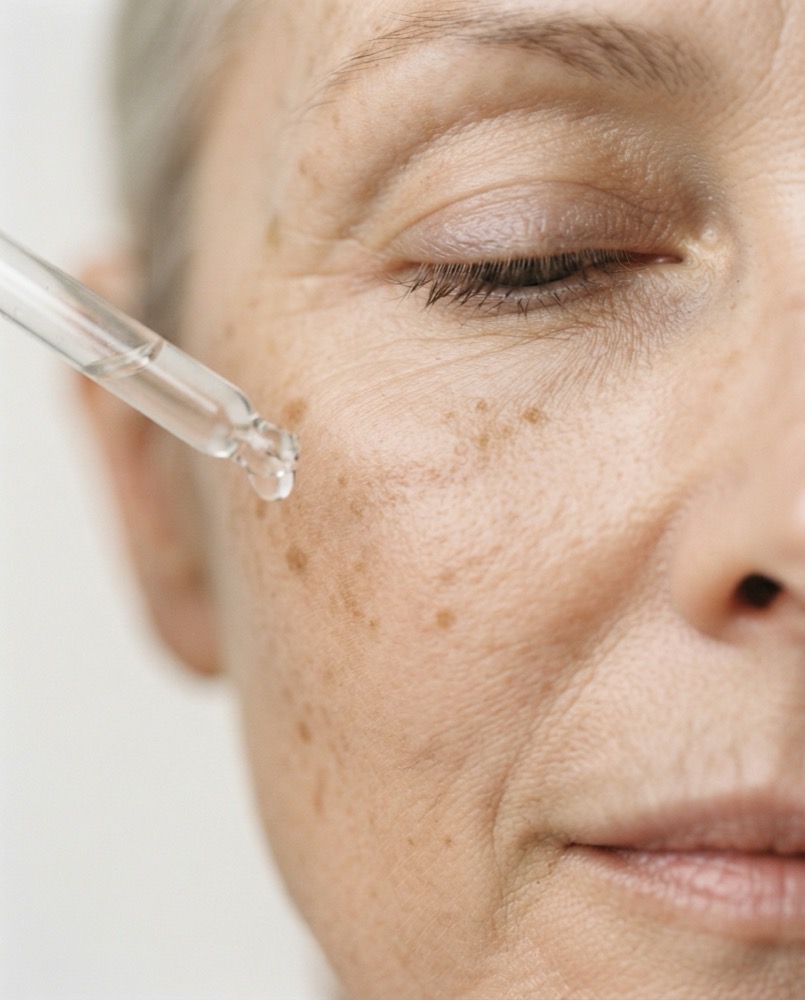
What are age spots?
Age spots – known clinically as solar lentigines, and sometimes as liver spots – are flat, well-defined brown or tan patches that appear on skin with the most cumulative sun exposure: the face, backs of the hands, forearms, shoulders and upper chest.
Despite the name, they are not caused by age itself. They are a record of ultraviolet exposure, which is why they are common from the forties onward and why they cluster on areas that rarely get sunscreen.
What causes age spots?
Long-term UV exposure drives melanocytes to over-produce melanin in concentrated spots, and the surrounding keratinocytes stop clearing that pigment efficiently as skin ages.
Fair skin, a history of sunburns, tanning beds and outdoor work all raise the risk. Any new spot that changes shape, colour or size, bleeds or has an irregular border should be checked by a doctor rather than treated cosmetically.
What ingredients are best for age spots?
Topical treatment works but needs patience – expect three to six months. Retinoids speed turnover so pigmented cells shed faster, vitamin C and niacinamide brighten and protect, and alpha arbutin, kojic acid, azelaic acid and liquorice root inhibit new pigment.
Glycolic or lactic acid helps lift existing pigment from the surface. Daily broad-spectrum SPF, including on hands and chest, is what prevents new spots forming. Take our Skin Quiz.