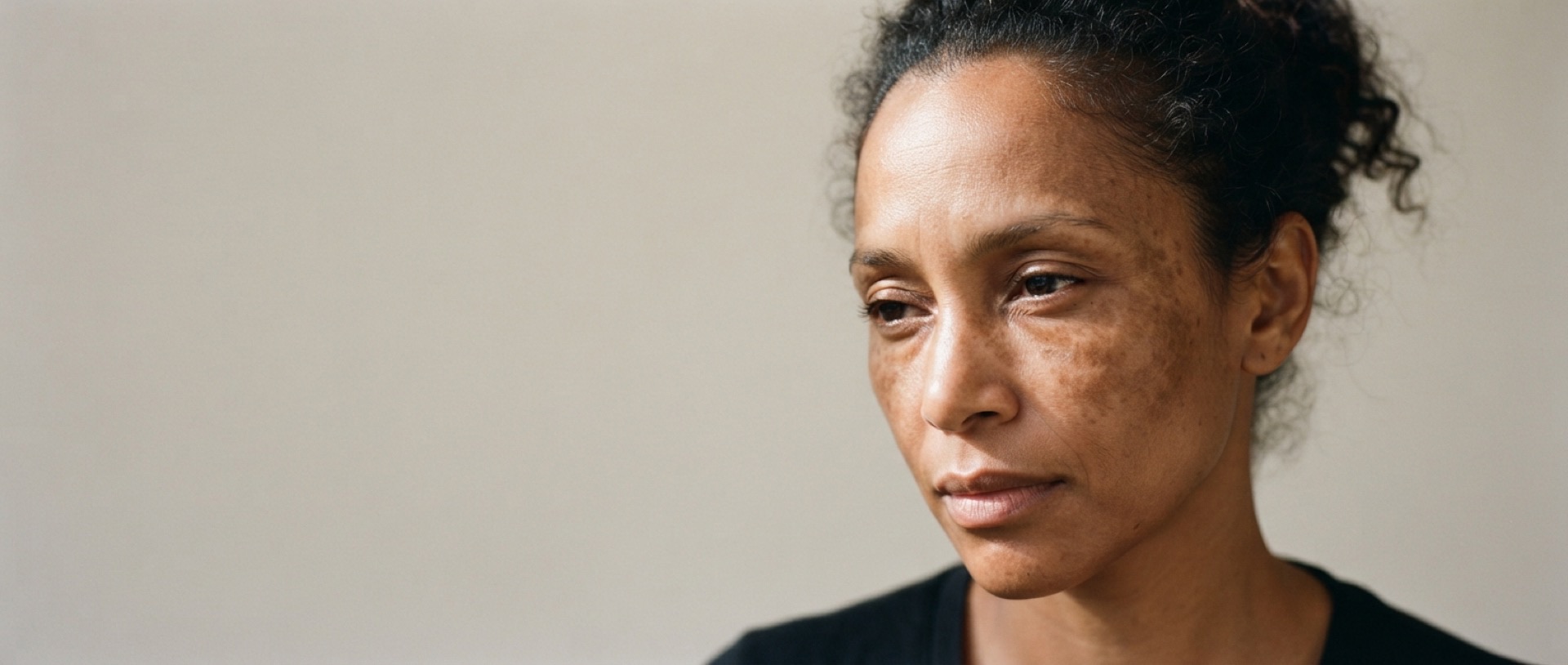
What is almond oil in skincare?
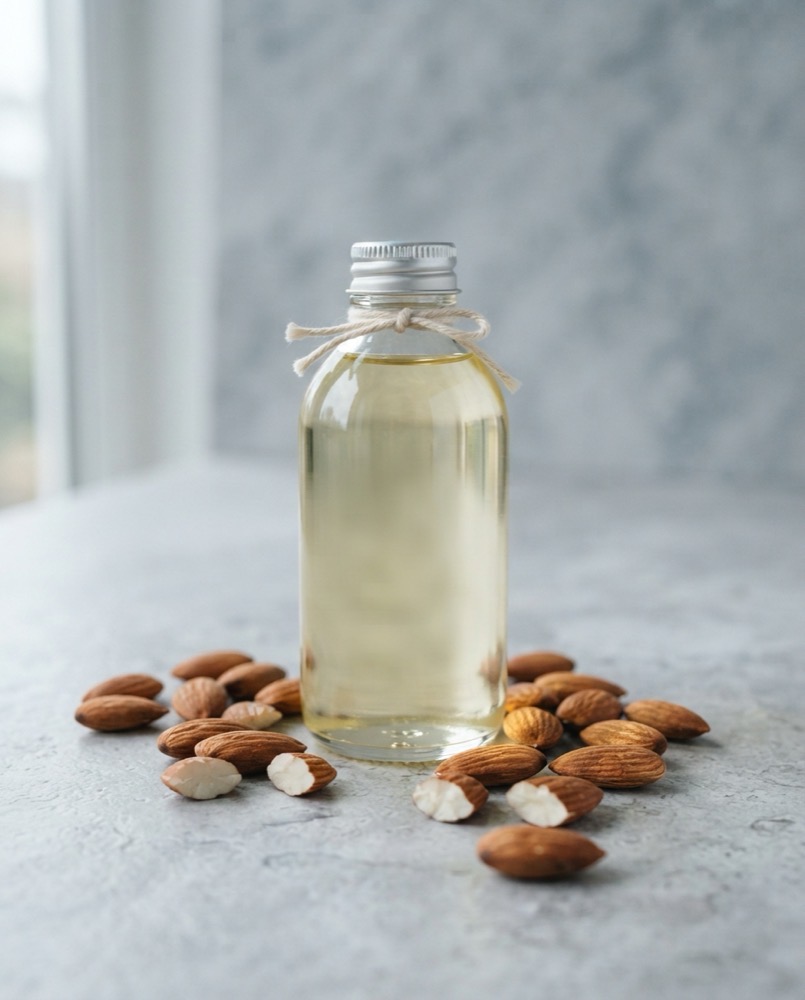
Sweet almond oil is cold-pressed from the kernels of Prunus dulcis. It is a light, pale oil made up largely of oleic and linoleic acid, with a useful concentration of vitamin E and phytosterols.
It absorbs more readily than heavier oils such as olive or castor, which is why it has long been used as a massage and body oil as well as a facial emollient.
What skin concerns does almond oil treat?
It softens dry, rough and flaky skin, and its linoleic acid and vitamin E content support the barrier and calm mild irritation – useful for eczema-prone skin and for chapped areas. Topical plant oils of this profile have documented anti-inflammatory and barrier-repair effects.
It is commonly used on stretch marks, under-eye dryness and cuticles. Anyone with a tree nut allergy should avoid it entirely, and everyone else should patch test, particularly if they have eczema.
What ingredients are best paired with almond oil?
Apply it over hyaluronic acid or glycerin on damp skin so it seals hydration in, and alongside ceramides for proper barrier repair.
It works well as a carrier for essential oils and as a gentle cleansing oil. It is mildly comedogenic, so very oily or acne-prone facial skin may do better with jojoba, squalane or grapeseed. Take our Skin Quiz.
What is cystic acne?
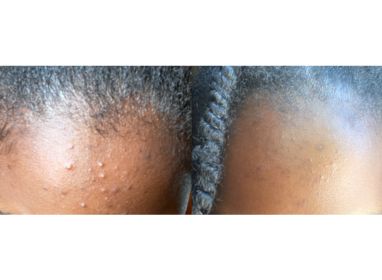
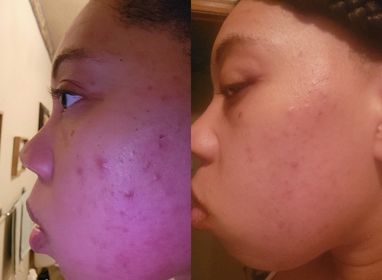
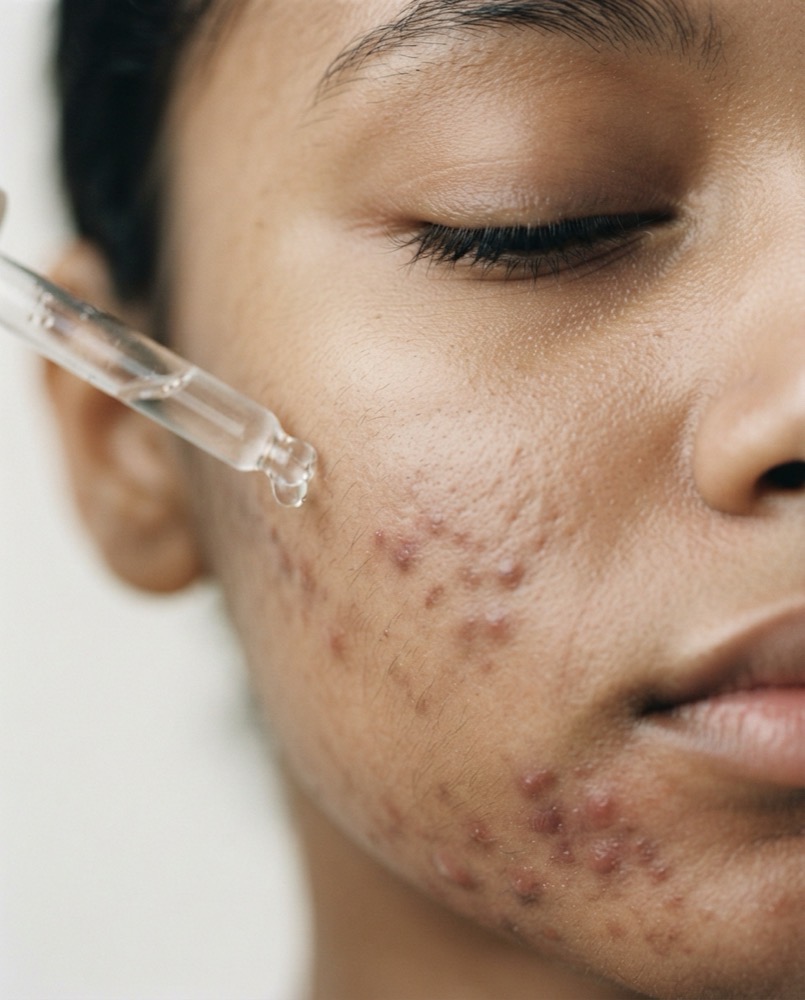
Cystic acne is the most severe form of inflammatory acne. Instead of surface pimples, it produces deep, tender nodules and fluid-filled cysts that sit under the skin, often without ever coming to a head.
It happens when a blocked follicle ruptures deep in the dermis and spills sebum, keratin and bacteria into surrounding tissue, triggering a strong immune inflammatory response. Because the damage is deep, cystic acne is the type most likely to scar.
What causes cystic acne?
The same four factors behind all acne, amplified: excess sebum, abnormal shedding inside the follicle, overgrowth of Cutibacterium acnes, and inflammation. Androgens drive sebum production, which is why cystic acne often tracks with hormonal cycles, PCOS or puberty.
Genetics strongly influence severity, and stress, high-glycaemic diets, occlusive products and picking at lesions all make it worse. Squeezing a cyst pushes the contents deeper and reliably increases scarring.
What ingredients are best for cystic acne?
Cystic acne genuinely warrants a dermatologist – oral treatment is often needed. Alongside that, topical retinoids are the most useful over-the-counter active, because they work on the plug before it ruptures.
Benzoyl peroxide reduces bacterial load, azelaic acid calms inflammation and post-acne marks, and niacinamide helps redness without irritation. Keep the rest of the routine gentle and barrier-focused – harsh scrubs and drying alcohol make deep lesions angrier. Take our Skin Quiz.