What are AHAs in skincare?
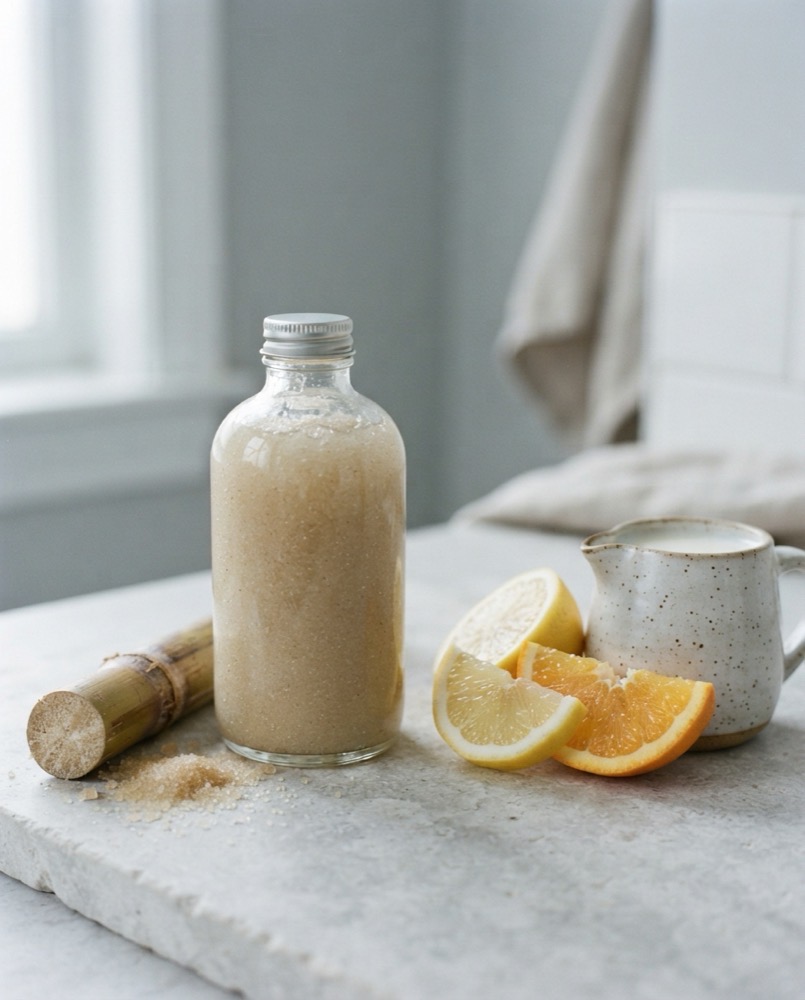
AHAs – alpha-hydroxy acids – are a family of water-soluble acids derived mostly from fruit, milk and sugar. The group includes glycolic acid (sugar cane), lactic acid (milk), mandelic acid (almonds), malic acid (apples) and citric acid.
They work on the surface of the skin, dissolving the bonds that hold dead cells together so the skin sheds evenly. Molecule size decides strength and tolerance: glycolic is the smallest and most potent, mandelic the largest and gentlest.
What skin concerns do AHAs treat?
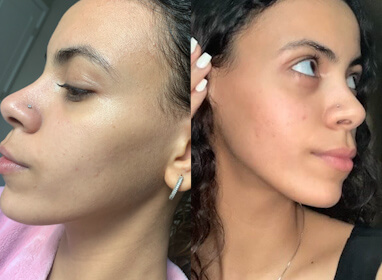
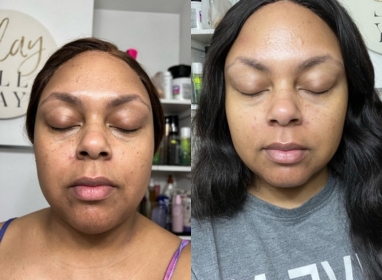
AHAs are the first choice for dullness, rough or flaky texture, uneven tone, sun spots, post-acne marks and fine lines. Because they are water-soluble they suit normal to dry skin particularly well.
Beyond exfoliation, sustained use improves hydration, thickens the living epidermis and stimulates collagen, so the change is more than superficial.
What ingredients are best paired with AHAs?
Rebuild after exfoliating: hyaluronic acid, glycerin, ceramides, panthenol and squalane restore what acids strip. Niacinamide supports tone and barrier repair alongside them.
Keep AHAs away from retinoids, BHAs and benzoyl peroxide within the same routine step unless your skin is well conditioned, and start at two or three nights a week. AHAs raise UV sensitivity, so daily broad-spectrum SPF is required. Take our Skin Quiz.
What are wrinkles?
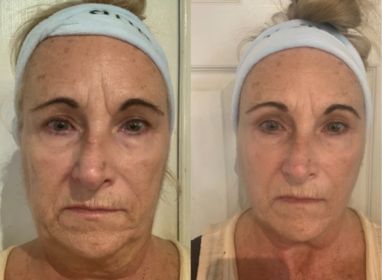
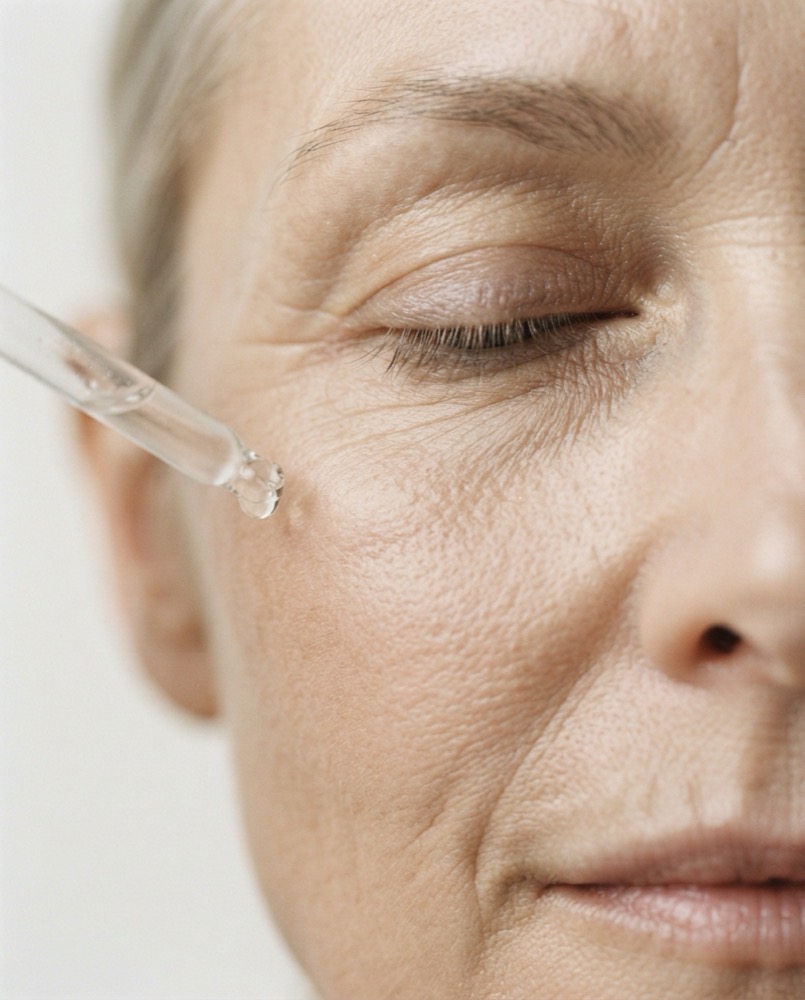
Wrinkles are permanent folds and creases in the skin. They begin as dynamic lines that appear only with expression, then set into static lines visible at rest once the underlying support structure can no longer push them back out.
They form first where skin is thin and movement is constant: crow’s feet, forehead lines, frown lines between the brows, and nasolabial folds. Deeper folds also reflect loss of fat and bone volume, not just skin change.
What causes wrinkles?
Internally, collagen and elastin production declines steadily from the mid-twenties and the dermal matrix thins, so skin loses the scaffolding that keeps it smooth.
Externally, ultraviolet radiation does most of the damage – it activates enzymes that break down collagen and degrades elastic fibres. Smoking, pollution, sugar-driven glycation, poor sleep, sleeping position and repeated facial movement all accelerate the process.
What ingredients are best for wrinkles?
Retinoids have the deepest evidence base for stimulating collagen and measurably reducing wrinkle depth over six to twelve months. Vitamin C supports synthesis while neutralising the free radicals that break it down, and peptides signal repair.
Round it out with hyaluronic acid and ceramides for hydration and barrier strength, niacinamide for elasticity and tone, and AHAs for surface renewal. Daily broad-spectrum SPF is the most effective anti-wrinkle product there is. Take our Skin Quiz.