

What are AHAs in skincare?
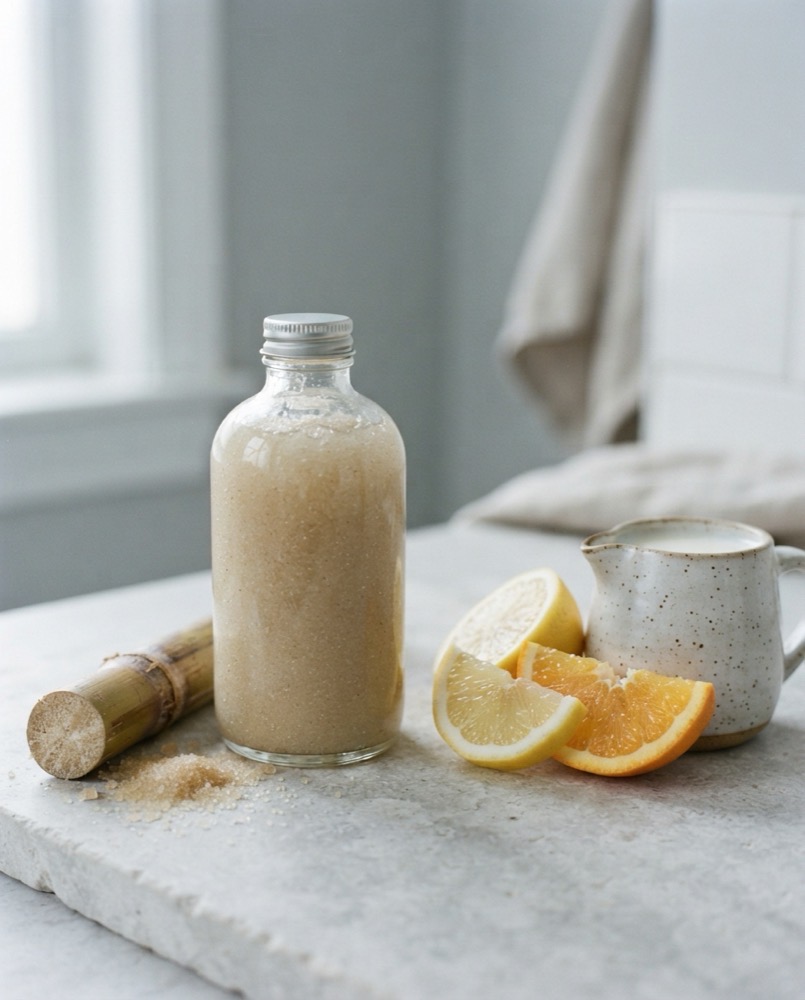
AHAs – alpha-hydroxy acids – are a family of water-soluble acids derived mostly from fruit, milk and sugar. The group includes glycolic acid (sugar cane), lactic acid (milk), mandelic acid (almonds), malic acid (apples) and citric acid.
They work on the surface of the skin, dissolving the bonds that hold dead cells together so the skin sheds evenly. Molecule size decides strength and tolerance: glycolic is the smallest and most potent, mandelic the largest and gentlest.
What skin concerns do AHAs treat?
AHAs are the first choice for dullness, rough or flaky texture, uneven tone, sun spots, post-acne marks and fine lines. Because they are water-soluble they suit normal to dry skin particularly well.
Beyond exfoliation, sustained use improves hydration, thickens the living epidermis and stimulates collagen, so the change is more than superficial.
What ingredients are best paired with AHAs?
Rebuild after exfoliating: hyaluronic acid, glycerin, ceramides, panthenol and squalane restore what acids strip. Niacinamide supports tone and barrier repair alongside them.
Keep AHAs away from retinoids, BHAs and benzoyl peroxide within the same routine step unless your skin is well conditioned, and start at two or three nights a week. AHAs raise UV sensitivity, so daily broad-spectrum SPF is required. Take our Skin Quiz.
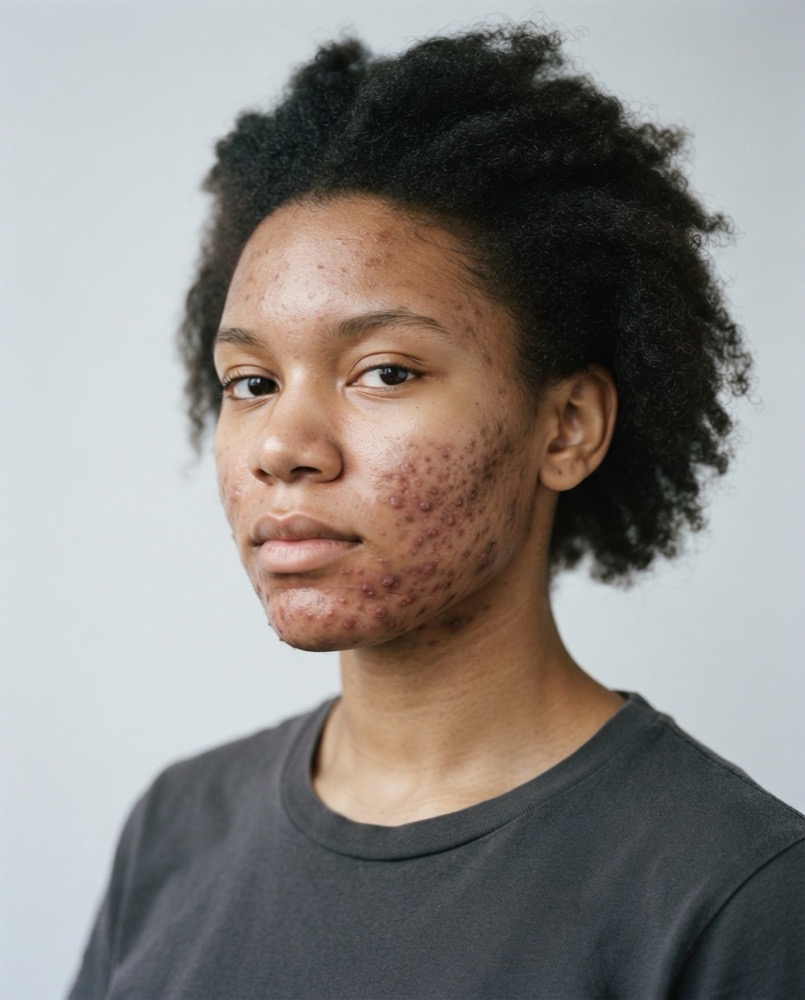
What is cystic acne?
Cystic acne is the most severe form of inflammatory acne. Instead of surface pimples, it produces deep, tender nodules and fluid-filled cysts that sit under the skin, often without ever coming to a head.
It happens when a blocked follicle ruptures deep in the dermis and spills sebum, keratin and bacteria into surrounding tissue, triggering a strong immune inflammatory response. Because the damage is deep, cystic acne is the type most likely to scar.
What causes cystic acne?
The same four factors behind all acne, amplified: excess sebum, abnormal shedding inside the follicle, overgrowth of Cutibacterium acnes, and inflammation. Androgens drive sebum production, which is why cystic acne often tracks with hormonal cycles, PCOS or puberty.
Genetics strongly influence severity, and stress, high-glycaemic diets, occlusive products and picking at lesions all make it worse. Squeezing a cyst pushes the contents deeper and reliably increases scarring.
What ingredients are best for cystic acne?
Cystic acne genuinely warrants a dermatologist – oral treatment is often needed. Alongside that, topical retinoids are the most useful over-the-counter active, because they work on the plug before it ruptures.
Benzoyl peroxide reduces bacterial load, azelaic acid calms inflammation and post-acne marks, and niacinamide helps redness without irritation. Keep the rest of the routine gentle and barrier-focused – harsh scrubs and drying alcohol make deep lesions angrier. Take our Skin Quiz.