

What are AHAs in skincare?
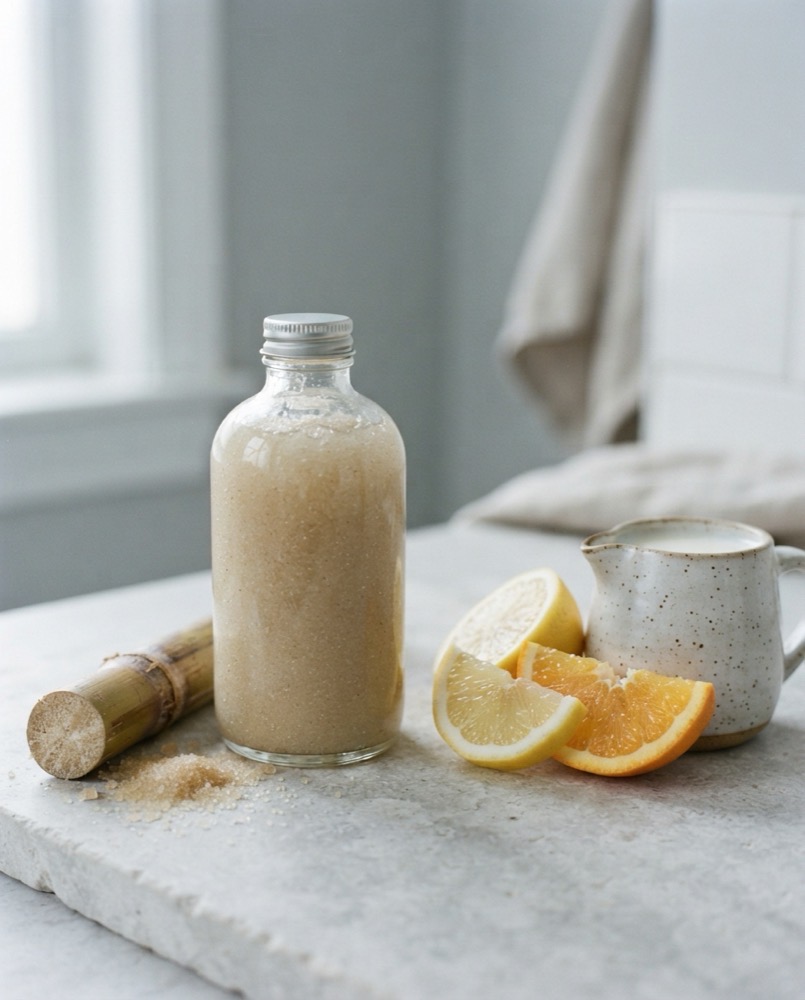
AHAs – alpha-hydroxy acids – are a family of water-soluble acids derived mostly from fruit, milk and sugar. The group includes glycolic acid (sugar cane), lactic acid (milk), mandelic acid (almonds), malic acid (apples) and citric acid.
They work on the surface of the skin, dissolving the bonds that hold dead cells together so the skin sheds evenly. Molecule size decides strength and tolerance: glycolic is the smallest and most potent, mandelic the largest and gentlest.
What skin concerns do AHAs treat?
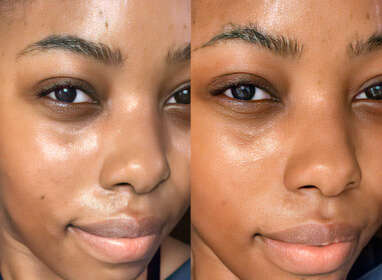
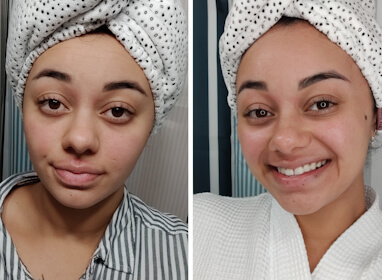
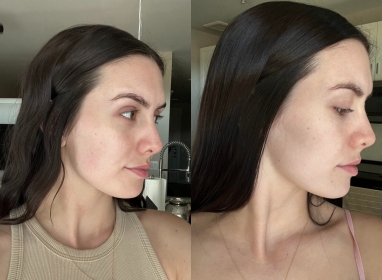
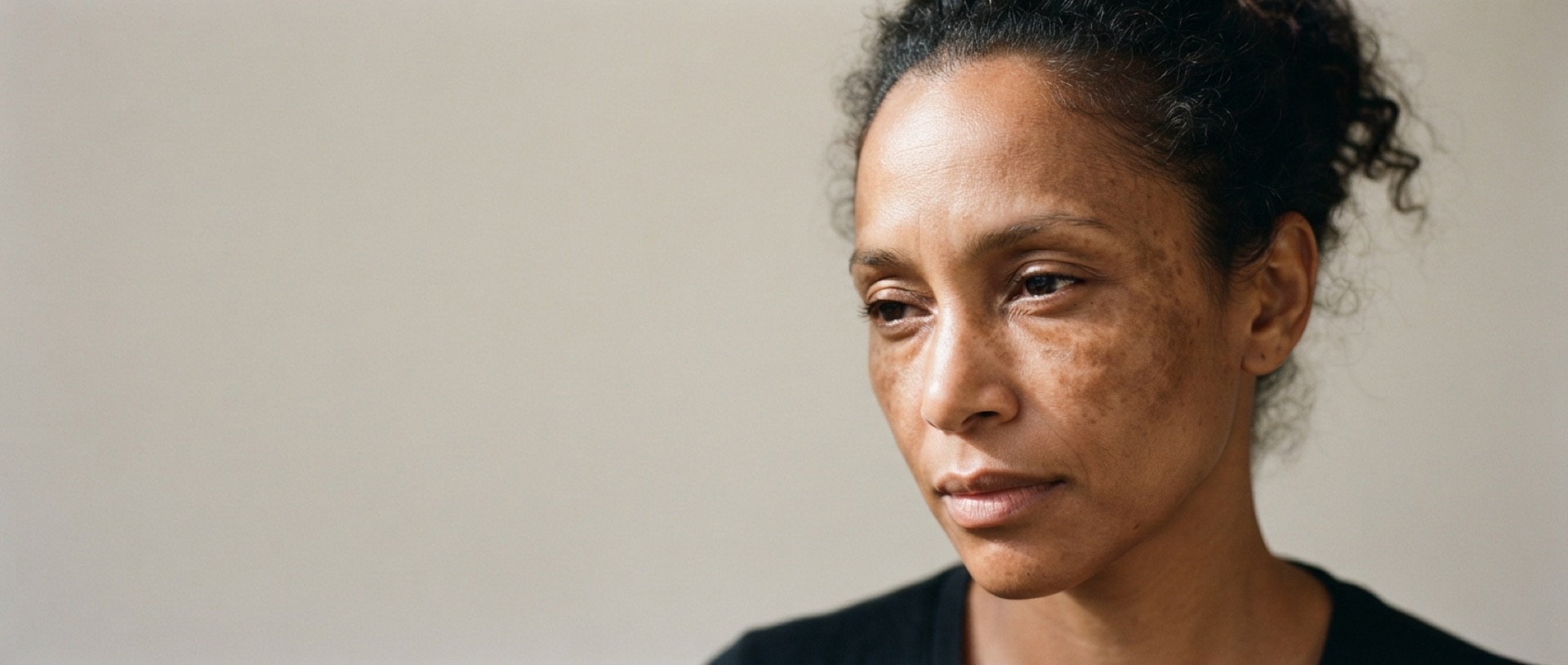
AHAs are the first choice for dullness, rough or flaky texture, uneven tone, sun spots, post-acne marks and fine lines. Because they are water-soluble they suit normal to dry skin particularly well.
Beyond exfoliation, sustained use improves hydration, thickens the living epidermis and stimulates collagen, so the change is more than superficial.
What ingredients are best paired with AHAs?
Rebuild after exfoliating: hyaluronic acid, glycerin, ceramides, panthenol and squalane restore what acids strip. Niacinamide supports tone and barrier repair alongside them.
Keep AHAs away from retinoids, BHAs and benzoyl peroxide within the same routine step unless your skin is well conditioned, and start at two or three nights a week. AHAs raise UV sensitivity, so daily broad-spectrum SPF is required. Take our Skin Quiz.
What are clogged pores?
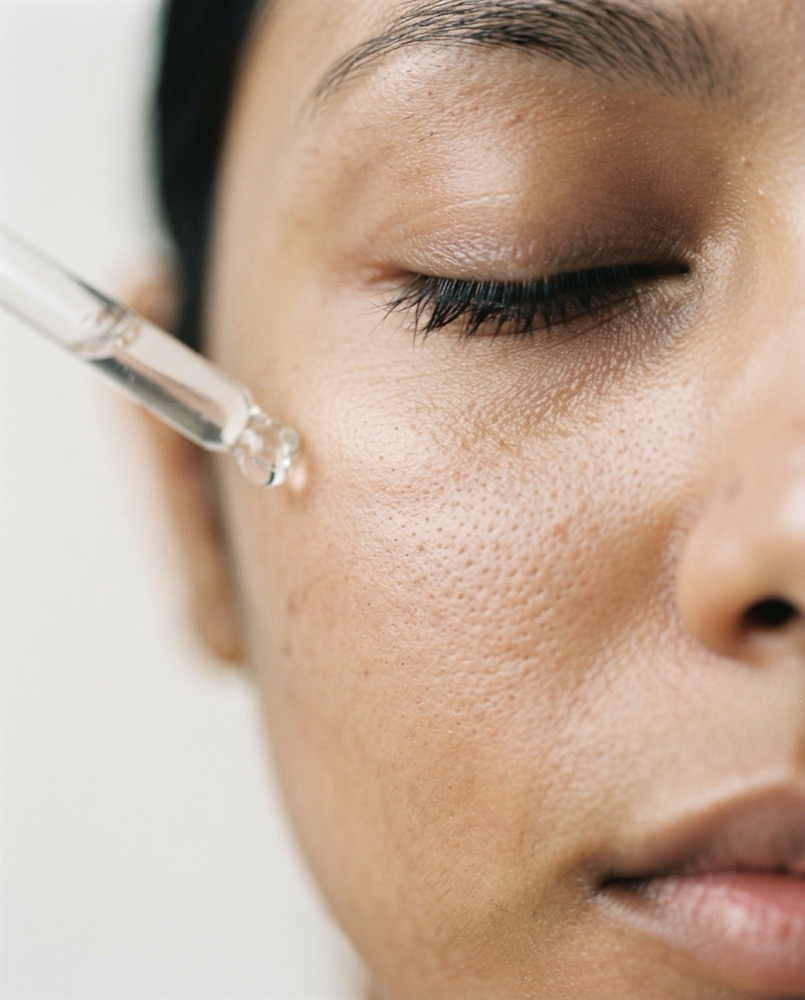
A clogged pore is a hair follicle blocked by a mix of sebum, dead skin cells and debris. Left open to the air the plug oxidises and darkens into a blackhead; sealed over by skin it becomes a whitehead or closed comedone.
Clogged pores are the starting point of nearly all acne – the microcomedone forms first, and inflammation follows only if bacteria and immune response get involved.
What causes clogged pores?
Excess sebum and abnormal keratinisation are the two mechanics. When the follicle lining sheds cells faster than they can clear, they bind with oil and form a plug.
Comedogenic products (heavy oils, some silicones and waxes), thick makeup worn for long stretches, humidity, sweat left on the skin, hormonal shifts and insufficient cleansing all contribute. So does over-cleansing, which damages the barrier and drives oil production up.
What ingredients are best for clogged pores?
Salicylic acid is the first choice because it is oil-soluble and works inside the pore rather than just on the surface. Glycolic and lactic acid clear the surface layer, and clay masks absorb excess oil weekly.
Retinoids are the most effective long-term fix, because they change how the follicle sheds in the first place. Add niacinamide to regulate sebum and keep the barrier intact, and switch to non-comedogenic, lightweight hydrators. Take our Skin Quiz to find products that will not re-clog you.