

What are adaptogens in skincare?
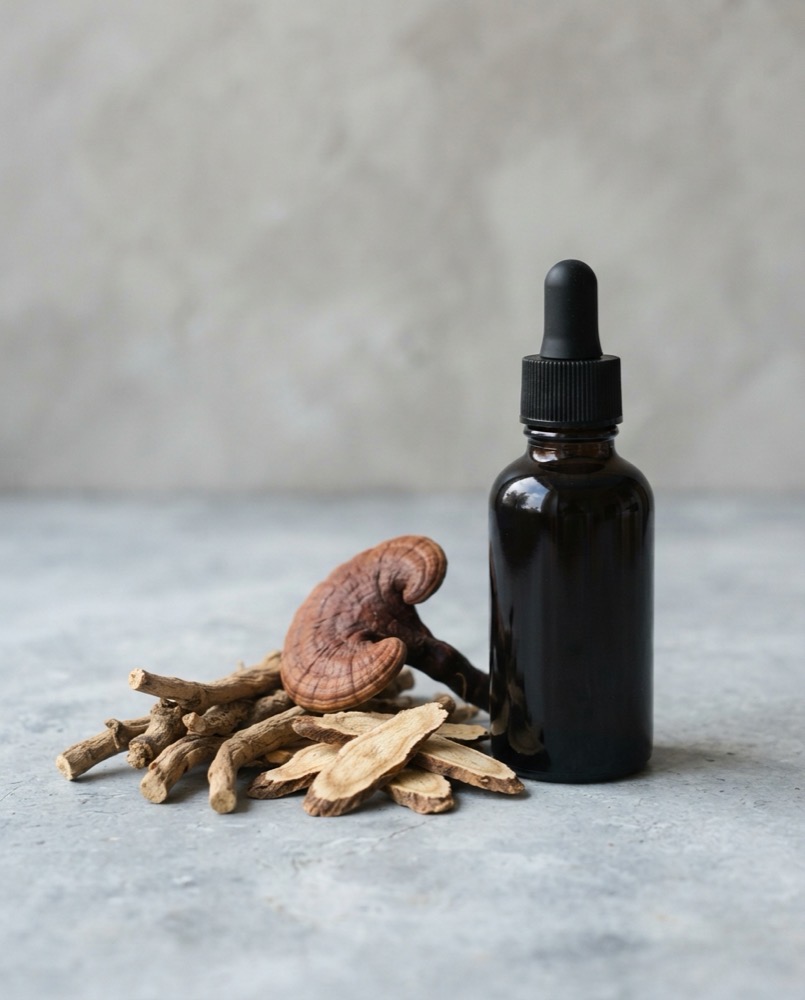
Adaptogens are plants traditionally used to help the body cope with stress – ashwagandha, ginseng, rhodiola, reishi and other medicinal mushrooms, holy basil, schisandra. The term comes from herbal medicine rather than dermatology.
The rationale for putting them in skincare rests on the link between stress and skin: cortisol drives inflammation, impairs the barrier and worsens acne, eczema and psoriasis. Reviews of adaptogen mechanisms describe effects on stress-response pathways at the cellular level.
What skin concerns do adaptogens treat?
Most adaptogens are also potent antioxidants and anti-inflammatories, which is where their topical benefit is clearest – calming redness, defending against free-radical damage, and supporting a barrier that stress has compromised.
The evidence is stronger for oral than topical use: randomised placebo-controlled work on ashwagandha shows measurable reductions in cortisol and stress. Applied to skin, treat them as a good antioxidant and soothing layer rather than a stress cure.
What ingredients are best paired with adaptogens?
They complement other antioxidants – vitamin C, vitamin E, niacinamide, green tea – and sit well alongside ceramides, hyaluronic acid and centella asiatica for barrier and calming work.
If stress is genuinely driving your skin, the routine is only part of the answer: sleep, exercise and the underlying stressor do more than any cream. Speak to a doctor before taking adaptogens orally, particularly with thyroid or autoimmune conditions or in pregnancy. Take our Skin Quiz.
What is rosacea?
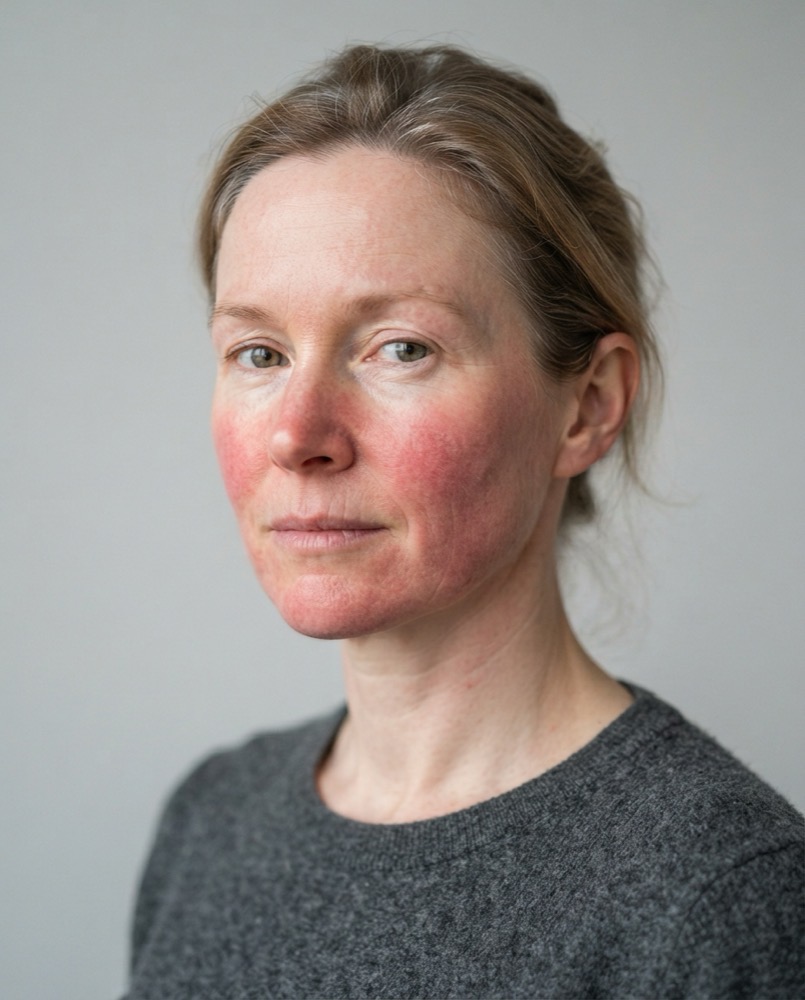
Rosacea is a chronic inflammatory skin condition that affects the central face – cheeks, nose, chin and forehead. It presents as persistent redness, visible broken capillaries, flushing that comes and goes, and in some subtypes acne-like papules and pustules.
Unlike acne, rosacea involves no comedones. It is driven by a combination of vascular hyper-reactivity, neurogenic inflammation and an overactive innate immune response, often with an impaired skin barrier alongside.
What causes rosacea?
There is no single cause. Genetic predisposition, an exaggerated immune response involving cathelicidin, overgrowth of Demodex mites, and dysfunction of the facial blood vessels all appear to contribute.
Flares are triggered by heat, sun exposure, alcohol, spicy food, hot drinks, exercise, stress, wind and cold, and by harsh skincare. Identifying and avoiding your own trigger set does as much as any product.
What ingredients are best for rosacea?
Azelaic acid and niacinamide are the standout actives – both reduce redness and inflammation without provoking the barrier. Sulphur, green tea extract, liquorice root and centella asiatica also calm reactive skin.
Build everything else around barrier repair: ceramides, glycerin, squalane and panthenol, with a gentle non-foaming cleanser and a mineral SPF every day. Avoid alcohol-heavy toners, fragrance, menthol, physical scrubs and high-strength acids. Take our Skin Quiz to build a routine your skin will tolerate.