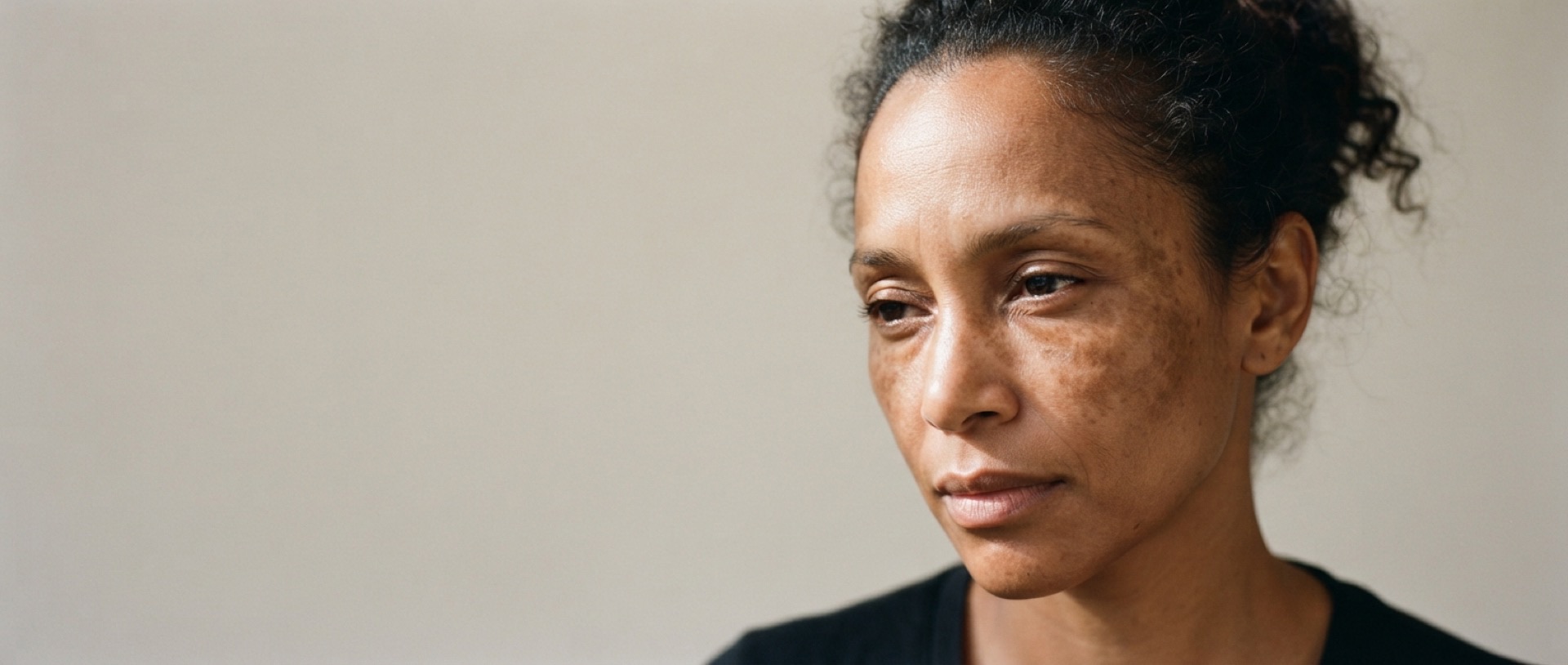
What are adaptogens in skincare?
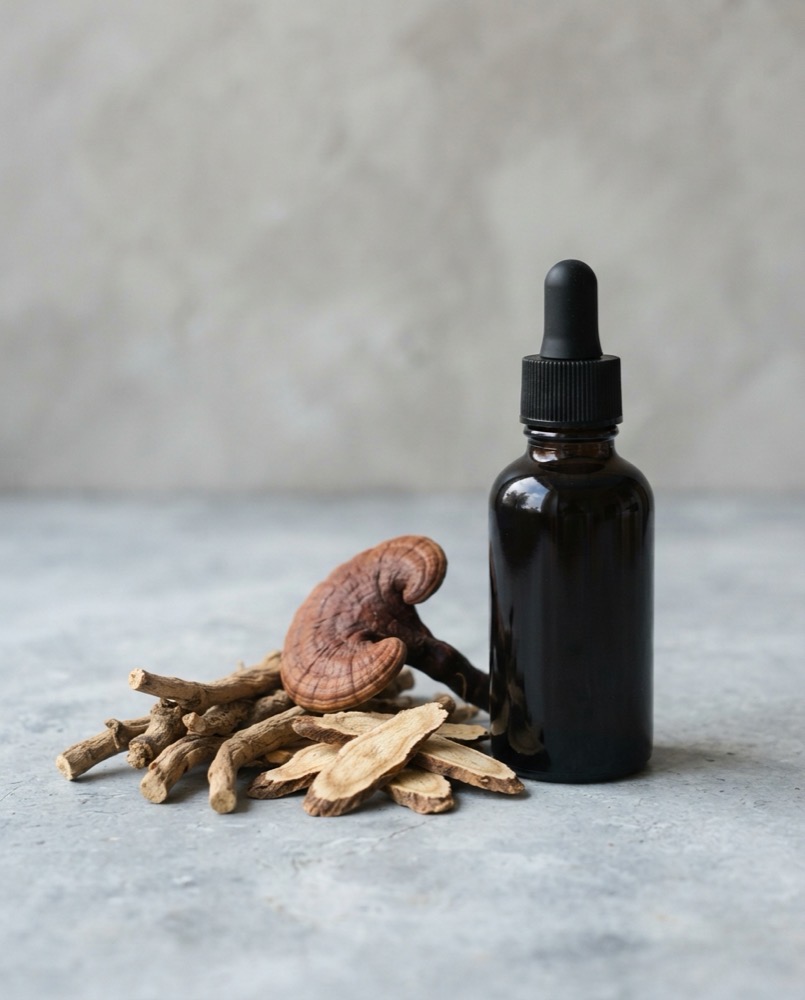
Adaptogens are plants traditionally used to help the body cope with stress – ashwagandha, ginseng, rhodiola, reishi and other medicinal mushrooms, holy basil, schisandra. The term comes from herbal medicine rather than dermatology.
The rationale for putting them in skincare rests on the link between stress and skin: cortisol drives inflammation, impairs the barrier and worsens acne, eczema and psoriasis. Reviews of adaptogen mechanisms describe effects on stress-response pathways at the cellular level.
What skin concerns do adaptogens treat?
Most adaptogens are also potent antioxidants and anti-inflammatories, which is where their topical benefit is clearest – calming redness, defending against free-radical damage, and supporting a barrier that stress has compromised.
The evidence is stronger for oral than topical use: randomised placebo-controlled work on ashwagandha shows measurable reductions in cortisol and stress. Applied to skin, treat them as a good antioxidant and soothing layer rather than a stress cure.
What ingredients are best paired with adaptogens?
They complement other antioxidants – vitamin C, vitamin E, niacinamide, green tea – and sit well alongside ceramides, hyaluronic acid and centella asiatica for barrier and calming work.
If stress is genuinely driving your skin, the routine is only part of the answer: sleep, exercise and the underlying stressor do more than any cream. Speak to a doctor before taking adaptogens orally, particularly with thyroid or autoimmune conditions or in pregnancy. Take our Skin Quiz.
What is cystic acne?
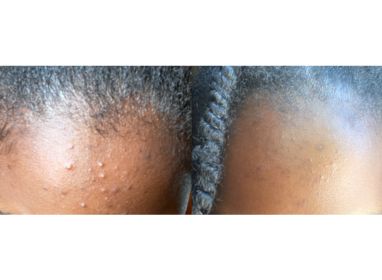
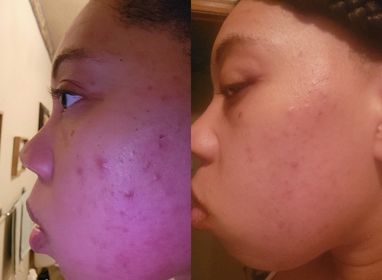
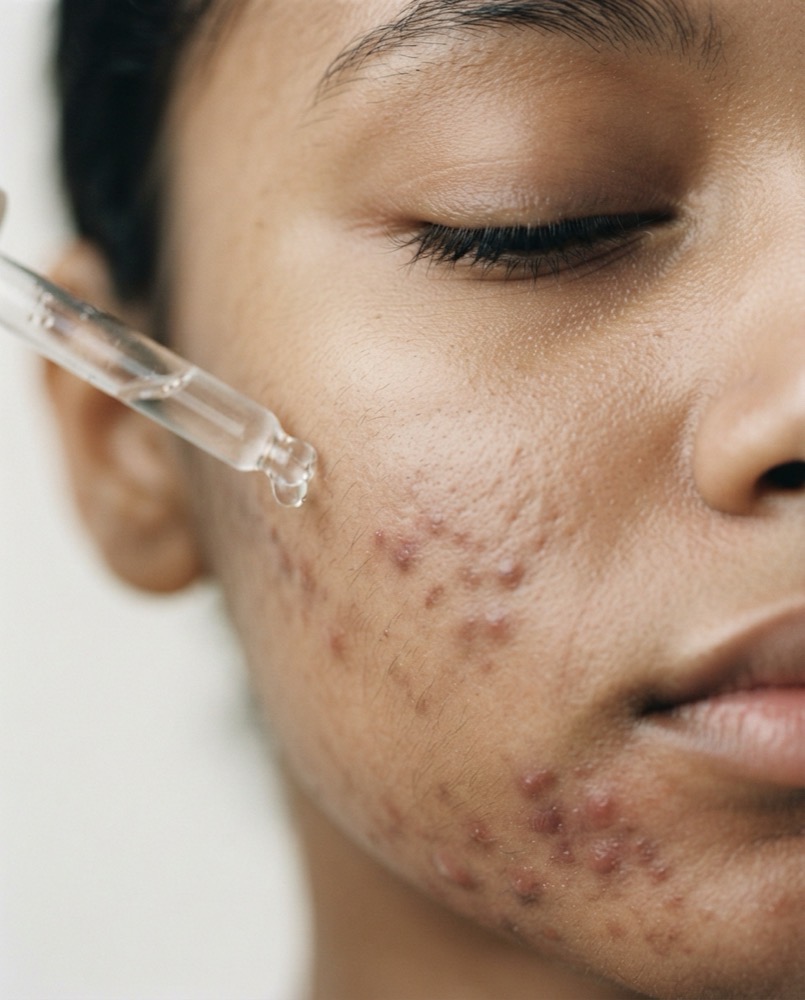
Cystic acne is the most severe form of inflammatory acne. Instead of surface pimples, it produces deep, tender nodules and fluid-filled cysts that sit under the skin, often without ever coming to a head.
It happens when a blocked follicle ruptures deep in the dermis and spills sebum, keratin and bacteria into surrounding tissue, triggering a strong immune inflammatory response. Because the damage is deep, cystic acne is the type most likely to scar.
What causes cystic acne?
The same four factors behind all acne, amplified: excess sebum, abnormal shedding inside the follicle, overgrowth of Cutibacterium acnes, and inflammation. Androgens drive sebum production, which is why cystic acne often tracks with hormonal cycles, PCOS or puberty.
Genetics strongly influence severity, and stress, high-glycaemic diets, occlusive products and picking at lesions all make it worse. Squeezing a cyst pushes the contents deeper and reliably increases scarring.
What ingredients are best for cystic acne?
Cystic acne genuinely warrants a dermatologist – oral treatment is often needed. Alongside that, topical retinoids are the most useful over-the-counter active, because they work on the plug before it ruptures.
Benzoyl peroxide reduces bacterial load, azelaic acid calms inflammation and post-acne marks, and niacinamide helps redness without irritation. Keep the rest of the routine gentle and barrier-focused – harsh scrubs and drying alcohol make deep lesions angrier. Take our Skin Quiz.