What is activated charcoal in skincare?
Activated charcoal is carbon – usually from coconut shells, bamboo or wood – that has been heated and treated to riddle it with microscopic pores. That processing gives a single gram an enormous internal surface area, which is what makes it such an effective adsorbent.
It binds molecules to its surface rather than absorbing them into itself. In medicine this is genuinely powerful: activated charcoal is given orally in poisoning cases precisely because it traps toxins so efficiently.
What skin concerns does activated charcoal treat?
On skin the claims outrun the evidence. It sits on the surface and can lift some oil and surface grime, which suits oily and congested skin, and it gives cleansers and masks their visual appeal.
What it does not do is draw impurities out of pores or detoxify skin – charcoal cannot reach inside a follicle, and skin does not hold toxins that need extracting. Peel-off charcoal masks are worth avoiding outright: they remove vellus hair and surface skin along with the plug, and irritate more than they clear.
What ingredients are best paired with activated charcoal?
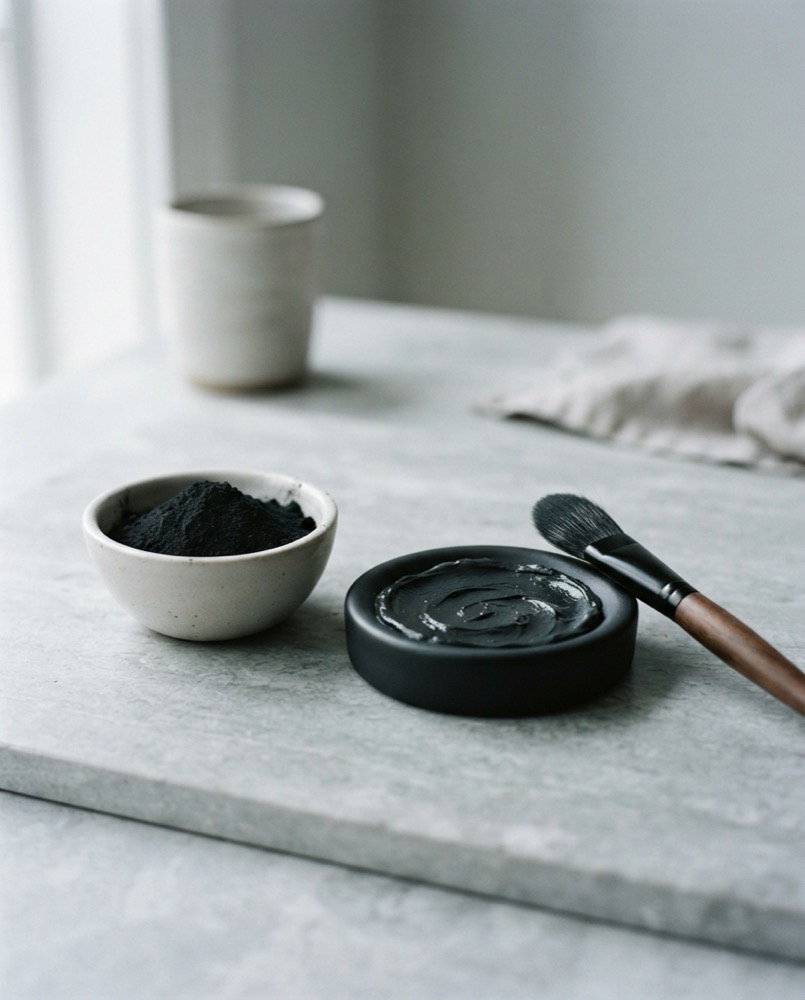
In a wash-off mask it works best alongside clay – kaolin or bentonite – which genuinely absorbs sebum, plus soothing ingredients like colloidal oatmeal or aloe to offset the dryness.
For the results people buy charcoal for, salicylic acid and niacinamide do far more: one clears inside the pore, the other regulates oil at source. Treat charcoal as a pleasant weekly cleanse rather than a treatment. Take our Skin Quiz.
What are sun spots?
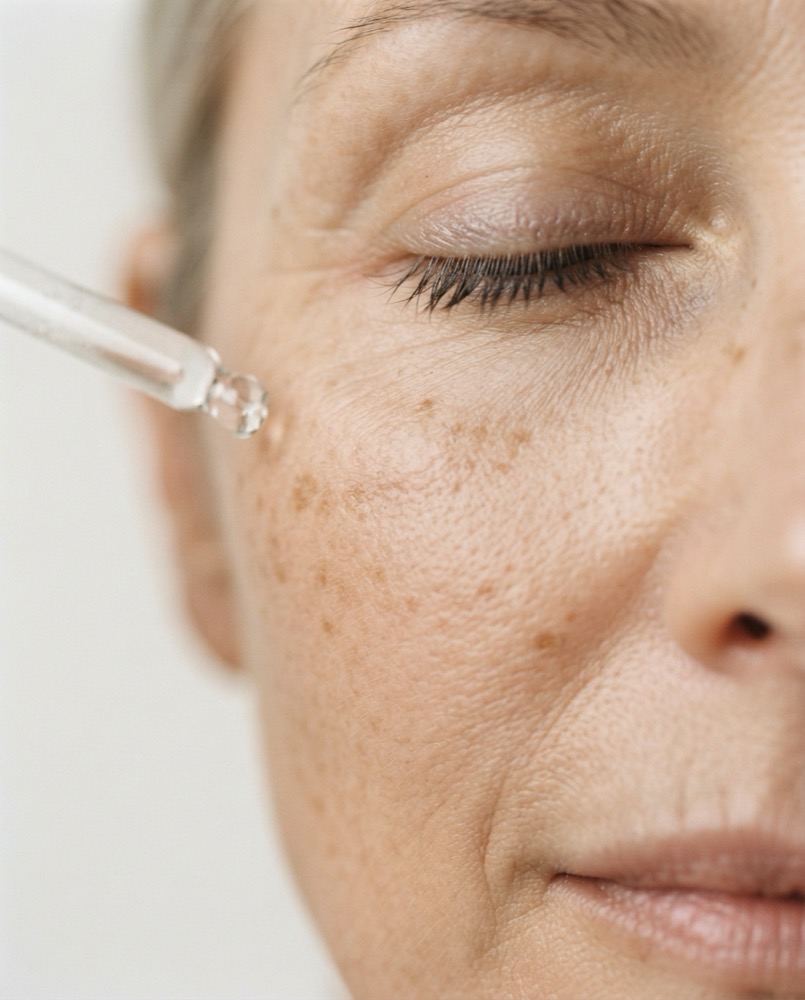
Sun spots are flat patches of concentrated pigment that form where skin has taken the most ultraviolet exposure – cheeks, nose, forehead, hands, shoulders and chest. Dermatologists call them solar lentigines; they are the same thing as age spots.
They are harmless, but they are a visible marker of accumulated photodamage, and they usually arrive alongside other signs of it: fine lines, loss of firmness and an uneven overall tone.
What causes sun spots?
UV radiation prompts melanocytes to produce extra melanin as a defence. With repeated exposure that response becomes localised and fixed, leaving discrete patches instead of an even tan that fades.
Tanning beds, sunburns in childhood, fair skin and outdoor time without protection all increase the count. Incidental exposure – driving, walking, sitting near a window – adds up more than most people expect.
What ingredients are best for sun spots?
Retinoids to accelerate turnover, vitamin C to protect and brighten, and pigment inhibitors such as alpha arbutin, kojic acid, azelaic acid, tranexamic acid and liquorice root are the core toolkit.
Gentle AHAs help shift surface pigment, and niacinamide slows the transfer of melanin into skin cells. None of it holds without daily broad-spectrum SPF and reapplication. Take our Skin Quiz.