

What is activated charcoal in skincare?
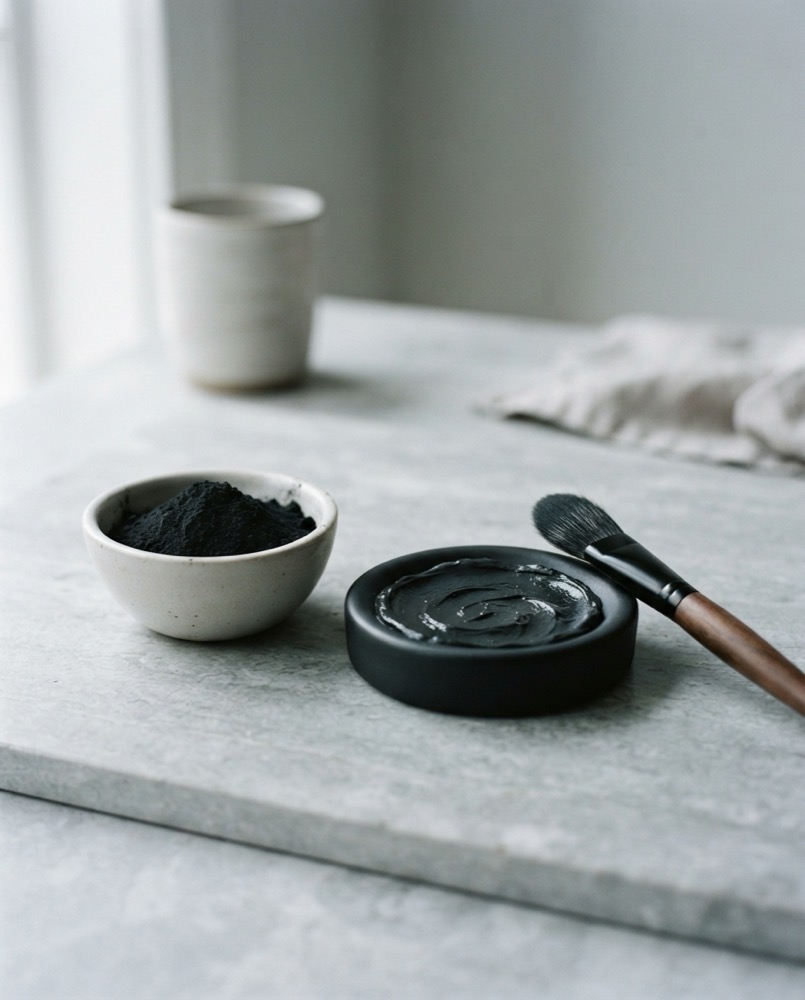
Activated charcoal is carbon – usually from coconut shells, bamboo or wood – that has been heated and treated to riddle it with microscopic pores. That processing gives a single gram an enormous internal surface area, which is what makes it such an effective adsorbent.
It binds molecules to its surface rather than absorbing them into itself. In medicine this is genuinely powerful: activated charcoal is given orally in poisoning cases precisely because it traps toxins so efficiently.
What skin concerns does activated charcoal treat?
On skin the claims outrun the evidence. It sits on the surface and can lift some oil and surface grime, which suits oily and congested skin, and it gives cleansers and masks their visual appeal.
What it does not do is draw impurities out of pores or detoxify skin – charcoal cannot reach inside a follicle, and skin does not hold toxins that need extracting. Peel-off charcoal masks are worth avoiding outright: they remove vellus hair and surface skin along with the plug, and irritate more than they clear.
What ingredients are best paired with activated charcoal?
In a wash-off mask it works best alongside clay – kaolin or bentonite – which genuinely absorbs sebum, plus soothing ingredients like colloidal oatmeal or aloe to offset the dryness.
For the results people buy charcoal for, salicylic acid and niacinamide do far more: one clears inside the pore, the other regulates oil at source. Treat charcoal as a pleasant weekly cleanse rather than a treatment. Take our Skin Quiz.
What is rosacea?
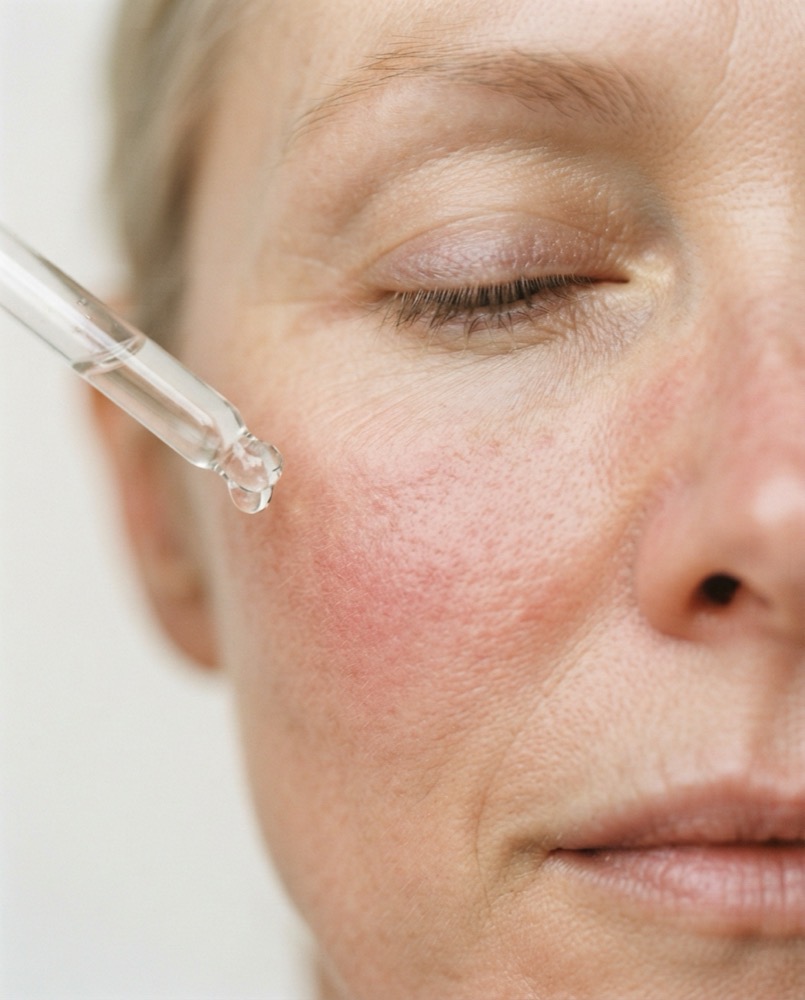
Rosacea is a chronic inflammatory skin condition that affects the central face – cheeks, nose, chin and forehead. It presents as persistent redness, visible broken capillaries, flushing that comes and goes, and in some subtypes acne-like papules and pustules.
Unlike acne, rosacea involves no comedones. It is driven by a combination of vascular hyper-reactivity, neurogenic inflammation and an overactive innate immune response, often with an impaired skin barrier alongside.
What causes rosacea?
There is no single cause. Genetic predisposition, an exaggerated immune response involving cathelicidin, overgrowth of Demodex mites, and dysfunction of the facial blood vessels all appear to contribute.
Flares are triggered by heat, sun exposure, alcohol, spicy food, hot drinks, exercise, stress, wind and cold, and by harsh skincare. Identifying and avoiding your own trigger set does as much as any product.
What ingredients are best for rosacea?
Azelaic acid and niacinamide are the standout actives – both reduce redness and inflammation without provoking the barrier. Sulphur, green tea extract, liquorice root and centella asiatica also calm reactive skin.
Build everything else around barrier repair: ceramides, glycerin, squalane and panthenol, with a gentle non-foaming cleanser and a mineral SPF every day. Avoid alcohol-heavy toners, fragrance, menthol, physical scrubs and high-strength acids. Take our Skin Quiz to build a routine your skin will tolerate.