

What is activated charcoal in skincare?
Activated charcoal is carbon – usually from coconut shells, bamboo or wood – that has been heated and treated to riddle it with microscopic pores. That processing gives a single gram an enormous internal surface area, which is what makes it such an effective adsorbent.
It binds molecules to its surface rather than absorbing them into itself. In medicine this is genuinely powerful: activated charcoal is given orally in poisoning cases precisely because it traps toxins so efficiently.
What skin concerns does activated charcoal treat?
On skin the claims outrun the evidence. It sits on the surface and can lift some oil and surface grime, which suits oily and congested skin, and it gives cleansers and masks their visual appeal.
What it does not do is draw impurities out of pores or detoxify skin – charcoal cannot reach inside a follicle, and skin does not hold toxins that need extracting. Peel-off charcoal masks are worth avoiding outright: they remove vellus hair and surface skin along with the plug, and irritate more than they clear.
What ingredients are best paired with activated charcoal?
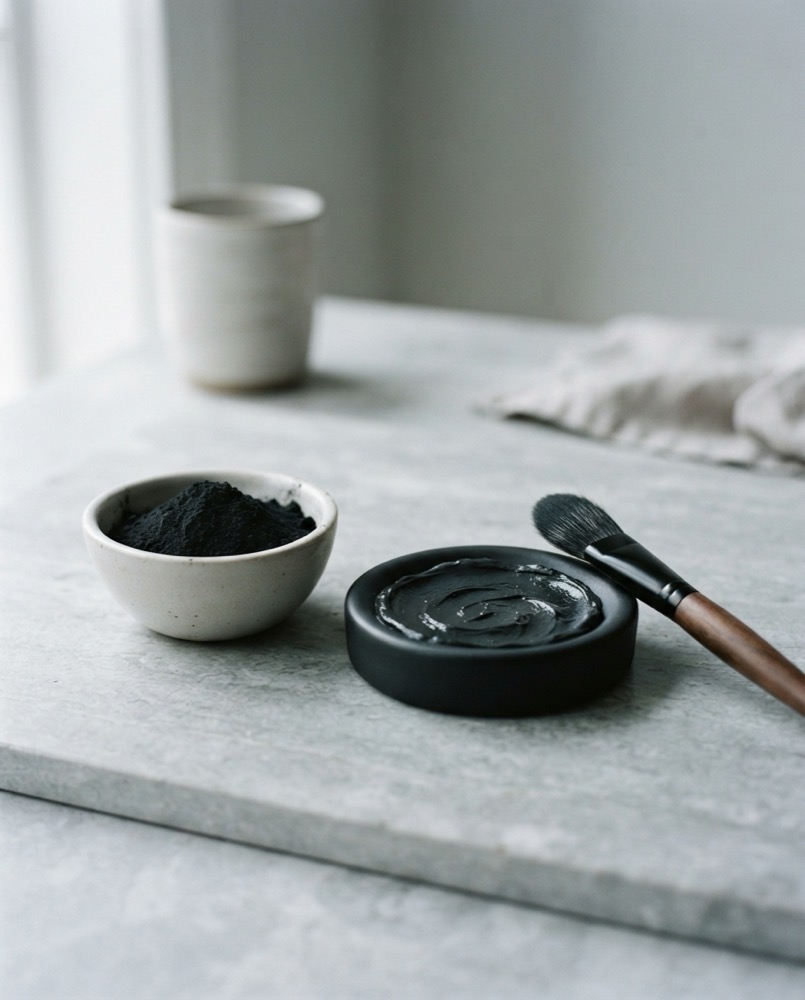
In a wash-off mask it works best alongside clay – kaolin or bentonite – which genuinely absorbs sebum, plus soothing ingredients like colloidal oatmeal or aloe to offset the dryness.
For the results people buy charcoal for, salicylic acid and niacinamide do far more: one clears inside the pore, the other regulates oil at source. Treat charcoal as a pleasant weekly cleanse rather than a treatment. Take our Skin Quiz.
What are dark spots?
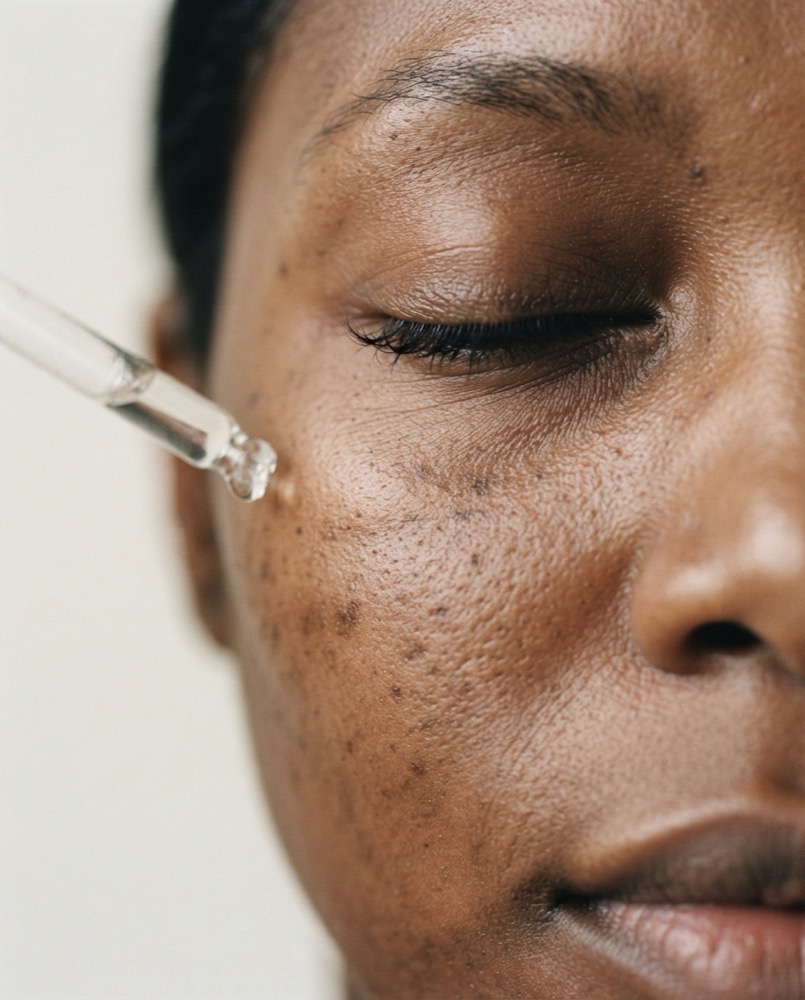
Dark spots are localised patches where the skin has produced more melanin than the surrounding area. The umbrella term covers sun spots, post-acne marks, melasma patches and freckles – different causes, same visible result.
They are flat rather than raised, vary from light tan to deep brown, and are most noticeable on the face, hands and chest. In deeper skin tones they tend to be darker and to last considerably longer.
What causes dark spots?
Two mechanisms dominate. Ultraviolet exposure triggers protective melanin production, and inflammation – from acne, ingrown hairs, eczema, friction, burns or harsh treatments – leaves post-inflammatory hyperpigmentation behind as it heals.
Hormonal change, some medications and heat add to it. Picking at spots is one of the most avoidable causes: the extra inflammation reliably makes the mark darker and longer-lived than the original blemish.
What ingredients are best for dark spots?
Vitamin C, niacinamide and azelaic acid are the everyday workhorses. For stubborn pigment, alpha arbutin, tranexamic acid, kojic acid and liquorice root extract interrupt melanin production directly.
Retinoids and gentle AHAs clear pigmented cells faster from the surface. Give any routine twelve weeks before judging it, and wear broad-spectrum SPF daily or the spots will simply redarken. Take our Skin Quiz.