

What is activated charcoal in skincare?
Activated charcoal is carbon – usually from coconut shells, bamboo or wood – that has been heated and treated to riddle it with microscopic pores. That processing gives a single gram an enormous internal surface area, which is what makes it such an effective adsorbent.
It binds molecules to its surface rather than absorbing them into itself. In medicine this is genuinely powerful: activated charcoal is given orally in poisoning cases precisely because it traps toxins so efficiently.
What skin concerns does activated charcoal treat?
On skin the claims outrun the evidence. It sits on the surface and can lift some oil and surface grime, which suits oily and congested skin, and it gives cleansers and masks their visual appeal.
What it does not do is draw impurities out of pores or detoxify skin – charcoal cannot reach inside a follicle, and skin does not hold toxins that need extracting. Peel-off charcoal masks are worth avoiding outright: they remove vellus hair and surface skin along with the plug, and irritate more than they clear.
What ingredients are best paired with activated charcoal?
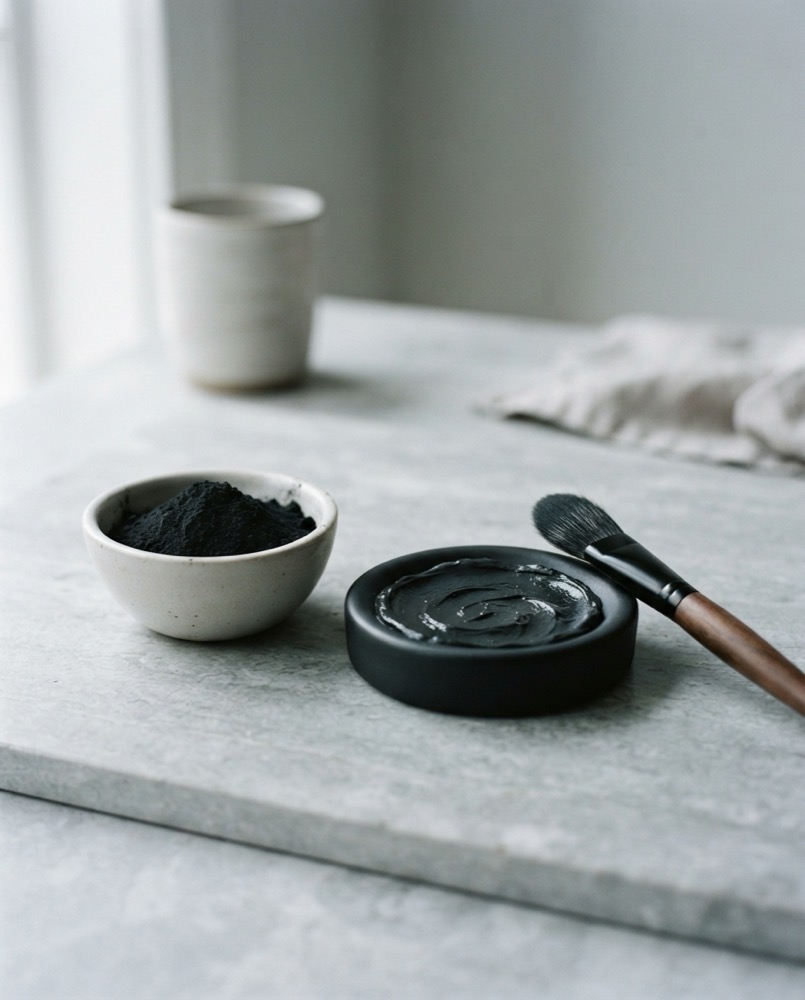
In a wash-off mask it works best alongside clay – kaolin or bentonite – which genuinely absorbs sebum, plus soothing ingredients like colloidal oatmeal or aloe to offset the dryness.
For the results people buy charcoal for, salicylic acid and niacinamide do far more: one clears inside the pore, the other regulates oil at source. Treat charcoal as a pleasant weekly cleanse rather than a treatment. Take our Skin Quiz.
What are clogged pores?
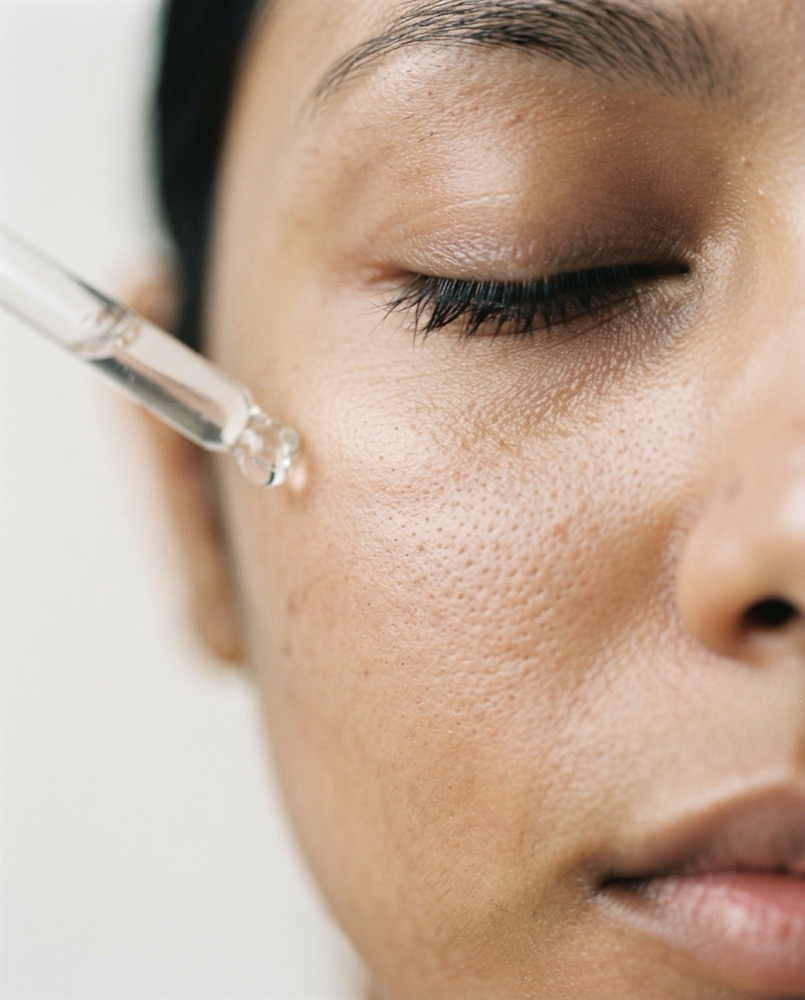
A clogged pore is a hair follicle blocked by a mix of sebum, dead skin cells and debris. Left open to the air the plug oxidises and darkens into a blackhead; sealed over by skin it becomes a whitehead or closed comedone.
Clogged pores are the starting point of nearly all acne – the microcomedone forms first, and inflammation follows only if bacteria and immune response get involved.
What causes clogged pores?
Excess sebum and abnormal keratinisation are the two mechanics. When the follicle lining sheds cells faster than they can clear, they bind with oil and form a plug.
Comedogenic products (heavy oils, some silicones and waxes), thick makeup worn for long stretches, humidity, sweat left on the skin, hormonal shifts and insufficient cleansing all contribute. So does over-cleansing, which damages the barrier and drives oil production up.
What ingredients are best for clogged pores?
Salicylic acid is the first choice because it is oil-soluble and works inside the pore rather than just on the surface. Glycolic and lactic acid clear the surface layer, and clay masks absorb excess oil weekly.
Retinoids are the most effective long-term fix, because they change how the follicle sheds in the first place. Add niacinamide to regulate sebum and keep the barrier intact, and switch to non-comedogenic, lightweight hydrators. Take our Skin Quiz to find products that will not re-clog you.